27844 results found
NEP च्या पत्र आणि भावनानुसार LITE ची राष्ट्रव्यापी अंमलबजावणी योग्य आणि निर्दोष तयारीशिवाय पूर्ण होऊ शकत नाही.
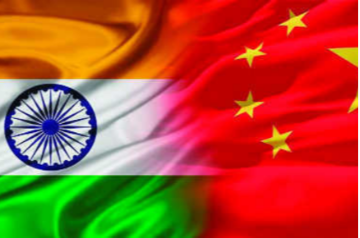
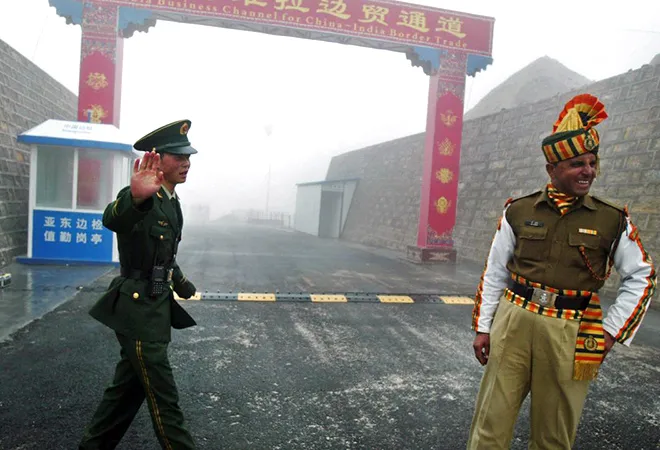
Any future limited conflict between India and the People’s Republic of China (PRC) will primarily be fought in a high-altitude environment along parts of the 4,000-km-long Line of Actual Control (LAC). With the Indian Army likely to be constrained by the terrain and numerical parity to fight a largely positional battle with limited mobility and offensive options, air power offers several asymmetric opportunities to create operational advantages
India and the US face a growing anti-access challenge. By working together to mitigate A2/AD threats, both the countries may come to a better mutual understanding on major security issues in Asia.
Making the NSA the chairman of the Strategic Policy Group of the National Security Council could be part of an effort to paper over the real problems relating to the dysfunctional defence system.
The al Qaeda video showing its current head Ayman al-Zawahari declaring a renewed bout of jihad in the Indian subcontinent has triggered widespread alarm in the region, especially in India. The alarm over a video may seem exaggerated but there are enough reasons for India to worry.
The great power contestation of the past one year has been characterised by the economic woes of many countries of the Global South, a global leadership vacuum and the resurrection of hard power aided by technological shifts in warfare
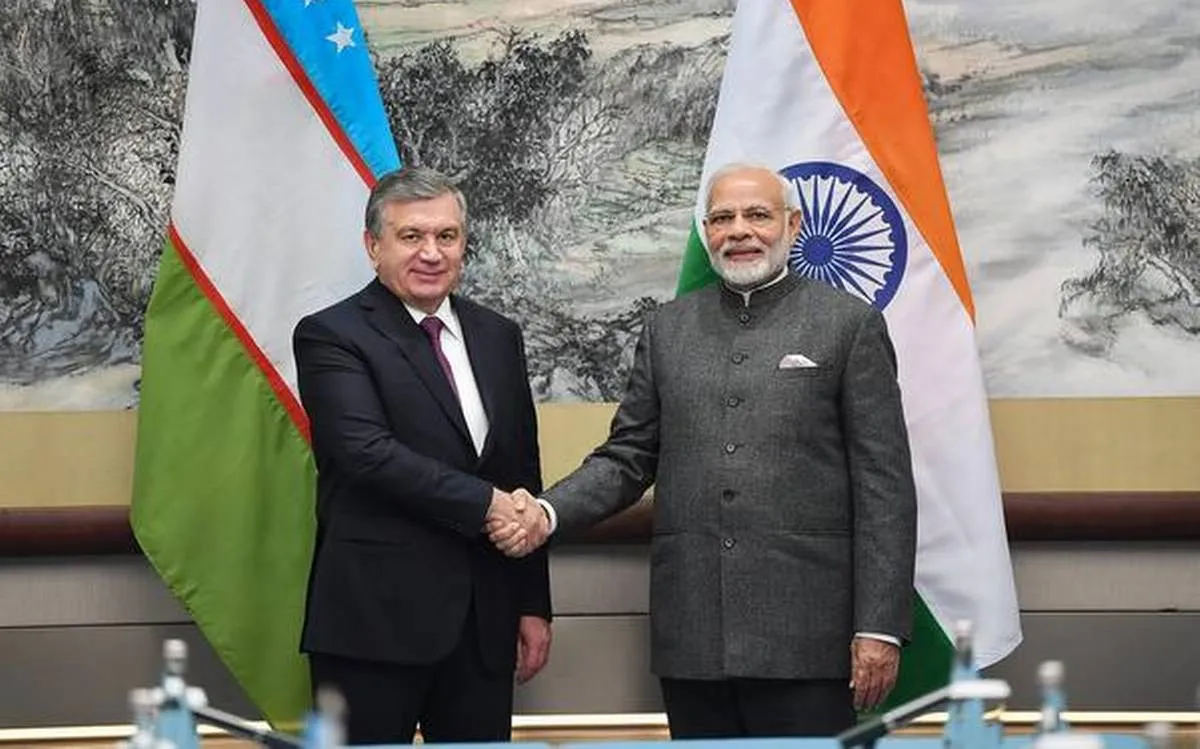
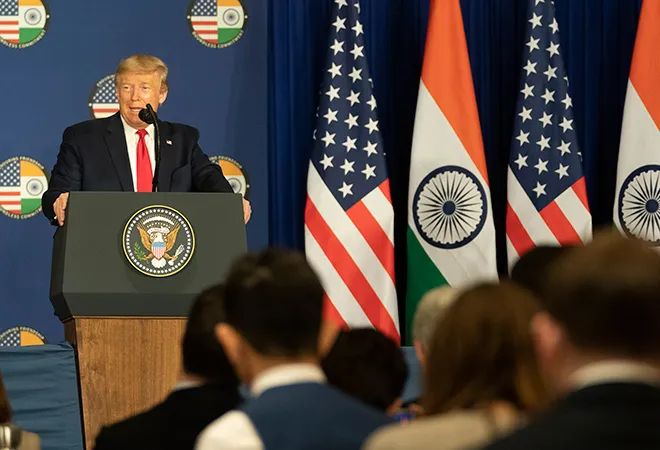
Modi and Trump were talking to different audiences
At first glance, the July 18 India-US joint statement promises a giant leap forward in bilateral relations and a paradigm shift in the US policy towards India. The agreement undoubtedly is a testimony to the growing trust and meaningful strategic partnership between New Delhi and Washington.
US lawmakers have sought to make several commendable moves but their plan still comes up short
India is assured of an ally in the United States on the Kashmir issue; the US — under the tenets of Westphalian sovereignty — has chosen to back India unequivocally. Yet it was not always so. There was a time soon after India’s Independence that the US government, through the State Department, was actively consorting with National Conference leader and Prime Minister of Jammu & Kashmir Sheikh Abdullah to look for ways by which to secure
It has historically been assumed that while the nature of war remains the same—i.e., violence inflicted on the adversary to bend them to one’s will—the character of warfare changes with technology, organisation, politics and culture. This notion has changed. Over the past decade, the nature of war has also changed, with increased use of non-contact and non-kinetic modes of warfare expanding the battlefield spatially and temporally.
We will see the rise of a New World Order driven by national interest, reliability of partners, and of course, economic factors. India has to use a “Gated Globalisation” framework to negotiate this change.
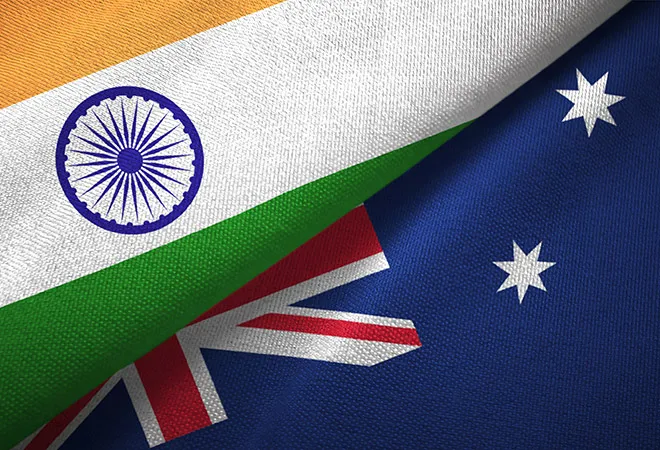
New Delhi and Canberra are likely to conclude the much-awaited Mutual Logistics Sharing Pact — as well as other agreements covering science and technology and public administration.
India’s imperatives in the East and West are not the same. But, both are important.
We can turn blue in the face discussing the importance of the rule of law but more than its imposition, isn’t it the responsibility of every citizen to follow the law, both in letter and spirit?
India’s desire to reconfigure the global balance of power is predicated on its ability to become an indispensable element in the global economic order. Thus, it is not surprising that the new foreign trade policy seems to shed the reticence of the past.