-
CENTRES
Progammes & Centres
Location
36 results found
Despite regulatory efforts, tobacco consumption in India remains a major health and economic challenge, thus requiring stronger policies, taxation, an
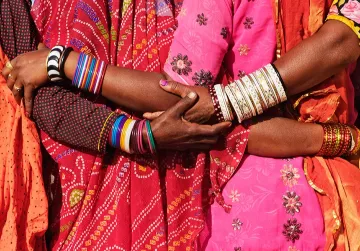
पिछले कुछ साल में लैंगिक समानता की दिशा में काफी कामयाबी �
समानतेच्या दिशेने लक्षणीय प्रगती करत असतानाही, आपल्या द�
Despite significant strides towards equality, traditional perceptions of gender roles still influence many aspects of life, from educational opportuni
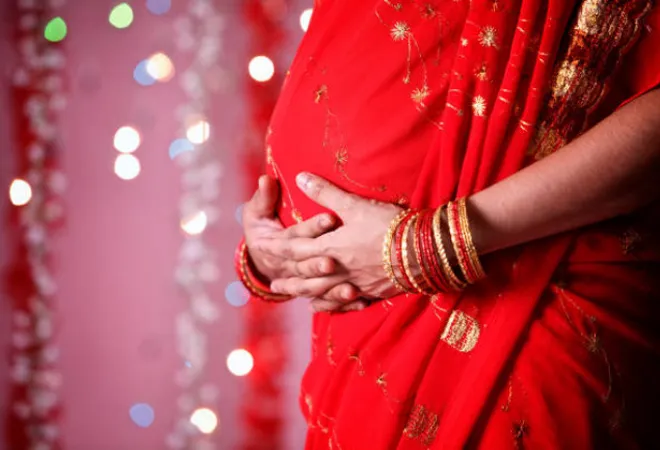
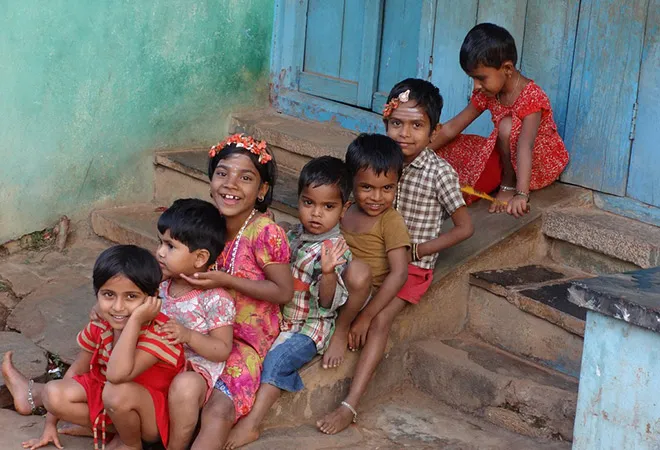
Investing in nutrition over the entire lifespan to overcome the challenge of intergenerational cycle of undernutrition should be the end goal
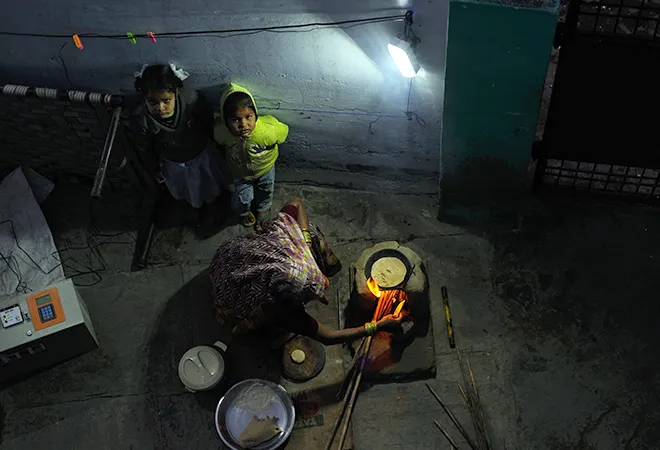
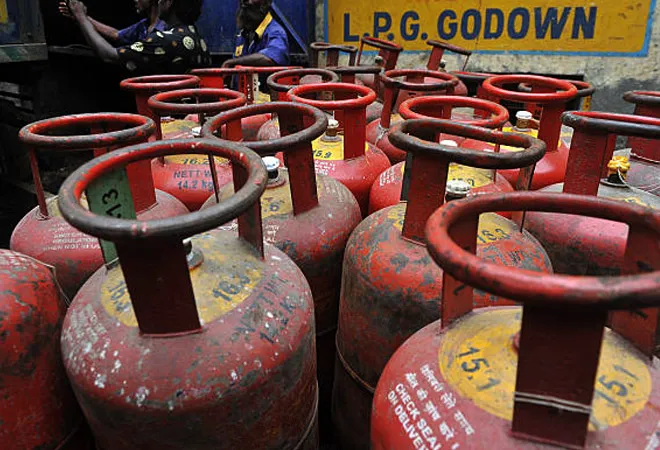
अभी भी लगभग आधे भारतीय घरों में खाना बनाने के लिए जैव ईंधन
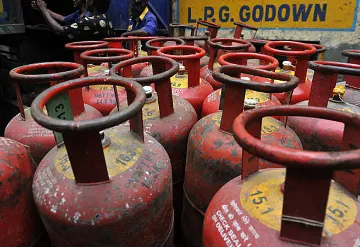
Nearly half of Indian households still use biomass for cooking. A credible transition to LPG or equivalent cooking fuels will come only when household
A more holistic approach needs to be adopted for India to overcome its malnutrition challenge.
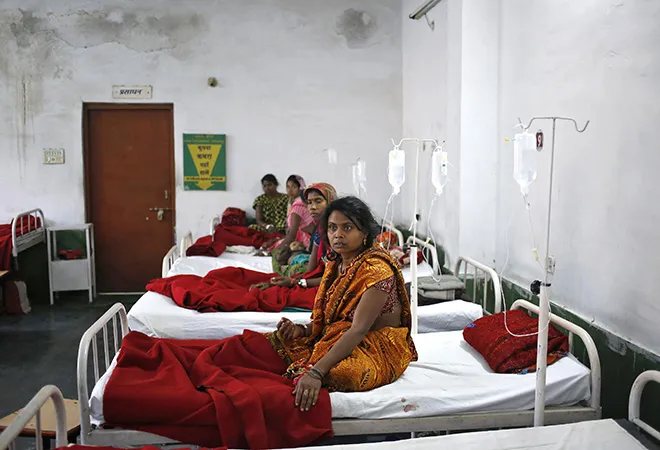
While the focus on mental health is welcome, concentrating capacity to only a few institutions will affect the quantity and quality of mental healthca
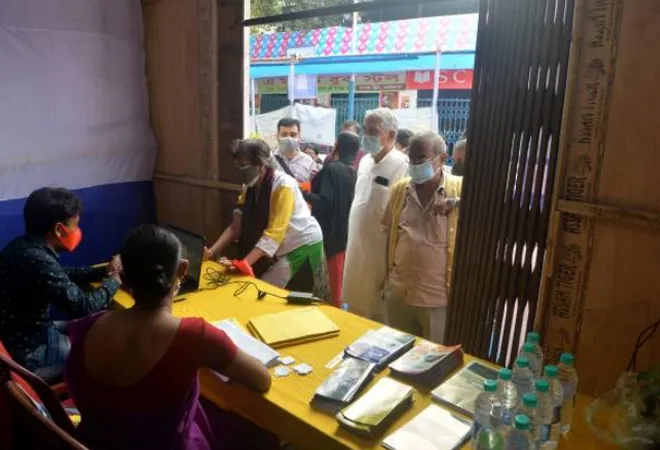
With new variants surfacing, India should take in account its elderly population and undertake suitable policy changes to ensure their survival
पीढ़ियों तक चलने वाला अल्प-पोषण का कुचक्र निर्धनता, सामा�
Successful stories of change across India suggest investment in girls and women and heightened delivery of health and nutrition interventions in bring
India needs to enhance its programme effectiveness and reach. It calls for proactive measures and scaling up of innovations required to address malnut
Himachal Pradesh’s health and nutrition challenges are compounded by severe human resource constraints in the public sector. The earlier gains of th
Immunisation coverage under national programmes is an important indicator to track advancement towards child health-related SDGs.
Across the globe, more than 730 million women report ever having experienced some form of gender-based violence; those in low- and lower-middle-income countries are disproportionately affected. In the past two years, the COVID-19 pandemic has only increased the incidence of violence suffered by women in the hands of their intimate partners, owing to heightened stresses of loss of livelihood, disruption of social and protective networks, a
Timely nutritional interventions of breastfeeding, age-appropriate complementary feeding, full immunisation and Vitamin A supplementation have proven effective in improving outcomes in children.
India has a history of neglect in breaking the intergenerational cycle of malnutrition. About one in five women (18.7 per cent) of reproductive age (15-49 years) in India are thin, with a body mass index (BMI) of less than 18.5 kilograms per square metre.
Wasting is easily reversible once the impact of infectious disease recedes and health status improve. Severe wasting, however, requires concerted medical attention along with appropriate nutritional intake.
Effective monitoring and implementation of programmes are required for the country to achieve its goal by 2022
World Health Day: Between 2008 and 2019, only 3 per cent of all 51.6 million sterilisations done in India were vasectomies
While health outcomes have greatly improved, tribal communities still lag behind
The number of malnourished children in India has increased significantly between the time of the National Family Health Survey (NFHS)-4 (2015-16) and the fifth round (2019-2020), and the progress in the first half of the decade has been reversed. This paper tells the story of the Northeast region of India, where malnutrition is worse than the country average. It examines the policy landscape in the region, evaluates current programmes and initiat
In December 2020, the government released the results of the National Family Health Survey (NFHS) 5 for 2019-20, covering 22 states and Union Territories (UTs). Contrary to expectations, NFHS5 found an increase in the percentage of stunted children in 13 states and UTs, compared to the results of NFHS4. This paper analyses such reversal of the three-decadal progress that India had previously made in reducing stunting in children. It analy
States and UTs’ governance and information sub-domain scores and rankings differ considerably from their scores and rankings on the overall health index.
जागतिक आरोग्य दिन: 2008 आणि 2019 दरम्यान 5.16 कोटी नसबंदी उपाययोजनांमध्ये केवळ 3 टक्के पुरुषांनी स्वतःवर नसबंदीची शस्त्रक्रिया करून घेतली .
जवळपास निम्मी भारतीय कुटुंबे अजूनही स्वयंपाकासाठी बायोमास वापरतात. एलपीजी किंवा समतुल्य स्वयंपाकाच्या इंधनावर विश्वासार्ह संक्रमण तेव्हाच घडेल जेव्हा घरगुती उत्पन्�
कुपोषणाच्या आंतरपिढी चक्राच्या आव्हानावर मात करण्यासाठी संपूर्ण आयुष्यभर पोषणामध्ये गुंतवणूक करणे हे अंतिम ध्येय असले पाहिजे.
कुपोषणाच्या आव्हानावर मात करण्यासाठी भारतासाठी अधिक समग्र दृष्टीकोन स्वीकारण्याची गरज आहे.