-
CENTRES
Progammes & Centres
Location
16775 results found

Focusing on financing sustainable development, in India and elsewhere, ORF organised a conference that explored the future of global financial architecture for development and highlighted the difference between financing and implementation.
As the world confronts multiple challenges which are intricately connected, our path for development stands at a crucial juncture. In the context of the embroiling polycrisis, progress on the sustainable development goals (SDGs) has been steady but fragile with major and persistent challenges. Financing for Agenda 2030 has emerged as a major bottleneck with several developing economies, especially the least developed countries (LDCs), low-income
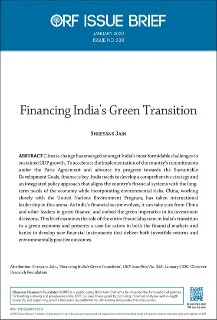
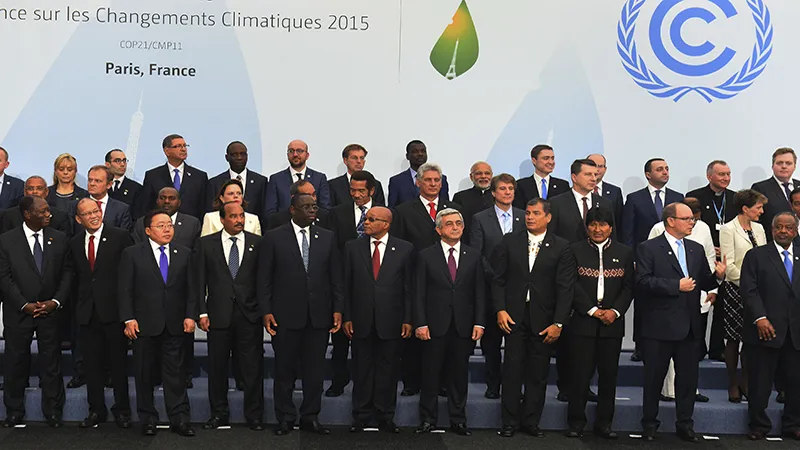
Climate change has emerged amongst India’s most formidable challenges to sustained GDP growth. To accelerate the implementation of the country’s commitments under the Paris Agreement and advance its progress towards the Sustainable Development Goals, finance is key. India needs to develop a comprehensive strategy and an integrated policy approach that aligns the country’s financial systems with the long-term needs of the economy while incor
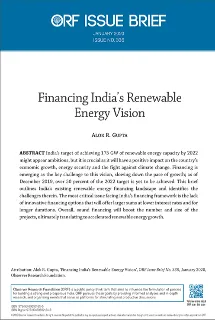
India’s target of achieving 175 GW of renewable energy capacity by 2022 might appear ambitious, but it is crucial as it will have a positive impact on the country’s economic growth, energy security and the fight against climate change. Financing is emerging as the key challenge to this vision, slowing down the pace of growth; as of December 2019, over 50 percent of the 2022 target is yet to be achieved. This brief outlines India’s existing
The BRICS countries (Brazil, Russia, India, China, and South Africa) have all declared their commitment to climate action and the implementation of the Agenda 2030 Sustainable Development Goals. This brief makes a case for BRICS, as a forum, to build a strategy for financing regenerative agriculture; key should be the creation of a joint fund. If implemented correctly, the brief argues, such a strategy of giving back to the land, instead of merel
Observer Research Foundation, in collaboration with BRIDGE TO INDIA and Solar Energy Society of India, organized a round-table discussion on "Financing the Solar Projects under JNNSM" on 9th Aug, 2011.
The existence of an embedded financial network of militant organisations in Bangladesh will seriously undermine the global effort to neutralise global terrorist networks entrenched in the region.
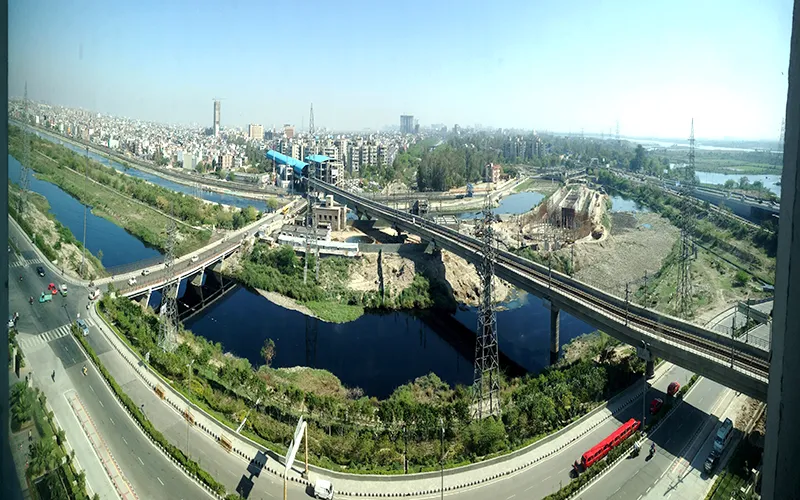
Financing of infrastructure in India will remain a big problem despite the fact that the government has issued infrastructure bonds with tax incentives. Finding external finance is thus very important because the amounts required would be in billions of dollars.

India and Nepal have a long history of bilateral ties founded on connections of history, culture and religion, but their relationship is also beset by border conflicts. Although the two have managed to maintain their amiable relationship despite these differences, they both would benefit from finding a sustainable resolution. This brief highlights the efforts of both India and Nepal to resolve their border disputes. It recommends crucial
Over three years since the February 2021 coup in Myanmar, the Association of Southeast Asian Nations (ASEAN) has made little progress in helping resolve the crisis despite releasing a ‘Five-Point Consensus’ (5PC) in April 2021. The political crisis that followed the coup poses a challenge for the ASEAN, which must now deliberate on ensuring not only the early implementation of the 5PC but also whether, and how, it should continue to abide by
Accumulated non-performing assets (NPAs) in the Indian banking system, specifically in the public sector banks (PSBs), have adverse effects on credit disbursement. An increasing amount of bad loans have prompted the banks to be extra cautious, which has dried the credit channel. Two components are key in resolving the NPA problem: the immediate task of resolving the current accumulation in the PSBs, and the more important long-term task of ensuri

Aiming to secure their marine resources in the Bay of Bengal, India and Bangladesh settled their maritime boundary in 2014. Despite the delimitation, however, fishers from both countries continue to commit unlawful forays into each other's sovereign waters, leading to the enforcement of punitive measures against those accused or convicted. Such incidents not only jeopardise the fishers’ livelihoods, but repeated occurrences also nettle relation
.png)
This paper analyses the patterns of virtual water trade (VWT) in agricultural products across the globe—VWT is the flow of water embedded in goods and services when they are traded—and the implications for alleviating water scarcity. Virtual water trade has been crucial in ameliorating water scarcity in virtual water-importing nations. At the same time, it has led to per capita water availability declining at a more rapid rate among the net v
As Delhi and Washington try to develop separate, special relationships with Beijing, there is a danger of misreading each other's intentions. Both India and the US want a secure Afghanistan and moderate Pakistan, but their approaches are not always in sync. An honest conversation between Joe Biden and the Indian leaders is critical at this juncture to prevent misperceptions from derailing India-US security cooperation in Asia.
The crucial factor that can help transform India-China bilateral is Modi himself. For the first time, the Chinese will interact with an Indian leader who can be politically strong in safeguarding India's sovereign interests, while at the same time being very welcoming in embracing China economically.

In 2015, the United Nations agreed to end hunger in all forms by 2030. While India has committed itself as a stakeholder in the 2030 agenda for development, its own record in reducing hunger has been less than satisfactory. Latest data from the National Family Health Survey-4 show an improvement in nutritional indicators of children under-five. However, there are huge differences across states and social groups. Nutrition should thus remain high

A dedicated fishing ministry would be able to deal with fishermen's problems holistically. India can thus begin her correctives at home, and without reference to either the neighbourhood seas or the nations that own them.
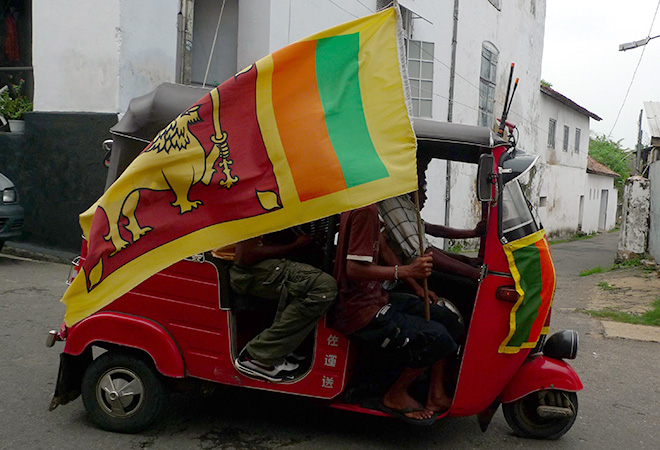
With festivals fast approaching, time may be running out on Tamil Nadu Chief Minister Jayalalithaa's self-set December deadline for her Government to host the third round of talks between fishers' representatives from the State and Sri Lanka.

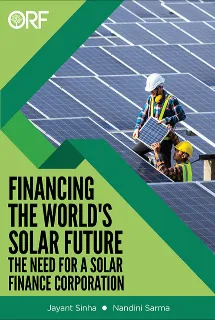
Climate change is the biggest development challenge that would demand sustained, meaningful investments and collective efforts, rather than individual action. The Amazon CEO’s fund could set the foundation for much greater climate action.
President Pervez Musharraf wrested power from Prime Minister Nawaz Sharif in a bloodless coup on October 12, 1999. In the five years since then, Pakistan has found itself increasingly enmeshed in sectarian violence, economic disaster, political collapse and diplomatic isolation.
For Modi, Nawaz Sharif's willingness to show up at the launch of his government is a political bonus. If Modi is luckier than Manmohan Singh and Atal Bihari Vajpayee, he might make some sustainable progress with Pakistan.
The COVID-19 pandemic sparked rapid digitalisation worldwide, with work-from-home interactions, online payments, and online consultations for various services becoming acceptable practices. While this shift in the manner and nature of work brought enormous benefits, crucially in terms of access, it has also increased the kind of cyber security threats that countries face, with vulnerabilities felt particularly in the health and financial sectors.
Now a mobile App for water management? And, the rapidly dropping price of wireless consumer technology such as WiFi and Bluetooth could turn these individual nodes into a data-rich network.
The devastating floods in Pakistan have not only destroyed lives and property across the country but also seriously undermined the civilian government's reputation among the people.
With the SAARC summit only days away, the focus should be as much on re-positioning India, both in the regional and emerging global context, as on terrorism and security. Prime Minister Vajpayee set the mood a fortnight ago by referring to a 'common currency' for, and hydro-power cooperation among member-nations.
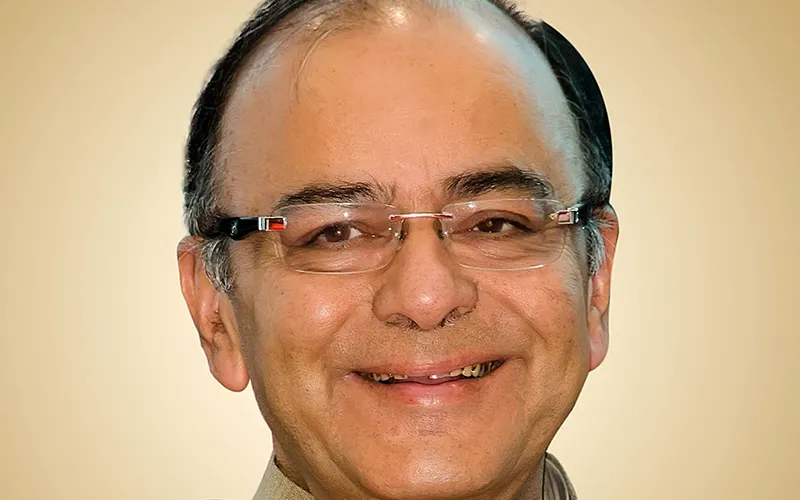
The Union Finance Minister surprised many with his social sector-centric budget. No one expected the Modi government to go for enhancing the MNREGA by Rs 5000 crore or to have a huge kitty of subsidies ($37 billion) aimed at the poor. There seems to be a vision towards giving India a universal social security system for all and especially the poor.
India-Bangladesh relations got a major boost following the meeting between India's External Affairs Minister Sushma Swaraj and Bangladesh's Foreign Minister Abul Hasan Mohammad Ali this week.
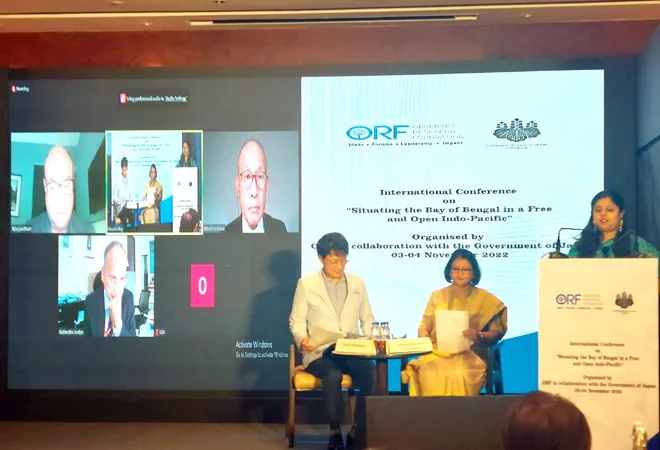
‘Indo-Pacific’ is being used loosely to mean different things to different nations
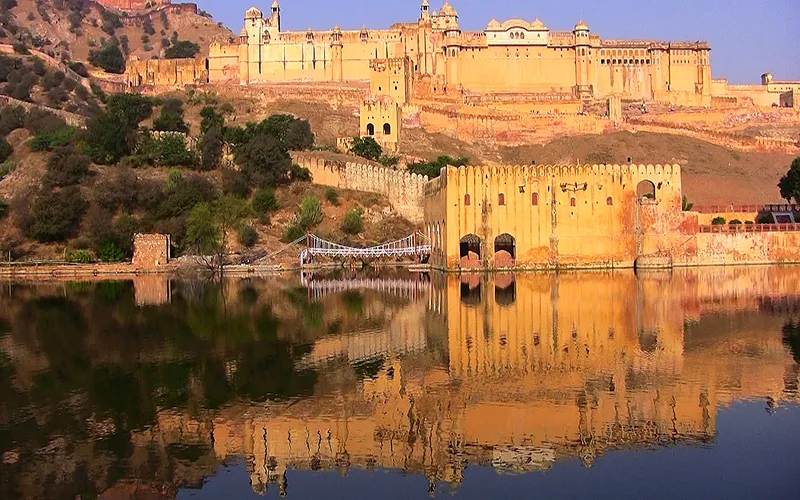
India is now being recognized as the fastest growing country in Asia. Even PM Modi recently said that Indian economy is doing much better now. But India's soft underbelly should not be forgotten -- India has the highest number of malnourished children under- five years of age in the world.
A number of initiatives have been recently undertaken to improve the tourism sector in India. These include the introduction of tourist police at key tourist sites in Delhi and the decision to set up an inter-ministerial group to facilitate better co-ordination between the tourism and civil aviation ministries.
India's smaller neighbours are not as concerned about the reach, if any, of outside powers in the region. In this sense, the neighbourhood?s concerns about India are distinct from India's own concerns.
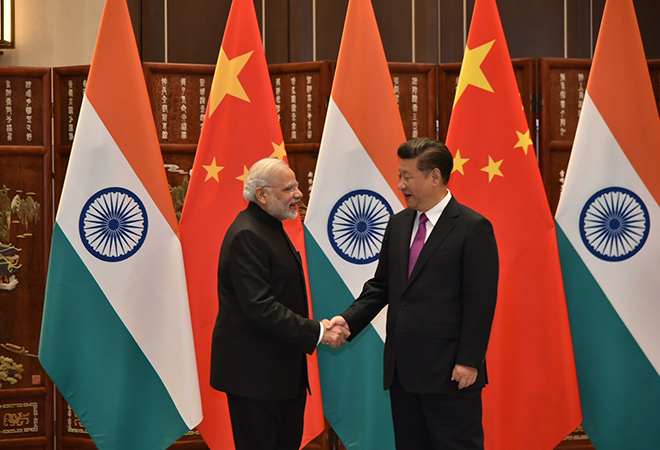
In China’s view, disengagement is a done thing; if New Delhi thinks otherwise, the onus is on it to do what it can.
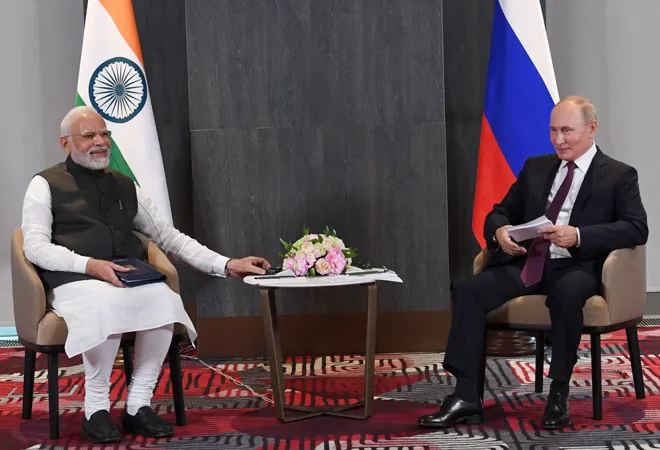
Across the SCO there is conflict at various levels that complicates India’s engagement, from Russia’s invasion of Ukraine to simmering Sino-Indian tensions.
Since September 11, 2001, Pakistan has been widely, and publicly, acclaimed as an ally in the Global War on Terrorism by the United States. Early this year, the Bush Administration presented a Bill titled Targeting Terrorists More Effectively Act of 2005 to the Congress for budgetary approval.
The luxury bus leaves downtown Cam hotel to Qassion mountains for a panoramic view of the world's oldest, continuously inhabited city, Damascus. The picture has to be sketched because outside Syria everyone is counting on the level of chaos we did not see.
Prime Minister Manmohan Singh could not have been more categorical when he said, in his Independence Day speech on August 15, that Pakistan was only making half-hearted attempts to dismantle terrorist infrastructure.
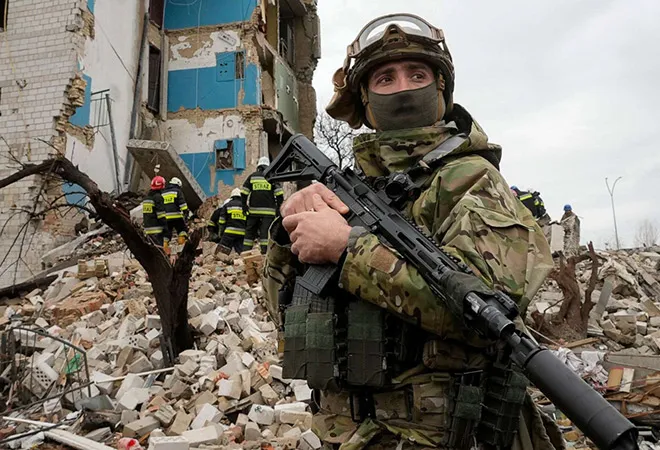
Russia’s invasion of Ukraine has led to a full-fledged international armed conflict, and the Ukrainian president has issued a call to people across the world to join the country’s battle through the International Legion of Territorial Defence (ILTD). At the time of writing, 500 Indians have submitted applications to join the ILTD, and one is already in the force. This brief contextualises the rise of Indians fighting ‘foreign’ war