-
CENTRES
Progammes & Centres
Location
18634 results found
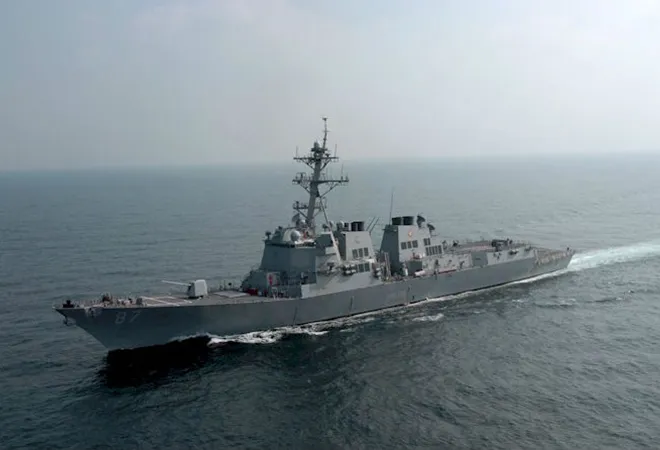
Since 2010, some 250 naval vessels from across a wide spectrum of nations have berthed at Sri Lankan ports. If Indians have to suspect Sri Lanka in the matter of Chinese naval vessels, then they would have to suspect a host of other nations.
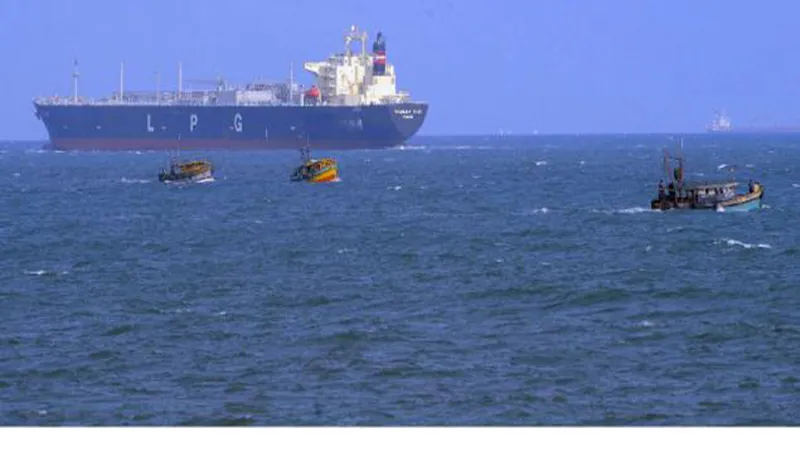
The Centre needs to consider a short-cut into the seas for the most-affected Rameswaram fishers in particular to cut their travel time, diesel storage and the like by 8-10 hours, while going into the deep-seas. It will also be their collective responsibility to motivate, train and equip the southern coastal fishers in deep-sea fishing.
Sri Lanka's Northern Province Tamil Chief Minister C V Wigneswaran seems to be sending contradictory signals to India through his actions. On the one hand, he wants India to play an active role in finding a 'political solution' to the ethnic problem. On the other, he boycotted the India-funded Colombo-Jaffna railway inauguration and earlier President's invitation to be part of the delegation to India.
Indian security agencies will be keeping their fingers crossed as, for the first time in 57 years, passenger buses start plying on April 7,2005, between Srinagar, the capital of Jammu & Kashmir (J) and Muzzafarabad, the capital of what Pakistan calls Azad Kashmir (Free Kashmir) and what we in India call Pakistan-Occupied Kashmir (POK).
Stalin is no longer a bad name in Russia. Russian scholar Sergey Kurginyan says a recent opinion poll suggests that that "80% of the Russian population feel the peo ple were better off during the Soviet period."
This year marks 75 years of India-China diplomatic relations. Despite being the first non-socialist nation to recognize China, the ties have faced ups and downs, mainly due to the boundary dispute, which led to the 1962 war.
The ongoing challenge for the Indian and US governments is to define what exactly the "strategic relationship" is in form and function, in which context a defence relationship will mature.
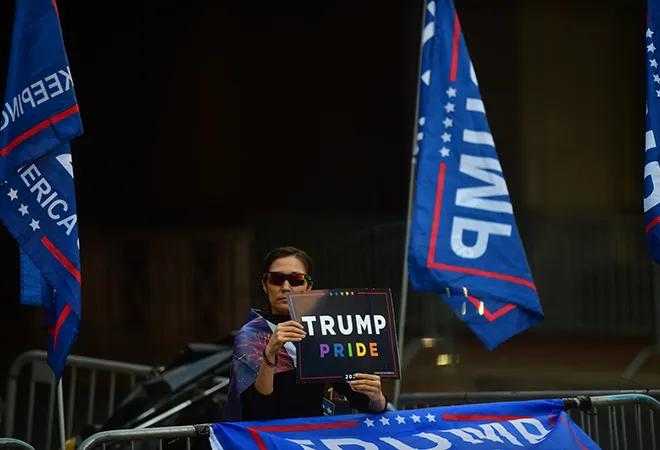
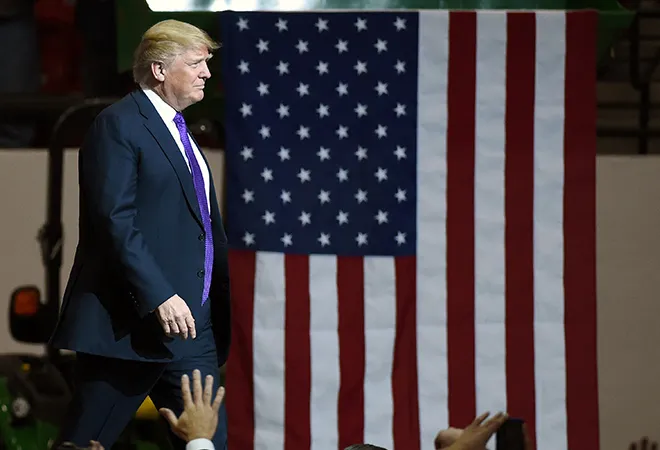
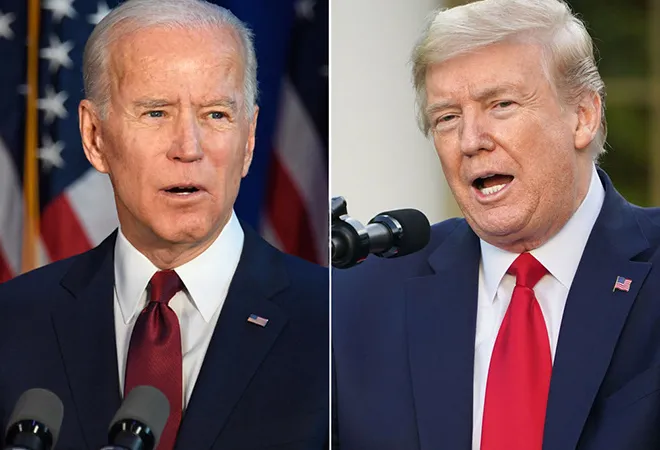
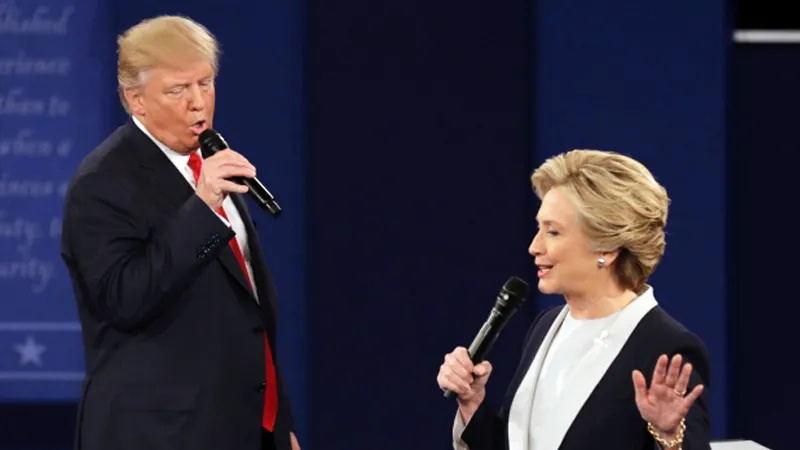
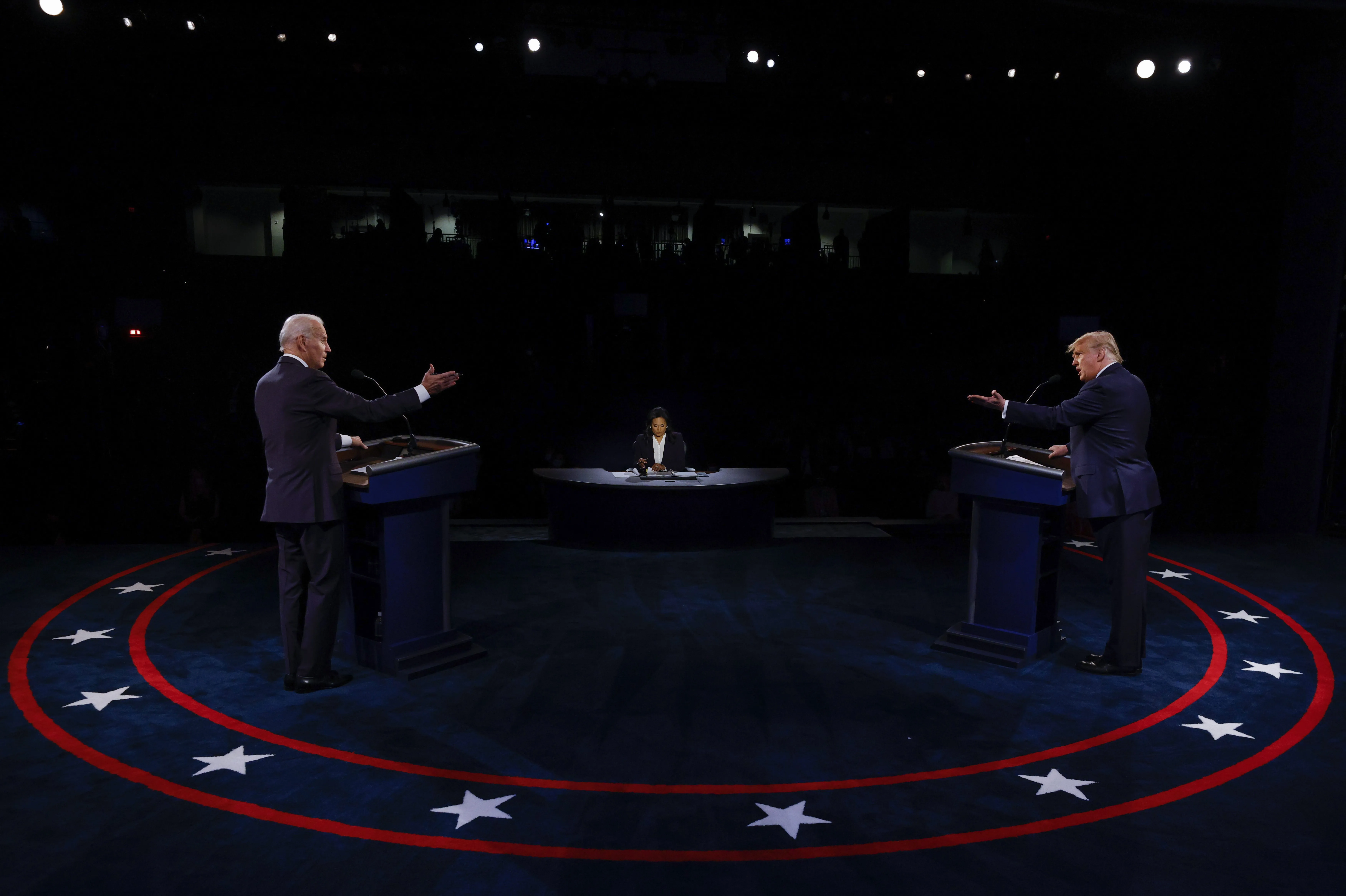
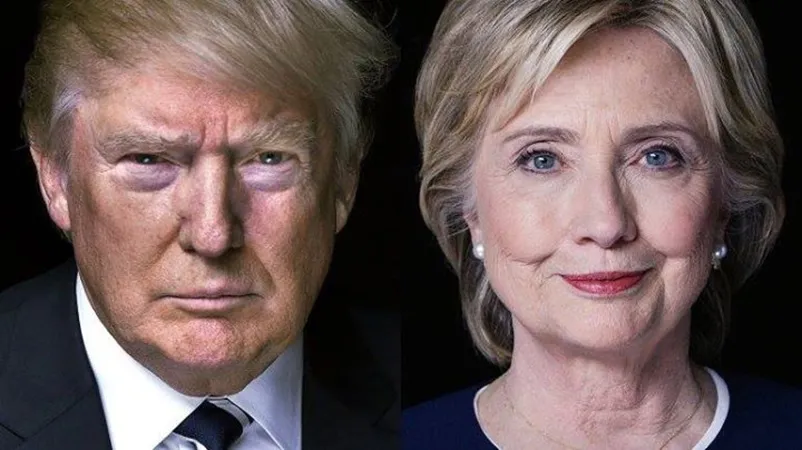
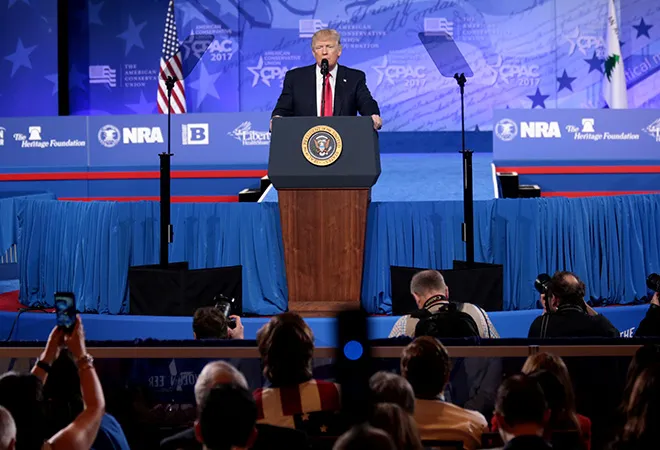
Following the two national conventions held by the Republican Party and the Democratic Party, the race to the White House has gained more steam. It was an opportune time to take the debate on the US Presidential election
Russia has long depended on migrant labour. However, the COVID-19 pandemic, the conflict in Ukraine, and a devaluing Ruble have impacted migrants economically. These developments, coupled with institutional hurdles and rising xenophobia in Russia, have pushed migrant labourers to seek alternate employment destinations. Notably, workers from countries such as Kazakhstan, Armenia, Georgia, Moldova, and Ukraine are swaying away from Russia, even as
India and China have themselves shown how it is possible to manage disputes. However, it requires a pragmatic ability to confront festering issues and resolve them. By being unusually forthright in his speeches in Beijing, that is what Modi was trying to tell China.
The apex court’s national anthem order is expanding its role and deciding it is at once lawmaker, rule-enforcer, adjudicator, and now moral guardian.
Taking care of the urgent requirements, the new Cabinet Committee on Security of the Modi government should insist on a radical overhaul of the national security system before funding new acquisitions.
India’s August 2021 presidency of the United Nations Security Council allowed New Delhi to exhibit clout, creativity, and diplomacy, as it pushed for its inclusion in the Council permanently. Such a push reignites the “responsible stakeholder” debate in Washington and other Western capitals, particularly to gauge India’s rise against the interests of the US and its allies. This brief argues that the West needs to reassess India in a renew
With ever-expanding engagement, India and the United States develop their foreign policies, distinguishing priorities from irritants
This return to business as usual is reflective of the wariness on both sides to escalate the crisis further and prevent it from metastasising into a new front of conflict.
Like China did in the early 1980s, India needs to exploit the opportunity of good relations with the US to become a stronger economic and military power. Indeed, as a decisive leader, Modi could well transform the relationship with the US and enable it to reach its full potential.
Pakistan remains trapped in its own propaganda
The Kargil war of 1999 and Thursday morning's surgical strikes have now decisively proved that the LoC is not a focal point for India and Pakistan.
The statistics in the socio economic caste census is a stark reminder that most rural poor in India do not belong to the 'middle class' at all. It is important to face up to the stark reality. Emphasis and implementation of Digital India, Make in India, Smart cities' programmes ought to take into account the problems faced by the poor.
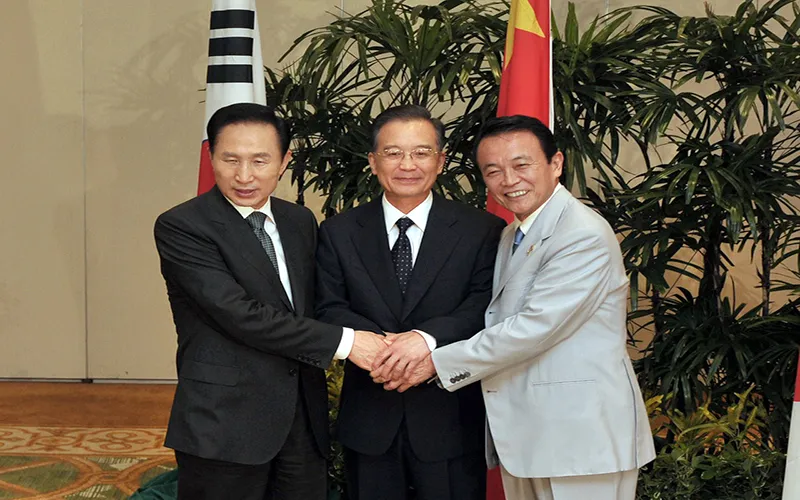
For both India and South Korea, cooperation in the civilian nuclear sphere is a subject of great importance. Both countries had signed an agreement in 2011 and since then, South Korea has been keen to sell its nuclear reactors to India but without success. Now, Seoul's interest has become stronger as it is competing with Japan.
With trade acting as a conduit between production and consumption, a post-Covid trade order must be built upon the principles of sustainability to curb the negative impacts on the ecosystem.
Your reflection published by Observer Research Foundation brings a complex view between food security, climate change, sustainable agriculture and land use. Is there awareness of this inseparable relationship?
The Observer Research Foundation and Saferworld, UK, with support from the UK Department of International Development, hosted a workshop in New Delhi in August 2014 with the objective of identifying priorities to help secure an inclusive agreement on the SDGs. This Policy Perspective presents a summary of key issues raised by participants from India, China, Brazil, Nepal, Bangladesh, Pakistan and the African Union.
India can offer an alternative model aligned with the “open economy, freedom, democracy” matrix, if it can boost its tax to GDP ratio to generate the resources required for sharing growth.
A city goes through several stages of evolution from being an aggregate of activities and population to developing its own identity as an economic and cultural hub. In the context of urban management, the evolution of a city is seen in its ability to think for itself in terms of resource sustainability and dynamic infrastructure needs. Coimbatore, the second-largest city in the state of Tamil Nadu, has gone through various stages of economic evol
With her visit to China now, Suu Kyi has travelled to three of the five immediate neighbours of Myanmar.