-
CENTRES
Progammes & Centres
Location
16775 results found

While there has been progress over the last few years in terms of garnering greater support for the EU Space code, there appear to be a few outstanding issues that need further elaboration and alteration to make the code more appealing. The way forward might be to shift from a consultative to a negotiating phase, before moving to hold a diplomatic conference.
The euro zone's recovery is obstructed by its own structural weaknesses. And the idea of a crisis relapse cannot be discounted as yet and the consequences of it are hard to fathom. The euro zone may also need to abandon its optimistic view.
सात वर्षांच्या वाटाघाटींनंतर, नवीन कराराने युरोपियन युनियनच्या आश्रय आणि स्थलांतर नियमावलीच्या आधुनिकीकरणाच्या दिशेने निर्णायक पाऊल उचलले आहे.
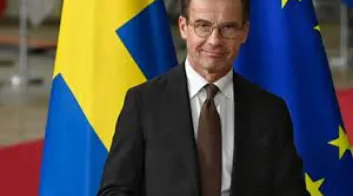
स्वीडनचे 2023 चे अध्यक्षपद हे एका गंभीर टप्प्यावर आले आहे कारण युरोपला अनेक आव्हानांचा सामना करावा लागत आहे.
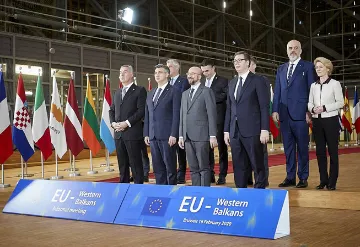
युक्रेनमधील संघर्ष आणि या प्रदेशातील चिनी पाऊलखुणा यामुळे कदाचित युरोपियन युनियनच्या विस्ताराकडे झेप घेतली असेल, परंतु त्याची क्षमता आहे का?
The new draft of the EU-initiated International Code of Conduct for Outer Space is a significant step forward. The language has been tightened to make it more precise. The document is particularly mindful of the interests of emerging Space actors and instituting measures for greater international cooperation. There have also been several practical measures suggested for more transparency.
A successful conclusion of the FTA with EU would go a long way in building international market confidence, giving much needed stimulus to the international economy. The loss of revenue from reduction in tariffs should be viewed in gains of transfer of technology, productivity increases and greater competition.
It is quite likely that whoever ascends to power in New Delhi will primarily be focused on domestic politics, and the question of an FTA with Europe will receive less attention than in the past. Additionally, unless the remaining key issues are resolved through some give and take by both sides, the BTIA negotiations may remain stalled in the foreseeable future.
With one seventh of the world's population and one of the fastest growing economies India has the potential to be a major player in global trade negotiations. It should bear this position in mind while moving ahead with the EU-India FTA.
The Libyan revolt was led by a group called the National Conference of the Libyan opposition, founded in London in 2005. Can overseas Libyans make a revolution? If Qaddafi survives, will not opposition to his soft Islam be the harder version of the faith?

This report of a conference, hosted by the NFG Research Group "Asian Perceptions of the European Union" at ORF and JNU on September 26-27, 2013, provides a summary of the key themes which emerged from the conference.
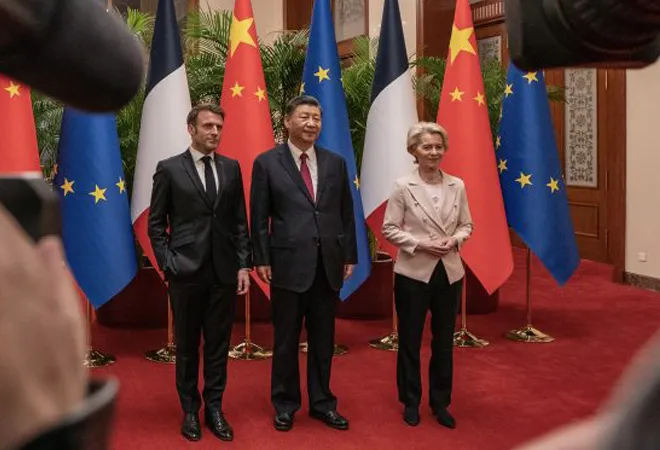
Whether France can be a trusted partner in managing China is a question that many have asked after the fiasco of Macron’s visit.
Even if Donald Trump does not win the presidency, it is unlikely that enthusiasm for supporting Ukraine would be high in the US’s political ranks
Greece's problems were inevitable because the concept of Eurozone is based on flawed solidarity. While the monetary policy is controlled by the ECB, the fiscal policy is under the member states. They have to obey the diktat of the ECB regarding interest rates and this has made Greece uncompetitive with rising costs.
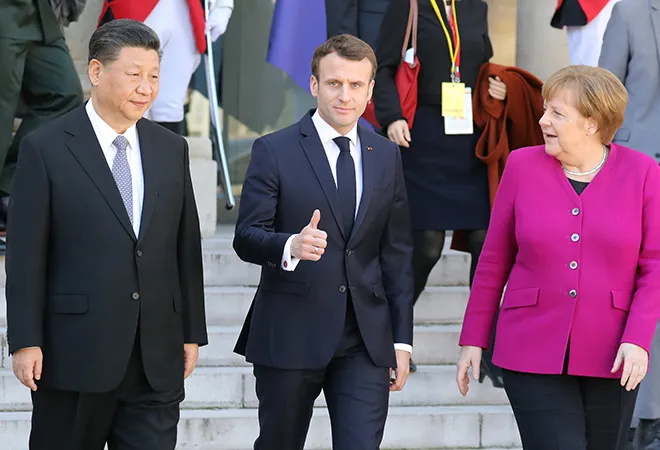
The shift from a one-world economy to a two-world system will force States to make hard choices. Europe is the testing ground
Mere constitutional creation of new political space would not become the answer to the growing demands for inclusion and participation in the countryside. For substantive democracy to become a reality, Centre and States need to show willingness to share powers (3Fs).
The Af-Pak conflict's center of gravity has over the past five years shifted decisively to the very heart of Pakistan. Hence, the ultimate ace up Pakistan's sleeve is to search seriously for peace with India, step by step, but sincerely.
New Delhi needs to note that China’s estrangement from the US is not as serious as the one with India.
To improve India's role in Central Asia, its focus should recognize the diversity of relationships that are possible - economic, defence, and connectivity. Politically and historically, each of the five countries in the region is distinct.
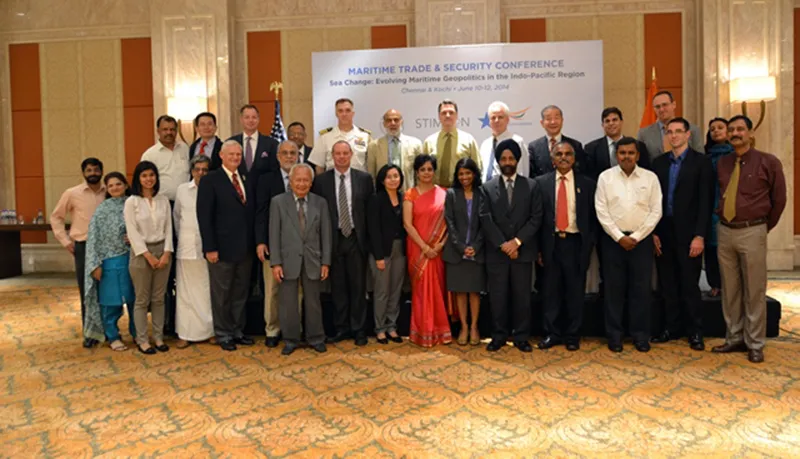
A four-day maritime conference on "Maritime Geo-Politics in the Indo-pacific" was organised in Chennai, Kochi and New Delhi recently. The conference saw speakers deliver perspectives from India, China, Japan, US, Australia and Indonesia.
China has often showed a lack of willingness to abide by not only established international law but also certain norms that the global community has fostered over the years. It has flouted the decision issued by an arbitration court at The Hague regarding its claims in the South China Sea; it has also appropriated intellectual property. In the 1970s when the Western economies were taking the lead in setting global norms while balancing the thre
Presenting the Interim Budget 2024-’25 on 1 February, the finance minister announced an allocation of INR 6,21,541 crore (approx. US$75 billion) for the Ministry of Defence (MoD). Representing 1.9 percent of Gross Domestic Product (GDP) and 13 percent of Central Government Expenditure (CGE), MoD’s new budget is an increase of 4.7 percent over the previous outlays. This brief examines the MoD’s latest budget and contextualises it in the curr
The current debate on Delhi’s approach towards the Rohingya crisis focuses principally on the implications. While this aspect, without doubt, deserves careful examination, there is a need for a more holistic understanding. This brief fills the gap by shifting the focus on the role that India is playing in finding a solution to the crisis. It looks beyond what the approach means for India and explores ways for Delhi to further deepen and expand
As China pursues its expansionist ambitions in the greater South China Sea, Philippines President Ferdinand Marcos Jr. is working to enhance his country’s ability to exercise its sovereignty and sovereign rights. Towards this end, Manila is expanding its strategic options through robust external partnerships and national policy recalibrations to secure its lawful waters in what it calls the West Philippine Sea. There are concerns, however, abou
Pakistan Army recently declared adopting a new doctrine of war fighting, termed sub-conventional warfare, in its policy document, the Green Book. The book, published at regular intervals, is a manual of new doctrines and guidelines which the GHQ distributes among senior military officials.
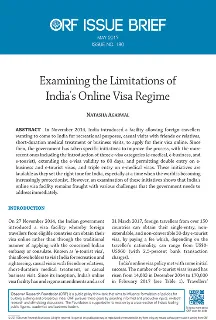
In November 2014, India introduced a visa facility allowing foreign travellers wanting to come to India for recreational purposes, casual visits with friends or relatives, short-duration medical treatment or business visits, to apply for their visa online. Since then, the government has taken specific initiatives to improve the process, with the more recent ones including the introduction of three e-visa categories (e-medical, e-business, and e-t
As anticipated, the much-touted and ill-prepared protest by the Bhiku movement and Sarath Fonseka's Democratic National Alliance (DNA), seeking to replace the Executive Presidency, has Sri Lanka ended in a whimper.
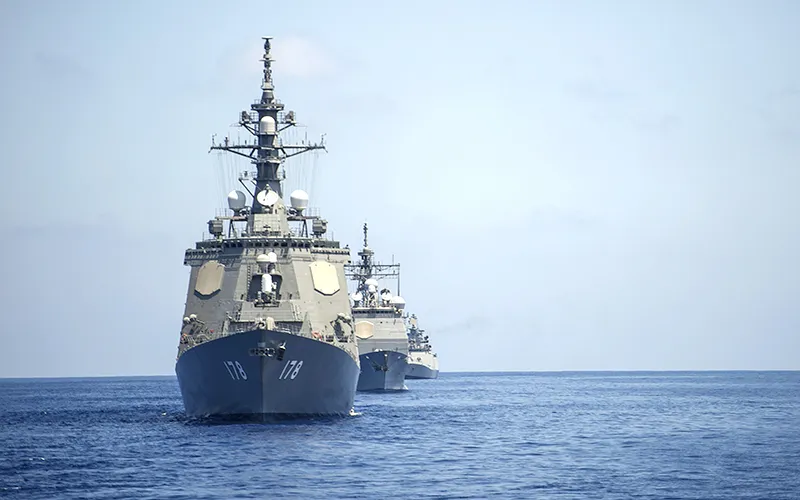
For Japan, which deployed missile destroyer J S Fuyuzuki and SH 60K helicopters on India's invitation, the Malabar Exercise signals the growing importance of ties between the two nations as well as the personal importance that PM Modi has attached to India's strategic ties with Japan.
why should Delhi have a monopoly on good ideas? While Mumbai is the economic capital of India, its history has also forced it to be a center of strategic and policy thought from which Delhi remains divorced
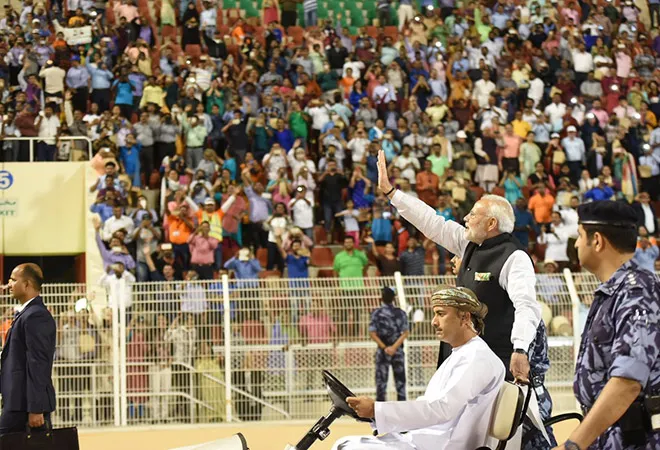
India’s West Asia engagement must focus on strengthening its presence as an economic and security partner

ISRO should embrace a civilian identity and, aided by legislation, form partnerships with the industry and entrepreneurs.
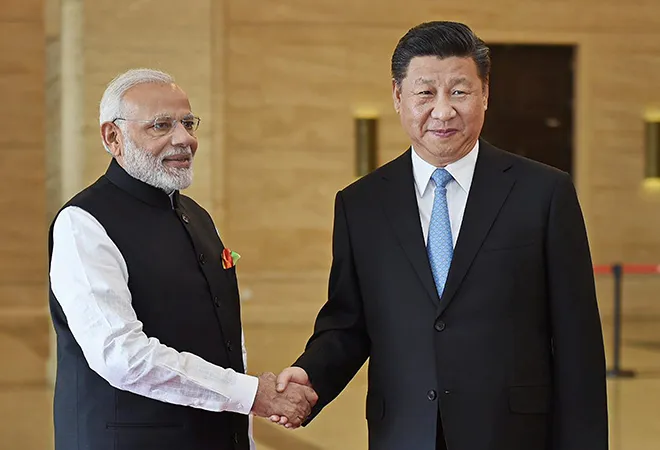
Gen. Mattis' visit underscored the growing salience of defence ties in shaping the trajectory of Indo-US relations.
The government will need a lot of explaining to do about the rising corruption in the Budget session and will have to cast its tax net wider to catch the tax dodgers. What it will do to make the tax base bigger could be an interesting feature of Budget 2013.
Maharashtra imposed alcohol prohibition in the Chandrapur district in April 2015. However, in 2021, the state government annulled the liquor ban as evidence indicated that the district administration had failed to comprehensively implement it, with several social and economic consequences that compromised the wellbeing of Chandrapur. Experiments in prohibition in India and the US show that it is nearly impossible for such widespread socia
Outlining the need for a concerted effort to deal with water challenges in South Asia, experts at a roundtable suggested that there was a strong reason to create collaborative rather than competitive frameworks.
ORF, the Public Diplomacy Division of the Ministry of External Affairs of India and CERI - Sciences Po and Centre d'analyse Stratégique (CAPS) of France have begun an Experts Policy Dialogue to delve into key areas, opportunities and challenges that will shape, enrich and confront the India-France relationship in the coming years.
Heightening great-power rivalry has impeded consensus-making in multilateral institutions. This has given rise, in recent years, to minilaterals especially in the Indo-Pacific. Even as there are criticisms that minilaterals are too informal and lacking in structures that are required for focused debates, China’s belligerence has galvanised support for, and focus within minilateral groupings in the region. Over the past year, the fallout of the
In recent years, both nations have displayed a renewed focus and prioritisation of establishing strong relationships with each other and the neighbouring ASEAN countries.
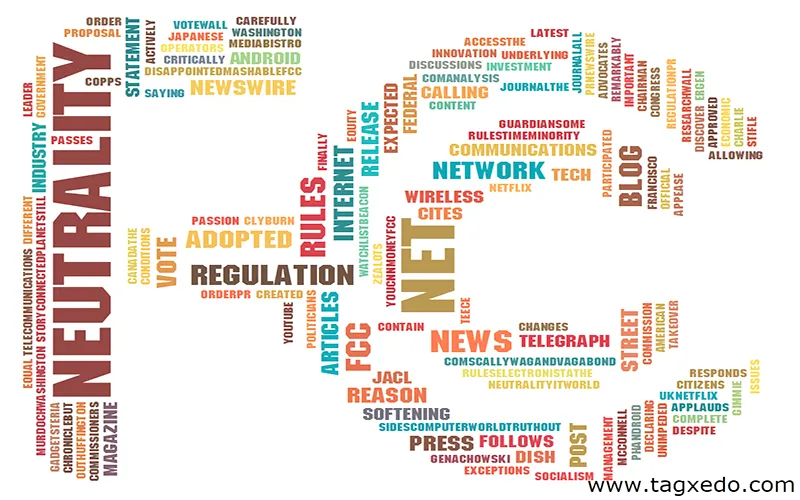
With India seeking to connect the next billion, and becoming a key player in the global Internet debate, it is important to have clearly formed domestic policies. The combination of regulatory interest, corporate opposition and constitutional rights suggest that the time is right for a nuanced debate on net neutrality in India.
This brief examines the efficacy of the inclusion of private capital in development finance, using the cases of certain countries that have met with success in utilising such a strategy. It underlines the experiences of institutions like the Japan Bank for International Cooperation (JBIC) and the United States International Development Finance Corporation (US-IDFC) that use innovative financial tools to support international financial institution
Azerbaijan has become an attractive investment destination, connecting Europe, Central Asia, Russia, and the Indian subcontinent via the International North-South Transport Corridor (INSTC) and the Trans-Caspian International Transport Route (TITR). Indeed, over the years, India has explored various options to enhance connectivity with Russia and Europe via Azerbaijan. This brief assesses how the Western Route of the INSTC and the TITR can improv