51 results found
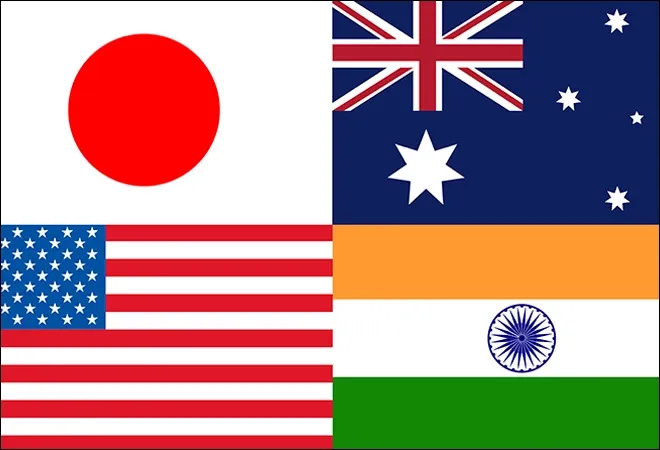
The Quad has been repeatedly criticised for supposedly lacking a maritime security agenda. These views, however, stem from a narrow interpretation of ‘maritime security’—one that focuses primarily on militarisation. Yet, the maritime security challenges in the Indo-Pacific remain complex and multifaceted. A closer examination of the Quad’s maritime security agenda reveals that the group has emphasised sustained cooperation on maritime sec
Post-9/11, counter-terrorism experts all over the world have been focussing attention on three new aspects of counter-terrorism: counter-terrorism relating to weapons of mass destruction (WMD), maritime counter-terrorism and counter-terrorism relating to energy security. Each of these requires a new approach and a new thinking.
The newly-appointed National Maritime Security Coordinator will need to ensure cross-agency coordination to successfully strengthen India’s maritime security architecture.
Coupling maritime security with broader maritime governance will aid in advancing global cooperation in the maritime space
Safeguarding global supply chains depends on collective action to secure maritime routes against rising physical and cyber threats.
The navy’s expanding constabulary role—encompassing diplomacy, surveillance, and maritime policing—reflects India’s efforts to shape the security environment in the Indo-Pacific
Private security solutions, which are essential to the maritime sector, need to be reassessed with a focus on human rights, amidst ongoing geopolitical conflicts
Counter-proliferation, counterterrorism, maritime security, maritime domain awareness and HADR are some of the potential areas for JAI to work together.
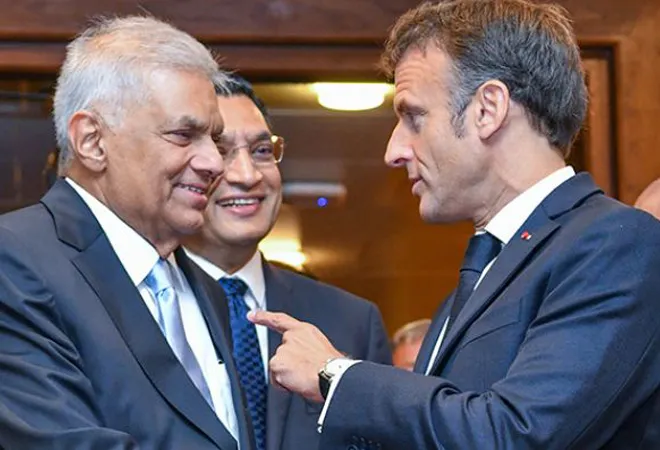
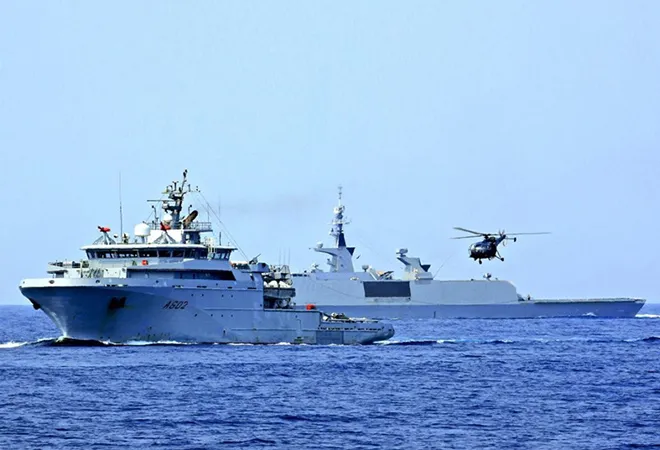
India and France's shared maritime security and geopolitical interests in the Indo-Pacific encourage the two nations to strengthen their strategic maritime strategy.