-
CENTRES
Progammes & Centres
Location
57 results found
Between the economic crisis and the lack of a credible leader, Pakistan is lost
पाकिस्तान के नए वज़ीर-ए-आज़म शहबाज़ शरीफ़ के लिए सबसे बड़�
सत्ता संभालने के बाद पाकिस्तान के नए प्रधानमंत्री शहबाज�
अंगोला में आगामी राष्ट्रपति चुनावों के नतीजों से देश का �
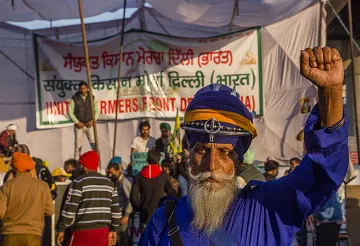
किसानों की तादाद सबसे कम होने के बावजूद किसानों का विरोध �
सार्वजनिक सेक्टर में योग्यता के प्रति की ‘ड्रैग-एंड-ड्रॉ
केंद्र प्रायोजित योजनाओं (सीएसएस) में बदलाव की ज़रूरत है �
वैसे तो कश्मीर में हिंसा में एक ठहराव देखा गया है लेकिन सं
नागालैंड में हाल ही में हुए नरसंहार के बाद आर्म्ड फोर्से�
सीमाओं से बार-बार जवानों को हटाना हमारी राष्ट्रीय सुरक्ष
महामारी से लेकर राज्यों में होने वाले चुनावों व नए राष्ट�
राजनीतिक दलों और चुनावी पैसों के नियमन में कानूनी ख़ामिय
A period of instability continues to loom large over Nepal as, despite the overwhelming support garnered by PM Prachanda, it won’t translate into re
भारत के सर्वोच्च न्यायालय ने फैसला सुनाया कि सभी महिलाएं
पीएफआई पर देश भर में कार्रवाई यह सवाल उठाती है कि क्या केव
रो राजनीतिक दरार को और आगे बढ़ाने के लिए रो बनाम वेड के फै�
लैटिन अमेरिका को नई दिल्ली एक क्षेत्र के रूप में देख सकता
वैश्विक गवर्नेंस, उसकी संस्थाओं और उसके नेतृत्व की आज जो �
हाल के दौर में इसकी इज़्ज़त में कमी भले आई हो, मगर आज भी भार
लगातार बदलती दलगत व्यवस्था और उभरते हुए नेतृत्व के मिज़ा
কারাকালপাকস্তানের স্বায়ত্তশাসিত মর্যাদা কমানোর প্রস�
IPEF की रूपरेखा में ख़ामियों के बावजूद ये ढांचा भारत को दक्ष
किसानों की तादाद सबसे कम होने के बावजूद किसानों का विरोध �
10, डाउनिंग स्ट्रीट में ऋषि सुनक की आमद इतिहास बनाने वाली भले हो, मगर ये सफ़र बहुत चुनौतियों वाला है, जो किसी कमज़ोर दिल वाले के बस की बात नहीं.
With Kashmir on the boil the older debate of autonomy of Kashmir has resurfaced
While existing literature provides solid documentation of conservation policy and legislation, coverage of civil society's perceptions and role within conservation schemes is relatively sparse. This paper presents the under-represented perspective of modern Delhi on the policies and realities of heritage conservation.
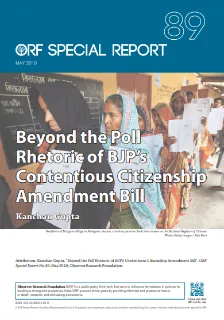
The Bharatiya Janata Party (BJP) has been raising the issue of illegal immigration from Bangladesh for a long time now, identifying itself with the “anti-foreigners agitation” in Assam in the 1980s. The party has recently amplified its position, twin-tagging the issue of illegal immigration from Bangladesh with a promise to update the National Register of Citizens, and amend the Citizenship Act to grant citizenship to Hindus, Buddhists, Sikhs
The essence of any democratic system is the healthy functioning of political parties and consequently free and fair elections. Free and fair elections imply not only a legal institutional framework for the conduct of elections and a transparent electoral process.

This paper assesses the major shifts that have occurred in the country's federal system in the last three decades. It also provides a list of recommendations to improve Centre-state relations in India.
This Issue Brief seeks to outline the history of corporate funding in India, legislation governing corporate funding, institutional innovations in corporate funding like electoral trusts, and international experiences and their relevance in the Indian context. Given the increasing clamour for transparent and accountable corporate funding of political parties, the Brief also explores the perils of over-reliance on corporate funding.
This Issue Brief looks at the world of digital spaces and analyses issues such as the politics of silencing women; propriety; and health and gender-specific vulnerabilities.
This report draws from the conference on the Future Challenges to India's Intelligence System organised by ORF in February 2015. What tasks face India's intelligence agencies in implementing reforms in order to address the more complex national security threats confronting the country today?
Once synonymous with inefficiency and slothfulness, India's public service delivery system is finally being overhauled and put on the path of reforms. Ironically, these reforms are being spearheaded by a set of state governments. This paper attempts to capture the key trends of this impressive development which has far reaching consequences for democracy and governance in the country.
Six of every 10 of India's prisoners languishing in jails across the country are undertrials: their cases have yet to be tried, and they are spending more time in jail than they would have, if convicted. The slow march to justice for undertrials must be seen in the context of a criminal justice system in need of an overhaul. This paper examines the plight of the country's undertrials and recommends ways to move forward.
This brief analyses the manifestos of the Indian National Congress and Bharatiya Janata Party in the past four Lok Sabha elections. It introduces the concept of “falsifiability” to evaluate whether promises made in manifestos can be verified, to begin with; it then outlines the poll promises that are falsifiable across various sectors. The authors examine whether or not the promises were fulfilled, and if not, if they were carried aga
India has always been shy of adding a religious tint to its foreign policy. In the last decade, however, the aspiring global power began engaging in what has come to be called 'Buddhist diplomacy' in its outreach to countries in the South, East and Southeast Asia. e prime minister is diligently pursuing India's 'Buddhist agenda' and taking it beyond its borders, emphasising the Indian and Hindu links with Buddhism. Concurrently, another Asian
By most indications, India has arrived at a principled affirmation of net neutrality; the country must now turn its attention to its regulatory aspects. This essay examines whether the Competition Commission of India (CCI) can assume the primary role in enforcing net neutrality. It will trace the Commission?s short history to determine whether it has adequate jurisdiction and the strength of precedent to regulate the internet.
While the regulatory and safety structures of India's civilian nuclear programme have served the country well, they are in need of an upgrade. This paper examines the paths that lie ahead.
Delhi, India's national capital, has long been the subject of a quandary: Should it be granted full statehood, or maximum autonomy commensurate with its megalopolis status? is paper takes a tour of select national capitals to understand how other nations have arranged their governance and handled competing jurisdictions and functions. Lessons are drawn from this examination of other capitals, and recommendations are put forth towards a more sensi
Swine flu has seen a worrisome spread in India recently, and there are fears of another resurgence in the coming months. This issue brief explores the economic impact of swine flu and the challenges India faces in fighting the disease.
This Issue Brief aims to deconstruct the Centre-State fiscal relationship by describing the current status quo and the criticisms. It gives recommendations to correct and update the relationship such that it reflects the changed fiscal structure of the country, its States and its people.
The Ministry of Human Resource Development in late June floated the Higher Education Commission of India (HECI) Bill, 2018, to repeal the seven-decade-old University Grants Commission (UGC) Act, 1956. The HECI, when established, will replace the UGC that has been the bedrock of India’s higher education system. This brief analyses the draft bill and examines its deficiencies. It suggests that the present bill fails to address the shortcomings of