1578 results found
Indian Prime Minister Narendra Modi’s upcoming visit to Israel will be historic.
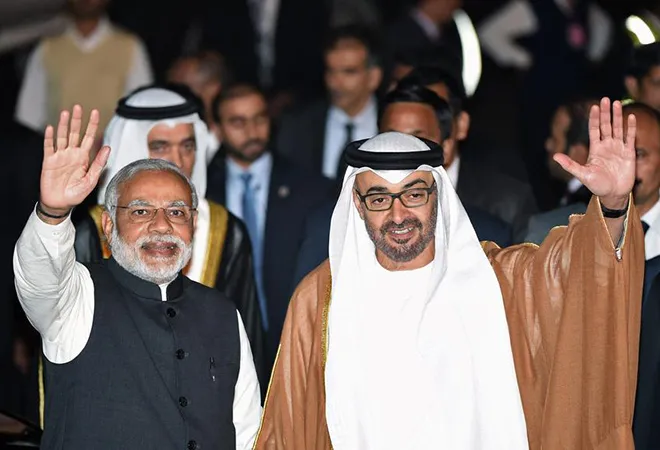
India had several reasons to seek a quick stabilization and reaffirmation of its relationship with the UAE.
The diversity of engagements planned during PM’s visit suggests that after a long hiatus, relations between two of the world’s oldest civilizations are on an upswing
For a mid-term review under 'Modicare', it is hard to paint a concrete macroeconomic picture.
This commentary provides an analysis of the Modi government's decade long foreign policy decisions.
Digital India created a brand, mirroring PM Modi's 'Jan-Jan Modi, Ghar-Ghar Modi' of aspiration & inclusivity.
A more concerted and intensive engagement will serve both India and Indonesia well
It can be very tempting to not be overly optimistic following the recent meeting between Narendra Modi and Nawaz Sharif in Ufa, Russia. There is a sense of familiarity to the manner in which India-Pakistan relations unfold.
India presents more immediate potential for the "top line" obsessed Silicon entrepreneur. But Asian companies from Japan, China, and Korea in sunset industries, are better placed to be responsive to the fragmented Indian market than a Fortune 500 corporate, which survive on scale not agility.
Victory wouldn’t solve all the economic problems India’s prime minister has thus far left unresolved.
The idea of a united Indo-Pacific put forward by t he Japanese Prime Minister Shinzo Abe is becoming increasingly concurrent with the foreign policy initiatives of Indian Prime Minister Narendra Modi, according to the Ambassador of Japan to India, Mr. Takeshi Yagi.
In an era of Asian strategic uncertainties and global power transition, India-Japan defence and security linkages have become particularly significant.
Modi’s remarks aimed to put across an India that was ready to synchronise itself with the Trump administration’s goals, but the US president made it clear he wanted India to commit to “free and fair trade”.
Retaliation, as in a neutralisation of the specific groups and masterminds behind the Uri attack, may not be logistically feasible.
New Delhi and Canberra are likely to conclude the much-awaited Mutual Logistics Sharing Pact — as well as other agreements covering science and technology and public administration.
Narendra Modi has much work ahead.
Some economists argue there is an overlap between the demands of the stock market and the emerging aspirational classes. The new FM has said, sacrifices will have to be made to correct the fiscal path. The question is who will make the sacrifices -- big capital or ordinary people?
The turn observed by global economics over the past decade has not only put developing economies in Asia at the centre of the global growth story but also reshaped how countries in West Asia approached India.
A delegation of visiting Members of Parliament from Bangladesh, taking part in an interaction with academics, media-persons and ORF faculty, hoped that the new government in India would take the relations between the two countries to a different level.
Rather than rushing to deport people, the new Modi government needs to carefully weigh a solution that will benefit all stakeholders. After all, friendly relations with its neighbors is in India's interests.
Worries about fake currency and political considerations drove the final decision, as banks were prepared for the move at the highest levels.
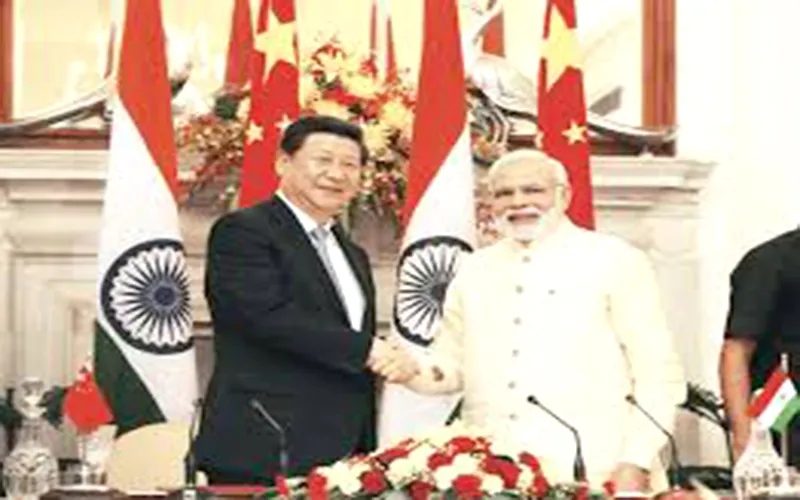
The state of the bilateral relationship between India and China has gotten rockier since the two leaders last met.
Experience would suggest the best time for Modi to take tough decisions is now when his popularity is at an all time high and his adversaries, both within his party and without, are still shell-shocked. If he can stake out the key elements of the long-awaited second generation reforms, he can spend the balance of his tenure working to implement them.
If Narenda Modi could turn around Gujarat's agriculture so dramatically, he can be instrumental in turning around agricultural productivity, marketing and storage in all States. He has to act quickly. Otherwise, there would be more problems of large scale migration from the rural to cities.
All that the government has to do is to focus on providing basic goods -- high quality primary education and healthcare, toilets and housing for all. When there is so much money in India in private and public hands, why is it taking so long for the government to do something to change the lives of millions of people?
There is a renewed interested in the idea of India taking a leadership role in the Commonwealth to infuse a new lease of life into an organisation which for many in Delhi has long back outlived its usefulness.
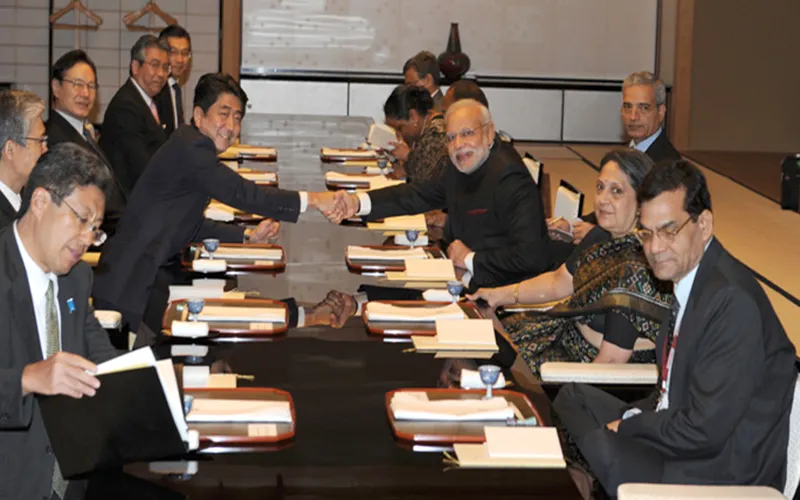
A civil nuclear agreement is one of the key outcomes New Delhi is pushing for in Prime Minister Narendra Modi's visit to Japan that starts on August 30. Recently, in Naypidaw, Myanmar, foreign minister Sushma Swaraj called on her Japanese counterpart Fumio Kishida to "bring talks on civil nuclear agreement to their logical conclusion".