36 results found
Harit Sagar outlines India’s push to green ports while linking climate action with maritime growth and trade
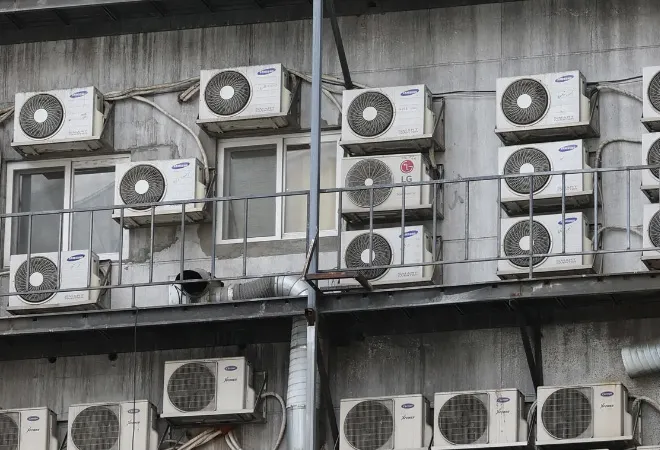
The rapid heating of the planet demands that the next generation of cooling technology go beyond energy efficiency to be truly sustainable, while prot
The US and India must work together to balance AI innovation with sustainability by focusing on energy efficiency, transparent emissions reporting, an
आर्टिफिशियल इंटेलिजन्समधील सध्याची दरी भरून काढण्यासा�
Bridging the contemporary AI divider requires better infrastructure, smarter tools, and streamlined processes to make AI accessible to all, not just t
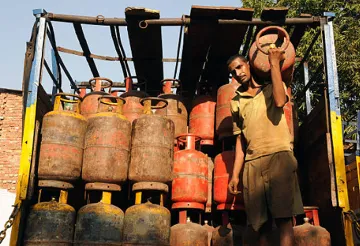
एलपीजी हे जीवाश्म इंधन असले तरी ते पेट्रोल आणि डिझेलपेक्
हालांकि एलपीजी भी जीवाश्म ईंधन ही है लेकिन पेट्रोल और डी�
Although an increase in GDP marks an increase in energy consumption, India’s carbon and energy intensities have declined in the past decade, below t
Trends in consumption growth in the last two decades suggest that IEA’s expectation of a decline in demand for petrol in India on account of growth
To achieve both its development goals and energy transition goals, India needs consistently higher levels of growth in national income to enhance the
वाढत्या जागतिक तापमानाशी जुळवून घेण्याच्या आमच्या साम
Will the increase in energy consumption of the poor masses for cooling and other energy services help them adapt to a warmer world or contribute to a
Large climate financing is a prerequisite for net-zero transformation and innovations to reduce emissions. However, such financing must be recognised
With the current government’s plan to build 100 smart cities in India, buildings sector in India has a huge potential to achieve enhanced efficiency
Japanese are leaders in global technology dealing with energy efficiency and energy savings. As a result, Japan has lowest energy intensity amongst all countries. This situation was brought about in a dramatic change after the 1974 oil shock.
Under the PAT scheme, the market based mechanism created for achieving energy efficiency seems to be inherently flawed. While the market for energy efficiency is about 74,000 crores, it is unlikely that this potential can be tapped by the mechanism envisioned.
India presents a unique case of balancing decarbonisation efforts with industrial growth. While notable progress is being made in decarbonising the power and transport sectors, reducing industrial emissions poses a formidable challenge. To meet its decarbonisation targets, India will need massive capital flows, projected at US$10.1 trillion by 2070. While green finance will support technologies that align with the Paris Agreement, transition fina
The Gulf Cooperation Council (GCC) states have seen strong and accelerating progress in the energy transition, driven primarily by economic more than environmental factors. The adoption of low-carbon energy, including nuclear, renewables and batteries, has been most prominent in the electricity sector. Most of the Gulf countries have set net-zero carbon targets and all have renewable and hydrogen production targets in place as well. A key objecti
India is entering a pivotal ‘Blue Highway’ transition with major investments in inland waterways offering a low-carbon alternative to road and rail, enhancing energy efficiency, reducing emissions, and boosting trade competitiveness. These developments, however, are unfolding within some of the most biodiverse river systems on Earth. The Ganga and the Brahmaputra, and their tributaries, are not merely transport corridors; they are living ecos
The purpose of this paper is to reopen policy debates on the role of agricultural mechanisation in rural development. The paper examines very different and diverse patterns of agricultural mechanisation in some South Asian countries over the last 30 years
As India braces itself for an over-ambitious Jawaharlal Nehru National Solar Mission, it also has to deliberate the prospects of developing other renewable energy resources. Of all the non-conventional renewable energy sources, small hydro represents the highest density resource.
It has overcome sceptics to widen its ambit of partnership and also set a focused strategic agenda
जर आपल्याला स्वच्छ उर्जेची सोय तळागाळापर्यंत उपलब्ध करून द्यायची असेल, तर आपण वित्तीय व्यवस्था शेवटच्या माणसापर्यंत न्यायला हवी.
मॉड्युलर पॅकेजिंग व वाहतुकीसाठी योग्य आदी वैशिष्ट्यांमुळे तुलनेने स्वच्छ, पर्यायी इंधन म्हणून एलपीजीच्या औद्योगिक वापराला प्रोत्साहन दिले, तर देशाची आर्थिक व पर्यावर�
वीज दरांवर मर्यादा आल्यामुळे वीज पुरवठ्याच्या खर्या किंमतीवर परिणाम होतो, हे डिस्कॉम समोर समस्यांचे सर्वात महत्वाचे कारण आहे.