-
CENTRES
Progammes & Centres
Location
35 results found
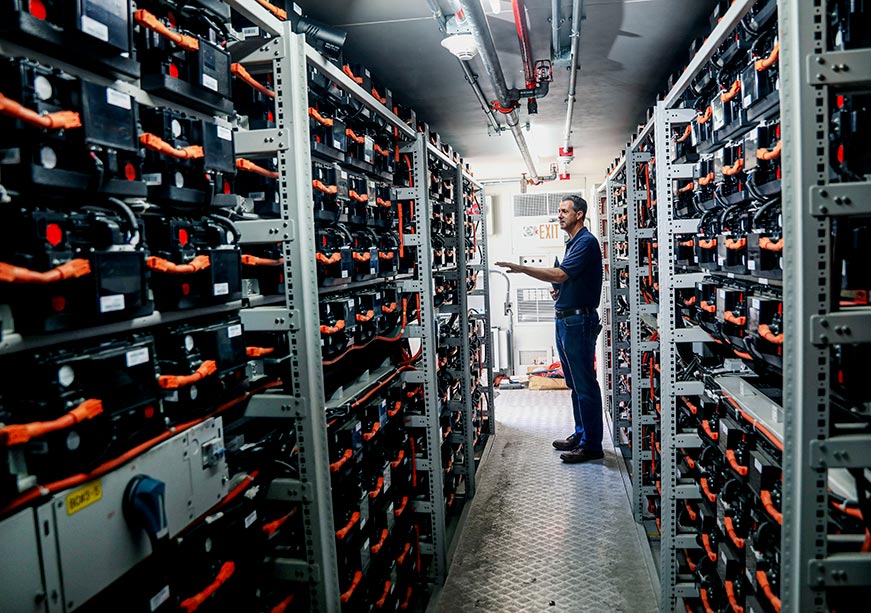
A sustainable LiB ecosystem requires shifting from “waste management” to “design-for-reuse,” with batteries built for recyclability, second-li

India must boost domestic production, strengthen international partnerships, and adopt sustainable practices to reduce dependence on China for critica
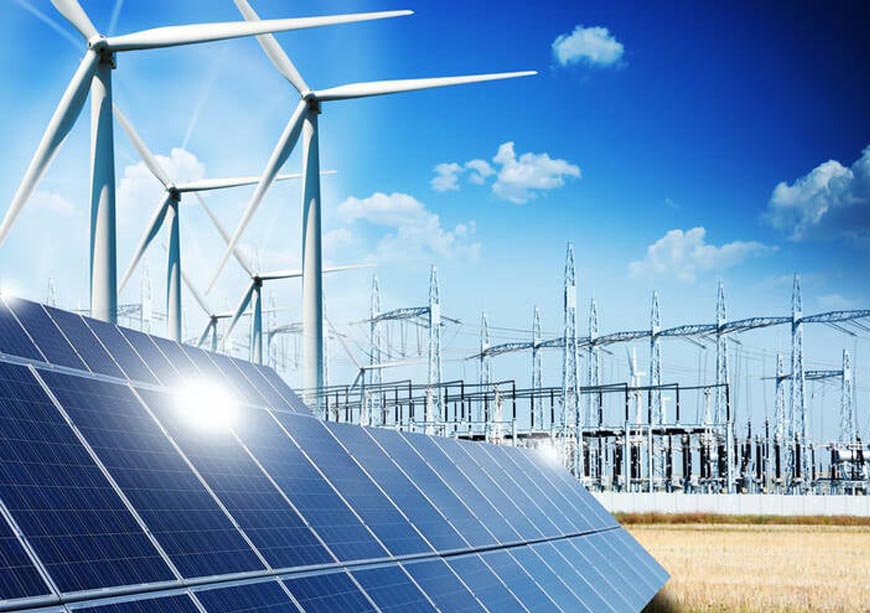
Cautious support for renewable energy in the budget and survey emphasizes complex trade-offs
जगातील अनेक देश चीनच्या इलेक्ट्रिक व्हेईकलची (EV) दर्जेदा�
Countries across the globe are struggling to respond to the quality and affordability of Chinese EVs, and China’s dominance over EV production and E
जागतिक स्तरावर, चीन नवीकरणीय उर्जेमध्ये महत्त्वपूर्ण य�
The West sees China's investments and capacities in low-carbon energy as a security threat instead of recognising its role in boosting RE’s global s
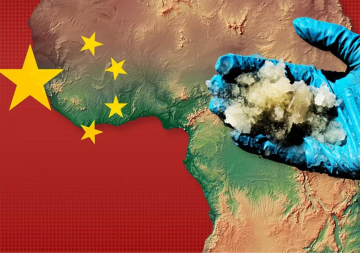
The course of the global energy transition may be determined by the effectiveness of Africa’s lithium exploration negotiations with China.
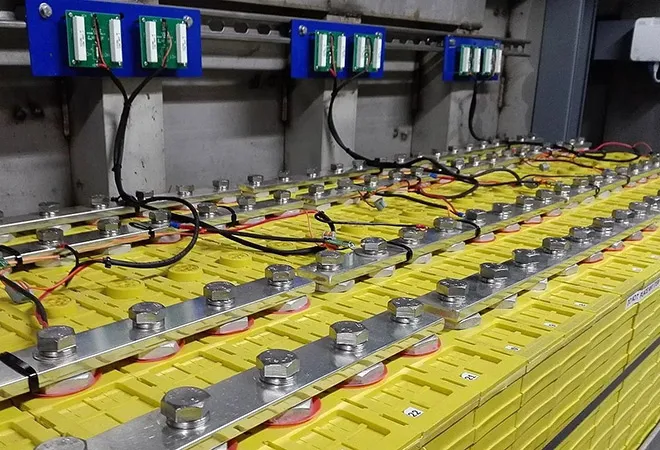
The Indian government has immense potential to guide the lithium industry down a path that is both sustainable and economically beneficial

भारत के दो-पहिया वाहन उद्योग को ये सुनिश्चित करने की ज़रू�
ग़रीब देशों के लिए ऊर्जा भंडारण प्रक्रिया की लागत एक बड़�
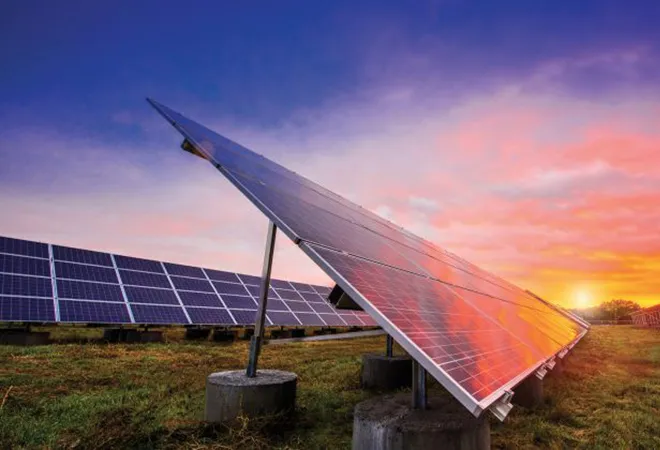
If expected cost declines in solar PV plus battery storage do not materialise, the price for carbon will make fossil-fuel-derived energy more expensiv
ईंधन की बढ़ती ज़रूरतों से निपटने के लिए भारत में बैटरी अद�
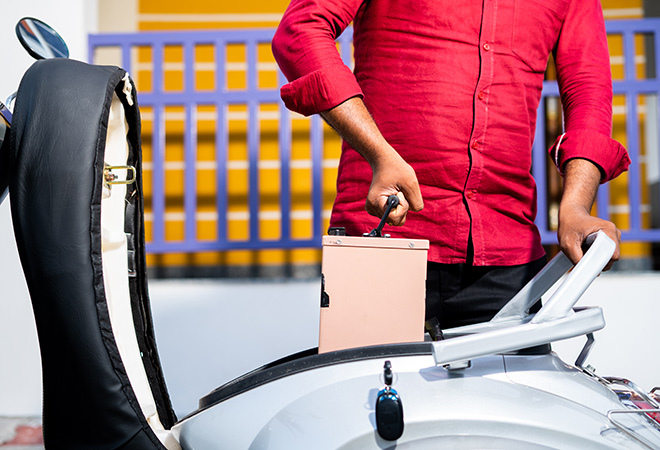
ईंधन की बढ़ती ज़रूरतों से निपटने के लिए भारत में बैटरी अद�
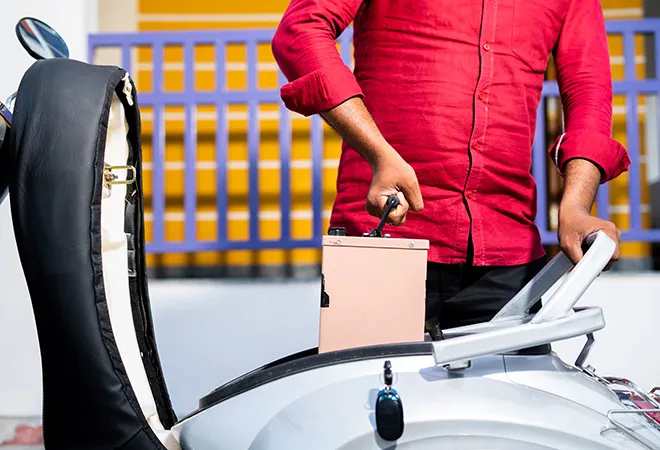
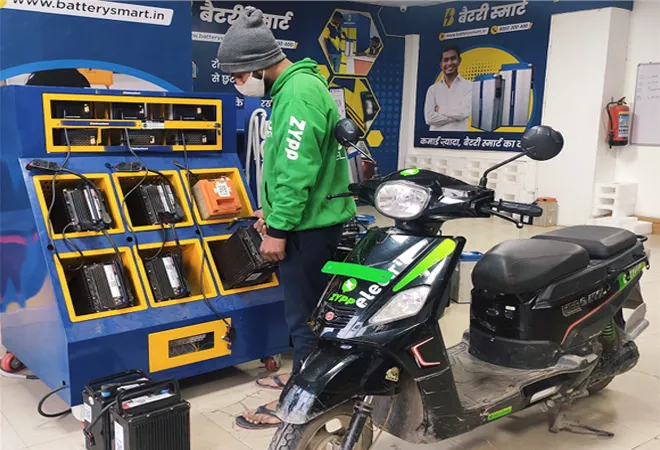
As a response to the rising energy needs, India has come up with a battery swapping policy: A necessary but not a sufficient step.
Recent developments in developing sodium-ion battery technology might provide a solution to the materials crisis in the electric mobility transition.
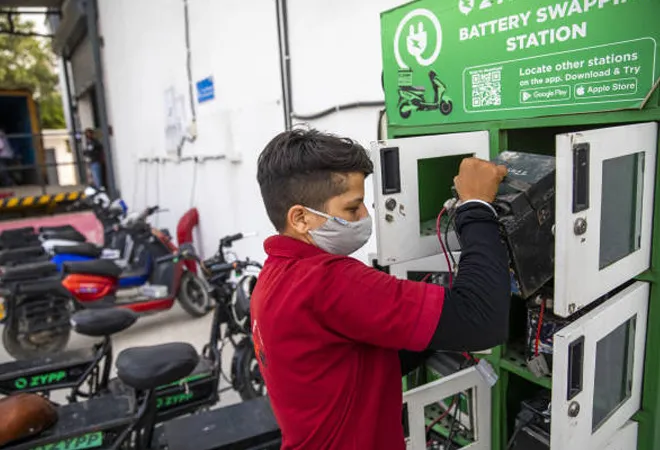
Russia’s aggression in Ukraine might have unintended consequences for the green mobility transition.
ग़रीब देशों के लिए ऊर्जा भंडारण प्रक्रिया की लागत एक बड़�
ग़रीब देशों के लिए ऊर्जा भंडारण प्रक्रिया की लागत एक बड़�
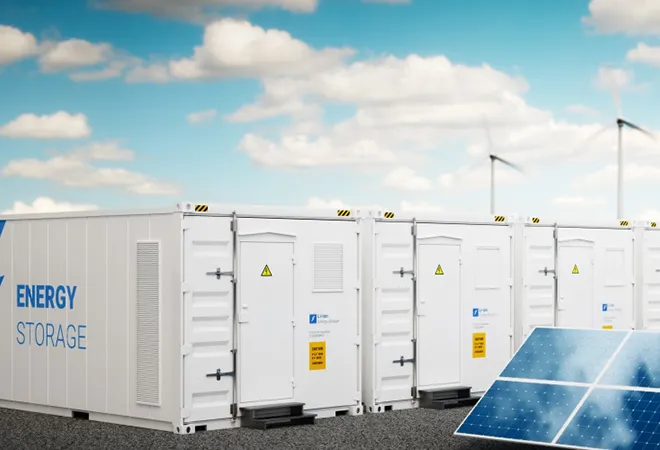
The cost of energy storage systems might be a difficult barrier for poor countries to overcome.
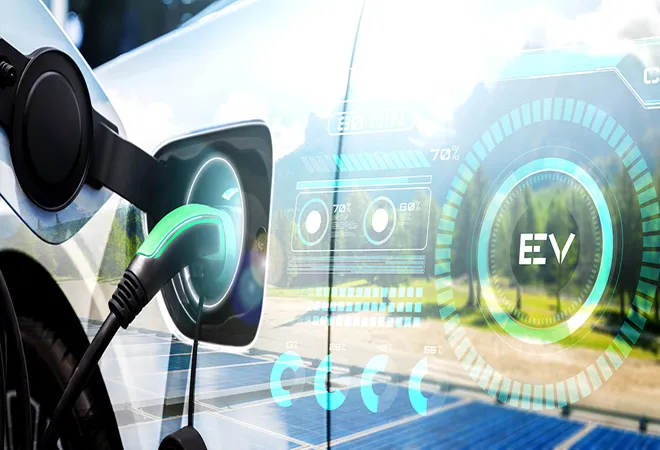
Large climate financing is a prerequisite for net-zero transformation and innovations to reduce emissions. However, such financing must be recognised
बैटरी क्षेत्र से जुड़ी पुरानी तकनीकों के एक चरण को लांघ क�
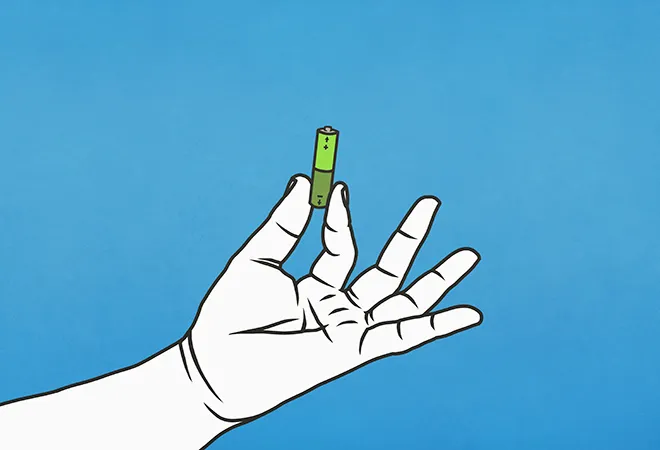
India could jump a complete technology phase by moving straight to novel battery technologies and strategically reduce its battery import dependence a
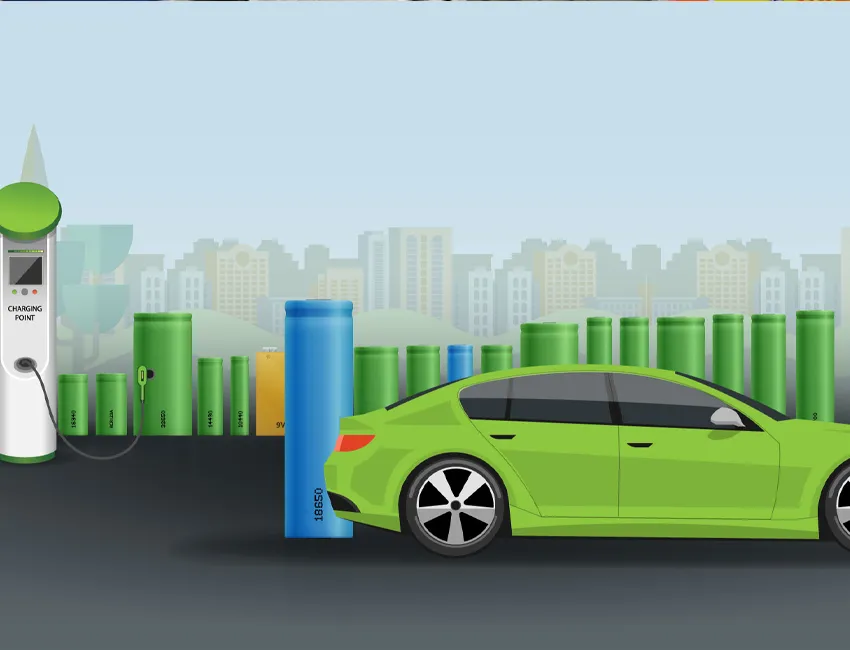
Why invest in new infrastructure when the extant set could suffice, provided refuelling/battery replacement takes about the same time as now.

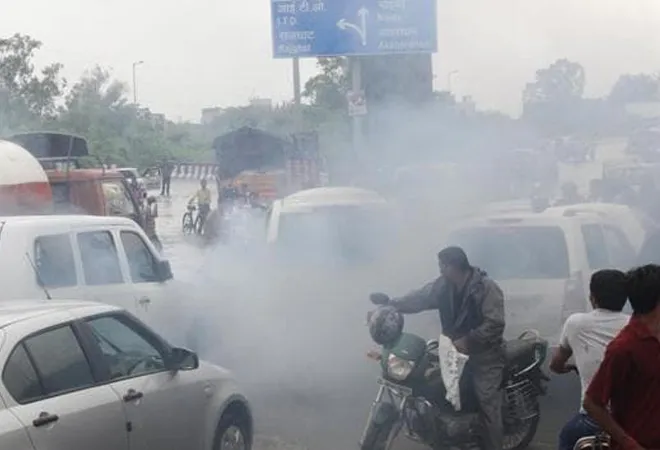
Emissions from fossil fuel-powered motor vehicles adversely affect air quality and contribute to global warming. The manufacture and use of electric vehicles (EVs) is among the ways by which this challenge can be mitigated. This brief evaluates the best practices adopted by countries in the forefront of EV adoption, and outlines the lessons India can draw from them to inform its own EVs strategy. It finds that in addition to strengthening

Energy storage is key to both effective integration of renewable energy systems with the electricity grid, and accelerating the adoption of electric vehicles (EVs). This brief discusses the technological trends in lithium-ion (Li-Ion) batteries, and assesses the energy storage needs of the Indian power and transportation sectors. It looks at the geographic distribution of lithium and cobalt in onshore and offshore locations across
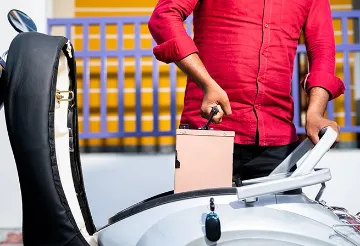
वाढत्या ऊर्जेच्या गरजांना प्रतिसाद म्हणून, भारताने बॅटरी स्वॅपिंग धोरण आणले आहे: एक आवश्यक परंतु पुरेसे पाऊल नाही.