-
CENTRES
Progammes & Centres
Location

As per the theme for Earth Day 2023, Indian businesses should invest in green solutions and embark on sustainable and green business models ...
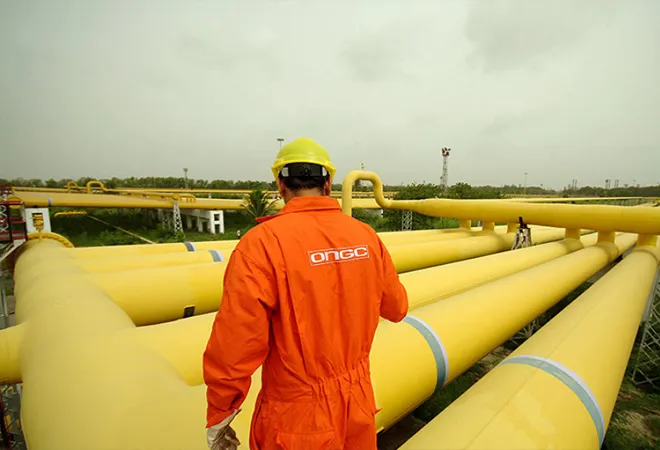
Replicating the success of Gujarat’s gas market across the country will be difficult but not impossible ...
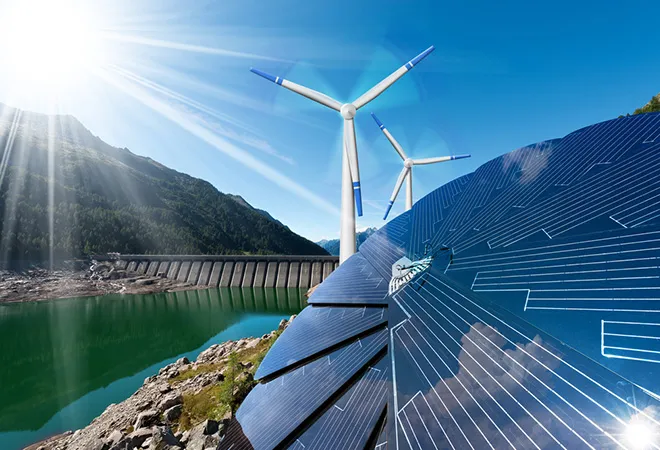
Public financial institutions such as MDBs and DFIs have to enter the fray to solve the long-term debt funding requirements of the RE sector ...
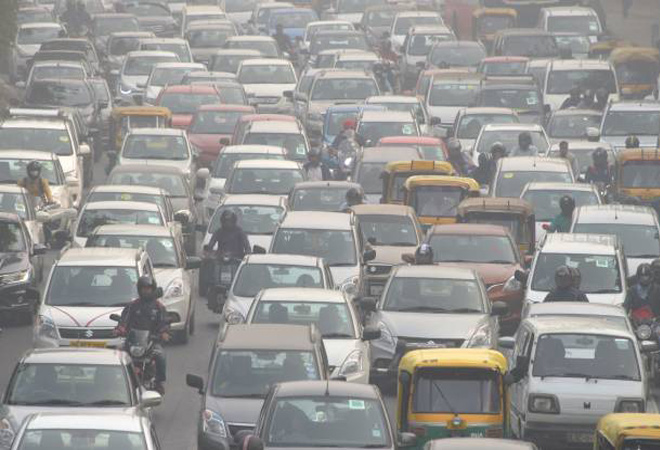
A policy of carrot and sticks would need to be adopted with affluent and low-income families to decarbonise transport in India ...

The changes in geopolitical alignments between oil-producing and consuming nations are likely to have a significant impact on petrodollar recycling in the short term. ...
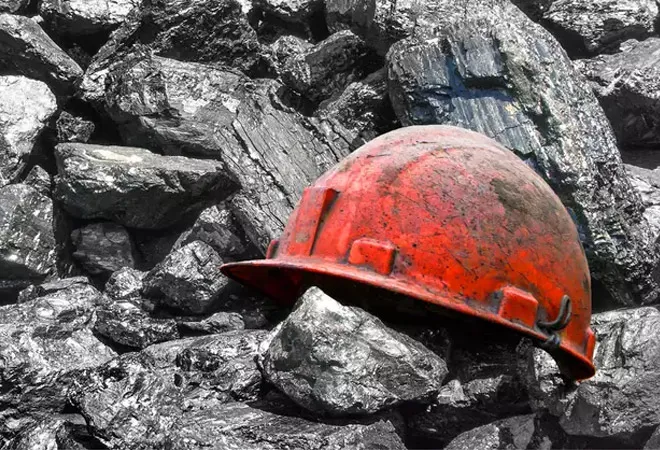
Overall, UCG has both strategic advantages and huge environmental and geological risks. India would have to weigh it out before proceeding ...
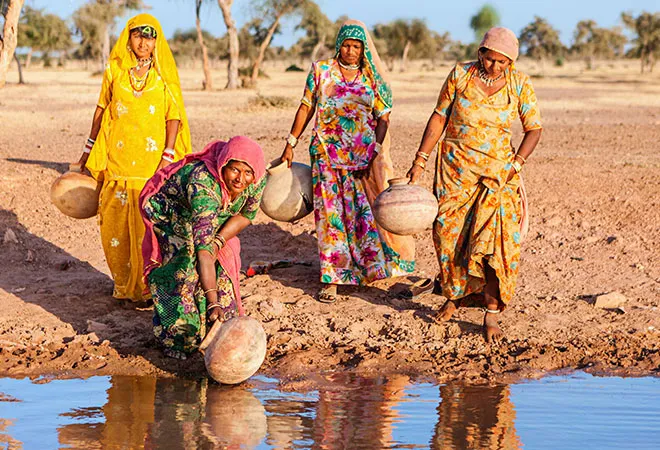
Gender-sensitising the Water Action Agenda would be critical to ensuring truly inclusive transformations ...

The rush to install RE capacity could come at the expense of forest cover thus increasing India’s annual carbon emissions ...
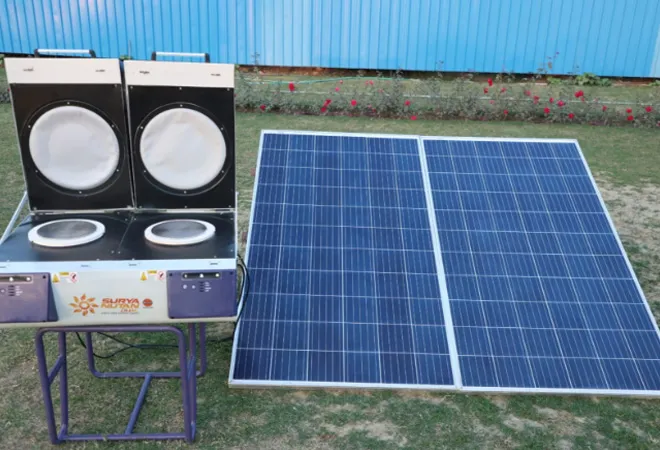
For alternative energy solutions to succeed, emphasis should be on availability, cost-effectiveness, and convenience ...

Advancing New Delhi’s agenda for the presidency, the formidable Union Budget 2023 has strongly prioritised the G20 objectives ...
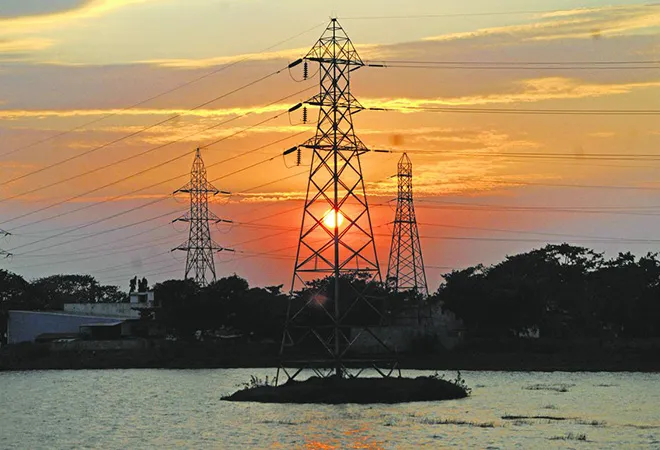
The privatisation of electricity distribution seems imminent as legislations aim to expand the role of the private sector in this domain ...

Establishing India’s “Intranational COP” can help thrash out a national consensus on India’s climate goals and the means to achieve them. ...

Target 3 of the new biodiversity framework represents significant commitment as it would require cooperation at a global level

Using geospatial technologies is an imperative step for India to make its industrial sector more resilient and sustainable ...
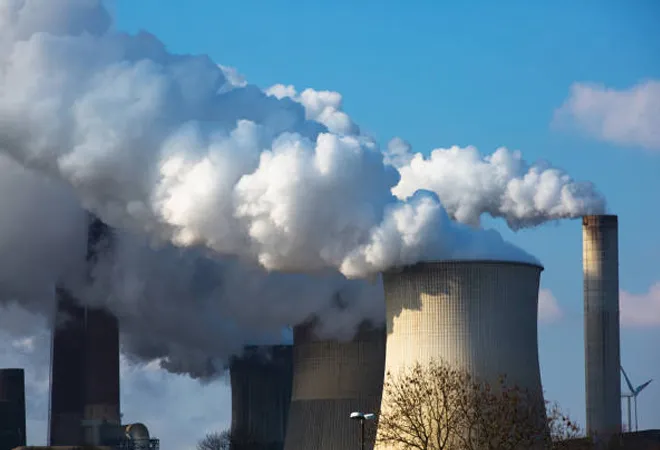
India must adopt blue-carbon solutions if it intends to emerge as a global climate leader ...

China’s missed opportunity presents India with an opportunity to offer credible climate leadership ...
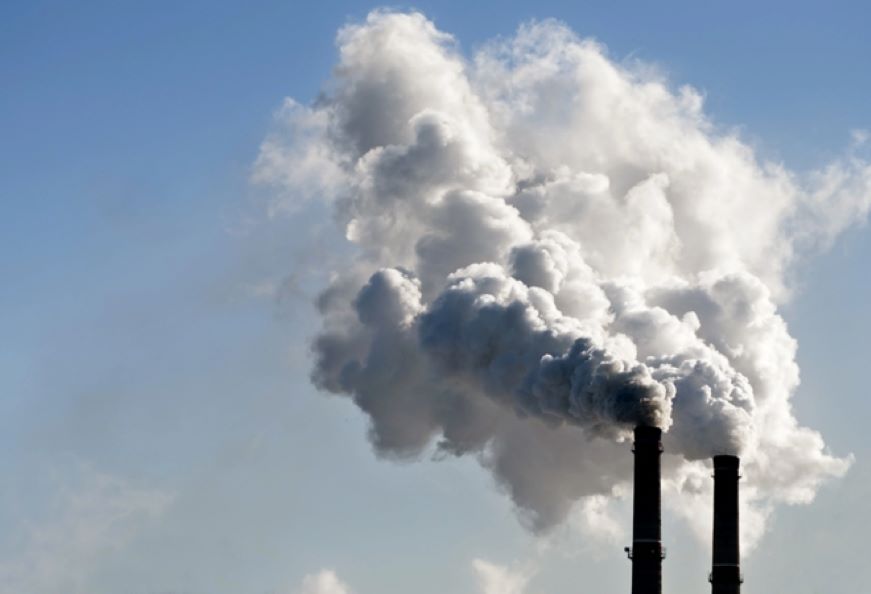
Adequate policy changes need to be adopted to reduce carbon emissions in buildings. ...
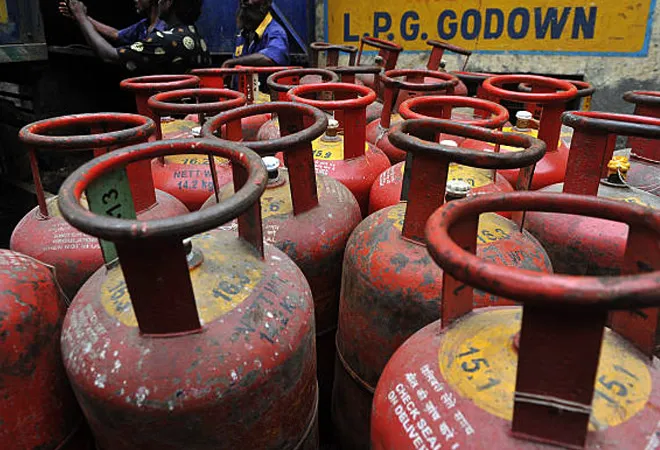
The free refill benefits during 2018-2020 led to a boost in the consumption of LPG in India. ...
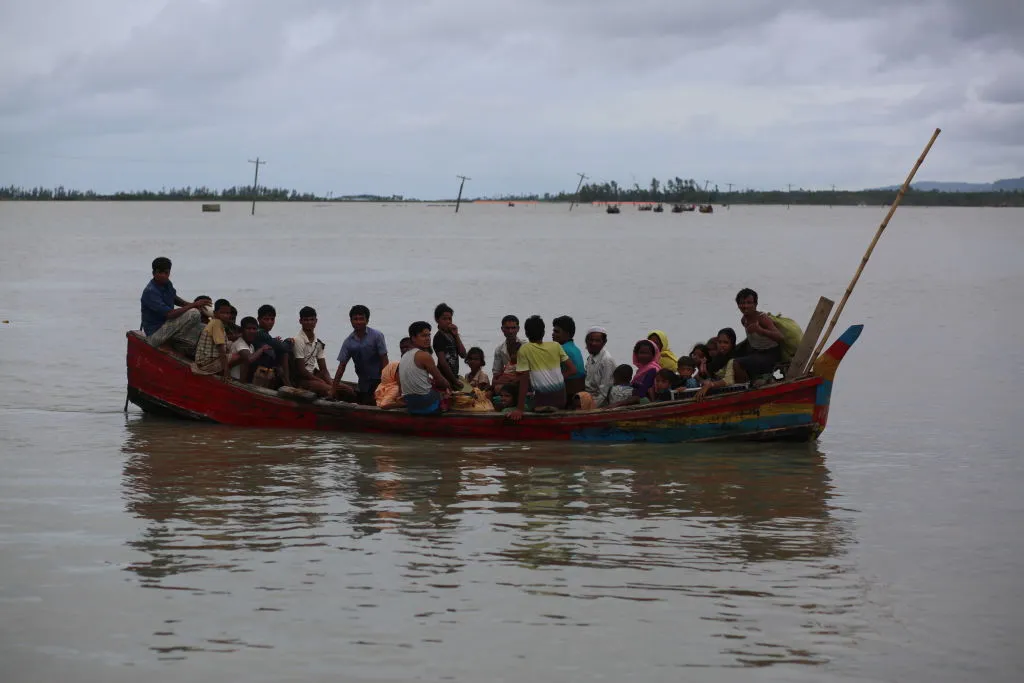
Adequate policies need to be adopted to mitigate the growing climate change-induced migrations. ...
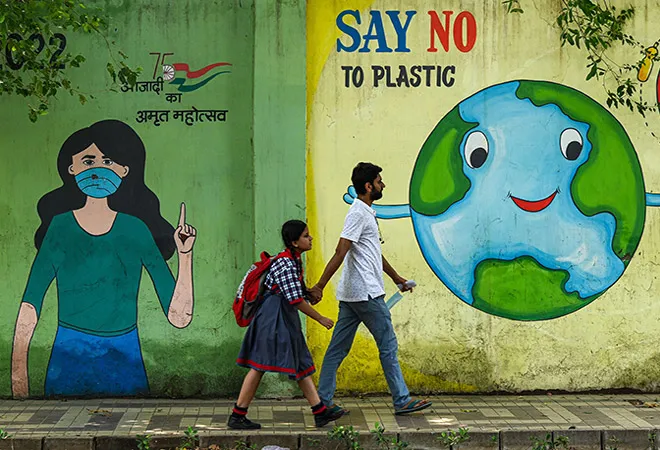
Five months have passed since the single-use plastic ban came into force but there is little visible impact on the ground. ...
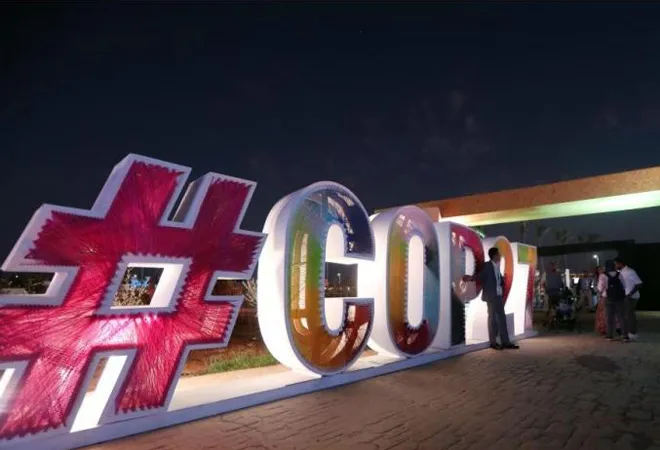
COP27 should strive to be a platform that keeps women at the heart of intergovernmental climate negotiations. ...

Although several options exist to address the troika of climate change, health, and food systems, there are hurdles in developing implementable and sustainable policies. ...
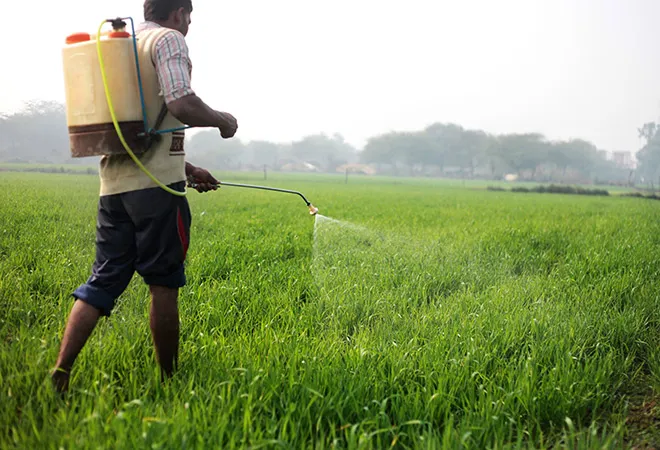
Global food insecurity is aggravated largely due to climate phenomena. The third brief of this four-part series explores the link between climate change and food security ...
.jpg)
K. M Gopakumar is a Senior Researcher and Legal Advisor at Third World Network (TWN) and based in New Delhi, India. TWN is an independent, not-for-profit organisation that carries out policy research and advocacy on issues around trade and development, ...
Read More +