-
CENTRES
Progammes & Centres
Location
10963 results found
Financial inclusion is critical to achieving the economic empowerment of women—one of the targets under the fifth Sustainable Development Goal on gender equality. In India, one in every five women lack access to a bank account. Although the country’s programmes promoting financial inclusion have increased the percentage of women having access to a bank account, wide gaps remain in account use, and access to savings and credit. Women c
The African continent faces escalating climate threats, with rising temperatures, sea-level rise, water stress, and extreme weather events causing widespread negative consequences. This brief argues for the need to build a business case for greater adaptation investment in Africa. Climate change is already causing significant economic losses, with African countries losing 2-5 percent of GDP annually, while adaptation investments could yield retur
In many African countries—some of the most unbanked areas in the world—digital banking applications are redefining what it is to bank in economies with shallow penetration of the formal banking sector, representing an innovative force that is breaking new ground in the long-standing challenge of financial inclusion. This brief explores the emerging world of fintech in the context of Africa, outlining why financial technology applications are

Focusing on financing sustainable development, in India and elsewhere, ORF organised a conference that explored the future of global financial architecture for development and highlighted the difference between financing and implementation.
As the world confronts multiple challenges which are intricately connected, our path for development stands at a crucial juncture. In the context of the embroiling polycrisis, progress on the sustainable development goals (SDGs) has been steady but fragile with major and persistent challenges. Financing for Agenda 2030 has emerged as a major bottleneck with several developing economies, especially the least developed countries (LDCs), low-income
Climate change has emerged amongst India’s most formidable challenges to sustained GDP growth. To accelerate the implementation of the country’s commitments under the Paris Agreement and advance its progress towards the Sustainable Development Goals, finance is key. India needs to develop a comprehensive strategy and an integrated policy approach that aligns the country’s financial systems with the long-term needs of the economy while incor
India’s target of achieving 175 GW of renewable energy capacity by 2022 might appear ambitious, but it is crucial as it will have a positive impact on the country’s economic growth, energy security and the fight against climate change. Financing is emerging as the key challenge to this vision, slowing down the pace of growth; as of December 2019, over 50 percent of the 2022 target is yet to be achieved. This brief outlines India’s existing
The existence of an embedded financial network of militant organisations in Bangladesh will seriously undermine the global effort to neutralise global terrorist networks entrenched in the region.
The Mullaperiyar dam agreement commits only the waters of the reservoir to Tamil Nadu. It does not guarantee supplies if the dam fell into disuse. So, a new agreement with commitments from Kerala for fixed supplies would be in Tamil Nadu's interest too.
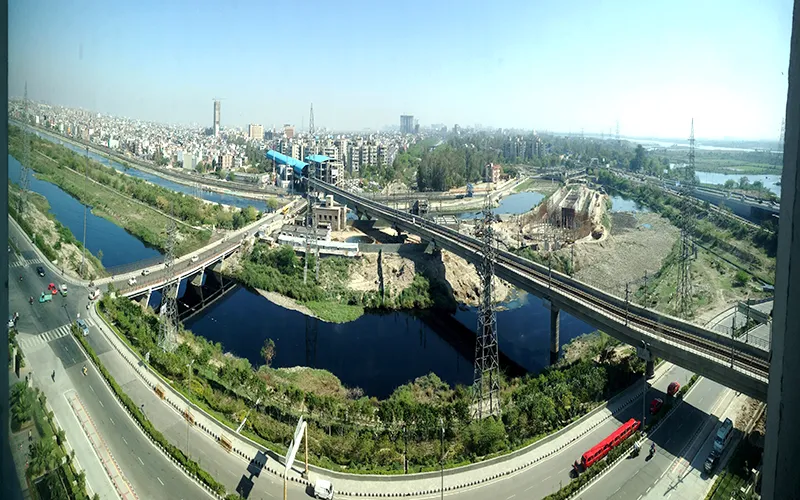
Financing of infrastructure in India will remain a big problem despite the fact that the government has issued infrastructure bonds with tax incentives. Finding external finance is thus very important because the amounts required would be in billions of dollars.

India and Nepal have a long history of bilateral ties founded on connections of history, culture and religion, but their relationship is also beset by border conflicts. Although the two have managed to maintain their amiable relationship despite these differences, they both would benefit from finding a sustainable resolution. This brief highlights the efforts of both India and Nepal to resolve their border disputes. It recommends crucial

Over three years since the February 2021 coup in Myanmar, the Association of Southeast Asian Nations (ASEAN) has made little progress in helping resolve the crisis despite releasing a ‘Five-Point Consensus’ (5PC) in April 2021. The political crisis that followed the coup poses a challenge for the ASEAN, which must now deliberate on ensuring not only the early implementation of the 5PC but also whether, and how, it should continue to abide by
Accumulated non-performing assets (NPAs) in the Indian banking system, specifically in the public sector banks (PSBs), have adverse effects on credit disbursement. An increasing amount of bad loans have prompted the banks to be extra cautious, which has dried the credit channel. Two components are key in resolving the NPA problem: the immediate task of resolving the current accumulation in the PSBs, and the more important long-term task of ensuri

Aiming to secure their marine resources in the Bay of Bengal, India and Bangladesh settled their maritime boundary in 2014. Despite the delimitation, however, fishers from both countries continue to commit unlawful forays into each other's sovereign waters, leading to the enforcement of punitive measures against those accused or convicted. Such incidents not only jeopardise the fishers’ livelihoods, but repeated occurrences also nettle relation
.png)
This paper analyses the patterns of virtual water trade (VWT) in agricultural products across the globe—VWT is the flow of water embedded in goods and services when they are traded—and the implications for alleviating water scarcity. Virtual water trade has been crucial in ameliorating water scarcity in virtual water-importing nations. At the same time, it has led to per capita water availability declining at a more rapid rate among the net v
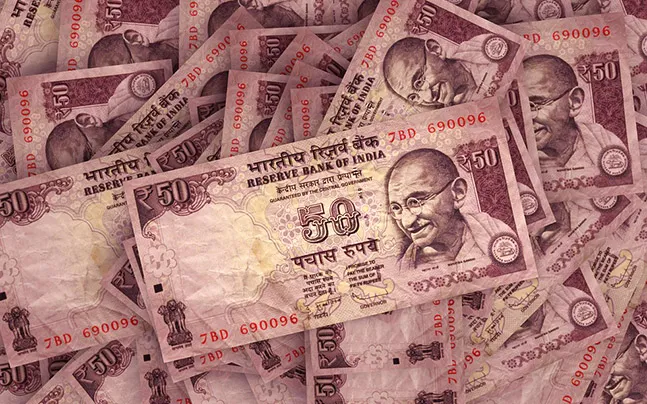
Exports are in free fall. The import bill is increasing as oil prices continue to rise under international oil cartel's diktats. Fiscal anyone?

In 2015, the United Nations agreed to end hunger in all forms by 2030. While India has committed itself as a stakeholder in the 2030 agenda for development, its own record in reducing hunger has been less than satisfactory. Latest data from the National Family Health Survey-4 show an improvement in nutritional indicators of children under-five. However, there are huge differences across states and social groups. Nutrition should thus remain high
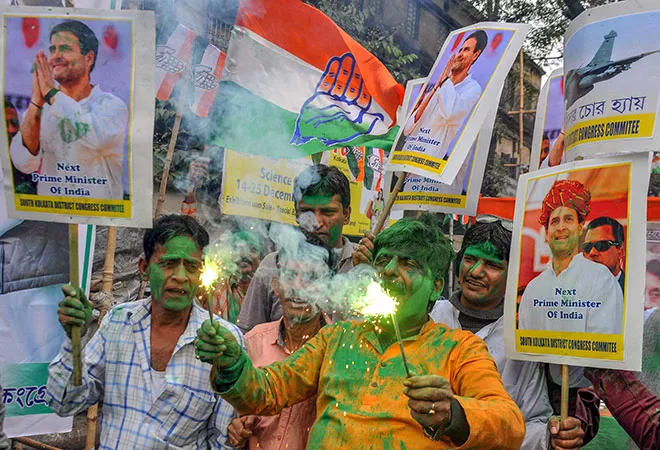
All these issues will be in play in the 2019 Lok Sabha elections, which explains whether this was a preview of the general elections.
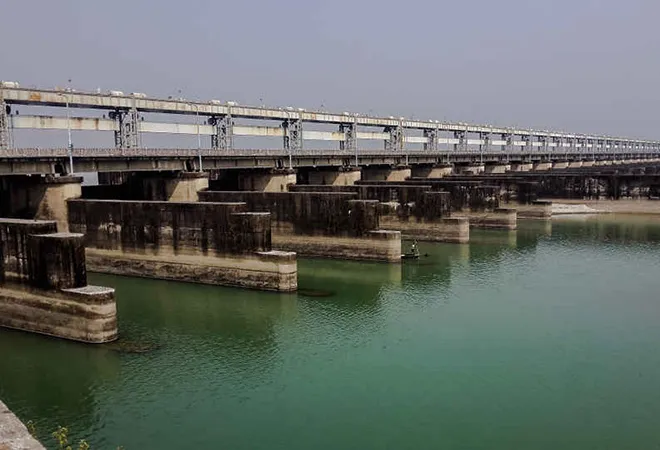
For Bangladesh and India, the imminent expiry of the deal presents opportunities for exploring the appropriate mechanisms for governing flows in river basins
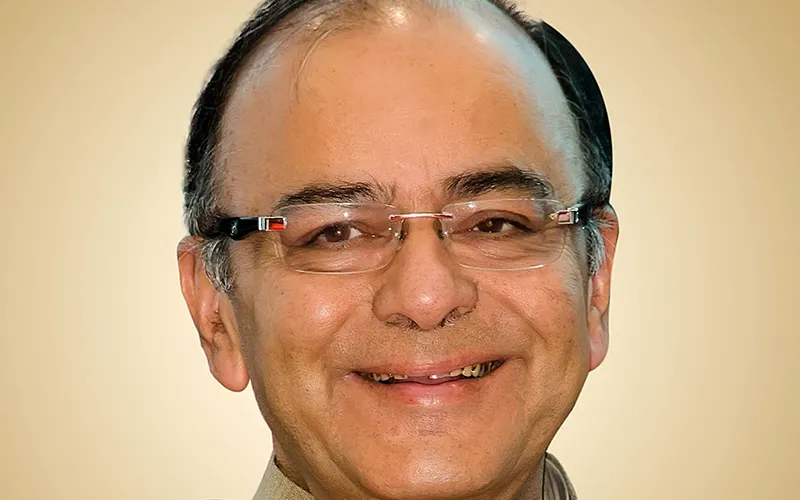
The Union Finance Minister surprised many with his social sector-centric budget. No one expected the Modi government to go for enhancing the MNREGA by Rs 5000 crore or to have a huge kitty of subsidies ($37 billion) aimed at the poor. There seems to be a vision towards giving India a universal social security system for all and especially the poor.
India-Bangladesh relations got a major boost following the meeting between India's External Affairs Minister Sushma Swaraj and Bangladesh's Foreign Minister Abul Hasan Mohammad Ali this week.
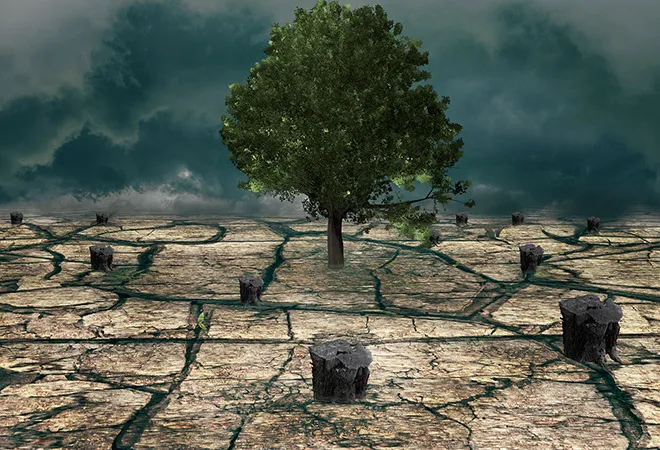
For poorer countries, funds for ‘adaptation’ make more sense than ‘mitigation’. A retreat from climate hotspots is to be explored

The traditional urban narrative does not conceive of the relationship between food and city in direct terms. In this narrative, urbanity can be industrial, technological, cultural and innovative—and by extension, its spaces can host factories, institutions of all kinds, governments and corporations, and entrepreneurs. But urbanity cannot be agricultural—and by extension, its spaces cannot host fields, seed banks, poultries, dairies and anythi
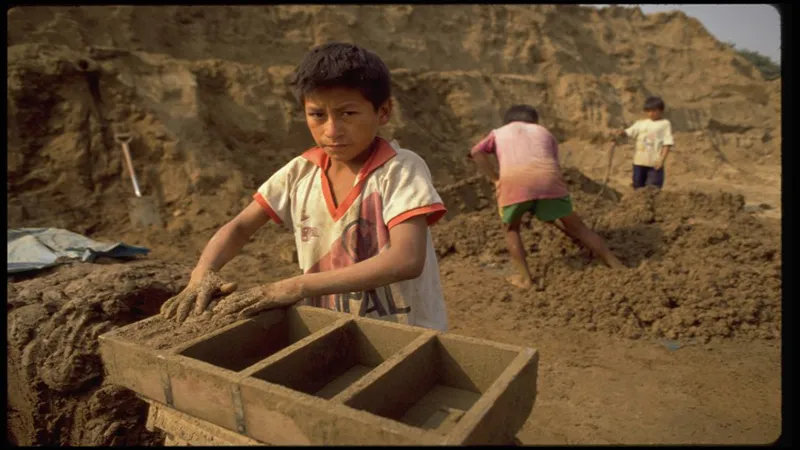
In the case of trafficked children in India, excesses or oversights are commonplace. Gaping holes in the existing system of home enquiry lead to inaccurate assignations on the part of courts and concerned agencies.
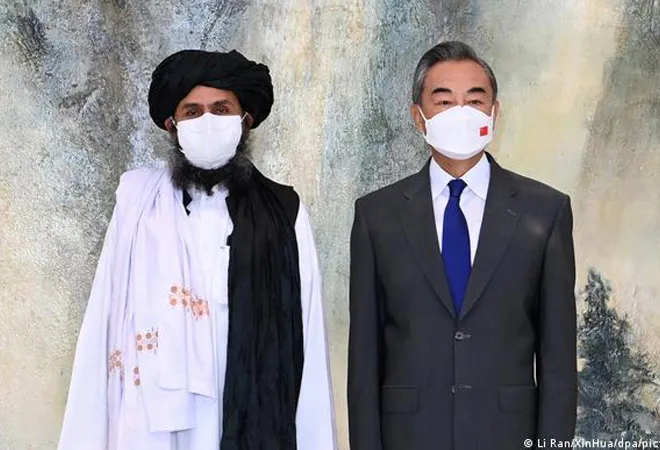
Conflict resolution and political problem-solving in other countries are not traits that Chinese diplomats excel at. It remains to be seen how China walks this tightrope in Afghanistan, which remains a fractured crucible of contradictory ethnic and political interests
The luxury bus leaves downtown Cam hotel to Qassion mountains for a panoramic view of the world's oldest, continuously inhabited city, Damascus. The picture has to be sketched because outside Syria everyone is counting on the level of chaos we did not see.
Russia’s invasion of Ukraine has led to a full-fledged international armed conflict, and the Ukrainian president has issued a call to people across the world to join the country’s battle through the International Legion of Territorial Defence (ILTD). At the time of writing, 500 Indians have submitted applications to join the ILTD, and one is already in the force. This brief contextualises the rise of Indians fighting ‘foreign’ war

As the US Presidential elections unfold, Republican candidates would be thoroughly tested on their merit of thinking creatively on issue-based solutions to global challenges and exploring facets of diplomacy and non-military aspects of foreign policies in contrast to the focus on military interventionism and a hawkish vision of American policies abroad.
In not agreeing to have a parliamentary resolution against Sri Lanka, the Parliament has demonstrated where politics ends and policy-making on a sensitive area as external affairs and neighbourhood relations begin.
Indian Foreign Secretary Ms Nirupama Rao has suggested joint management of fisheries resources, alternative methods of fishing and examining alternative livelihood to resolve the fisheries disputes between countries in the South Asian region.
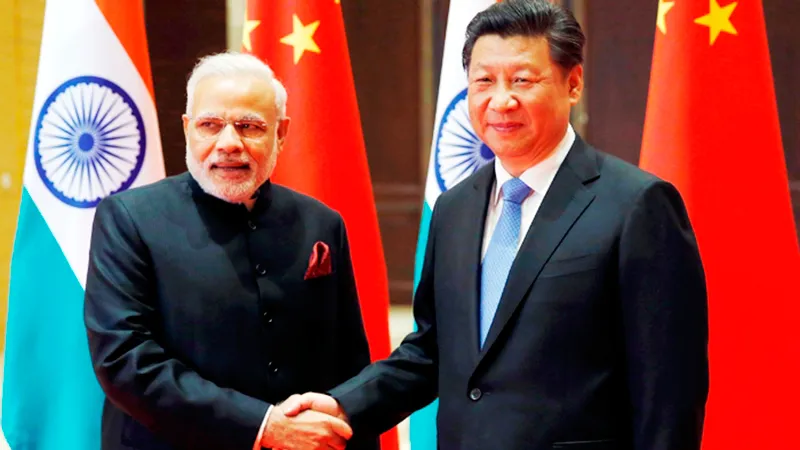
India's total trade deficit with the world now is USD 13472.18 millions. A major component of Indian exports is agricultural commodities. The northeastern region performs well in horticulture. However, challenges to the produce finally turning into exports remain unaddressed for long.
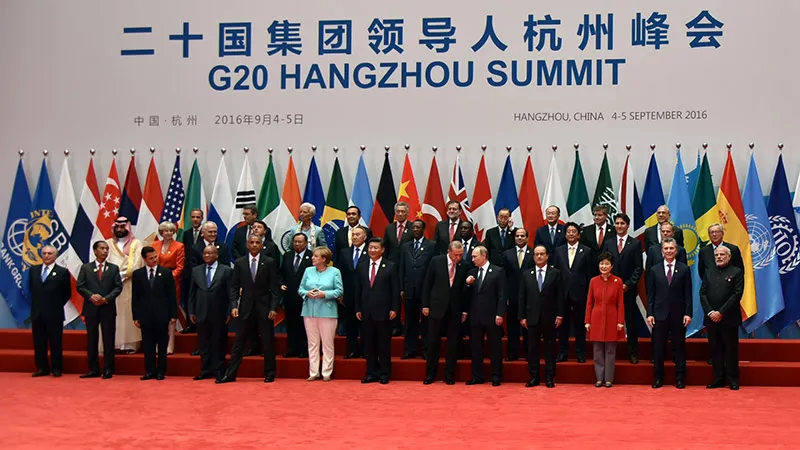
The Hangzhou G20 summit was about taking stock of the economic situation in a world where global recovery from the 2008 crisis remains sluggish.

China’s approach to trade has stood impervious to change. It is time for a new geoeconomic approach to counter China. Like-minded nations can fashion rapid arrangements to grow the supply chains that matter most, such as for electric vehicles (EV). The US and India, plus Australia, Canada, Japan, Britain, Taiwan, Korea, and Mexico can form an EV supply chain compact to create a level playing field within the group and incentivise their
Over the past decade, Mumbai’s civil society has raised concerns over the way in which the municipal corporation appears to be prioritising rapid development at the cost of the city’s public space. Indeed, the city has lost significant areas of its open spaces owing to various reasons, among them archaic policies, unrealistic goals, and the labyrinthine division of power and jurisdiction between the Brihanmumbai Municipal Corporation and othe
Nearly 20 million people in Nigeria, Somalia, South Sudan, and Yemen are facing what has been described as the largest food crisis in the world in 70 years. Conflict is the main reason behind these famines, abetted by drought, climate change, poverty, and the existing vulnerability of the people in these countries. Security issues have led to a dramatic decline in agricultural production and have adversely affected the supply and distribution of
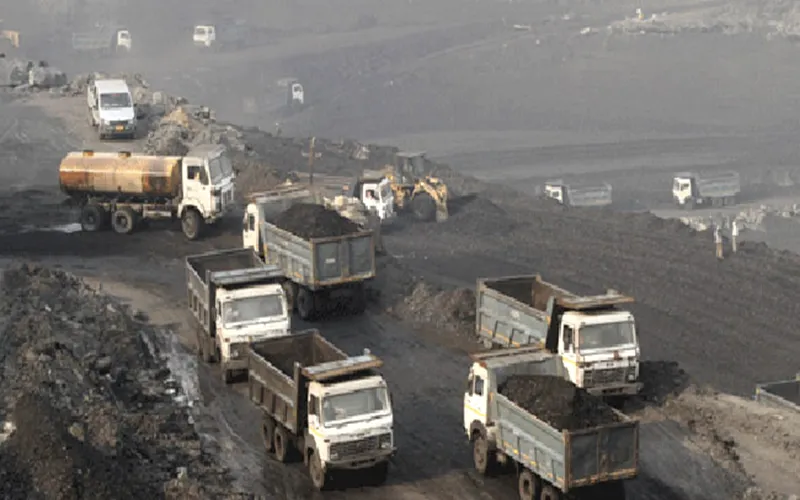
In all the hype and hyperbole about what to do with coal blocks, the plain fact is that the real danger lies in our coal reserves turning valueless for the country, of no benefit to the owner - the people of the land. They will be value less if we don't extract them before they turn un-burnable by climate action a few decades from now.
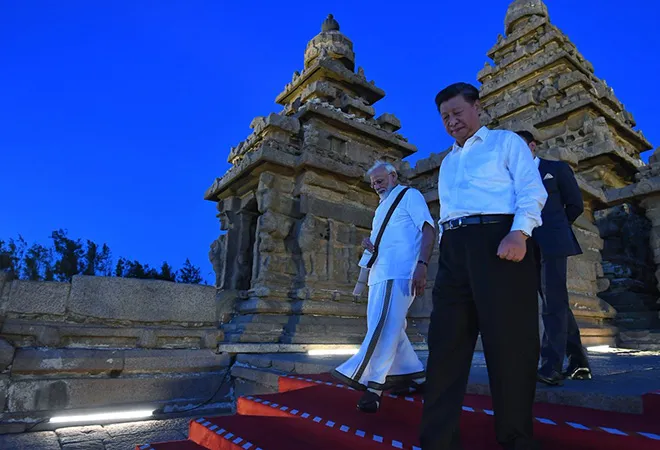
Competition, cooperation, conflict and containment need to be managed wisely

On August 12, 2016 the Observer Research Foundation convened the first in a series of multistakeholder roundtables on encryption. This report is the outcome of the discussion of issues and proposal of solutions conducted at the roundtable. Being a complex, technical-legal question around access to data for law enforcement, encryption has long been a contested issue. Creating best-in-class regulation on encryption will require targeted interventio
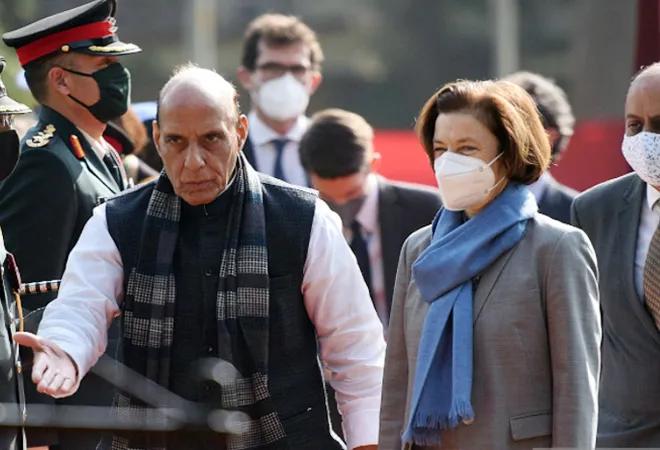
France has continued to remain one of India’s trusted strategic partners, with cooperation extending across many issues.
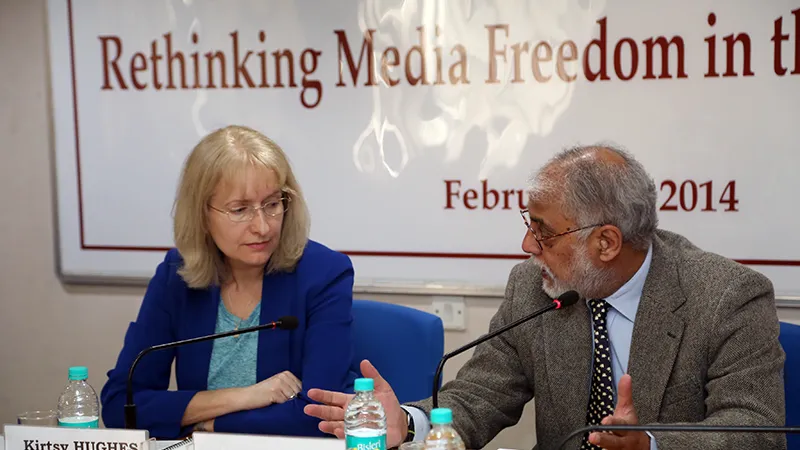
In this digital age, how free speech is dealt with in a multipolar world, and the emergence of the new and complex forms of censorship were discussed in a talk on "Rethinking Media Freedom in the Digital Age" at the Observer Research Foundation.
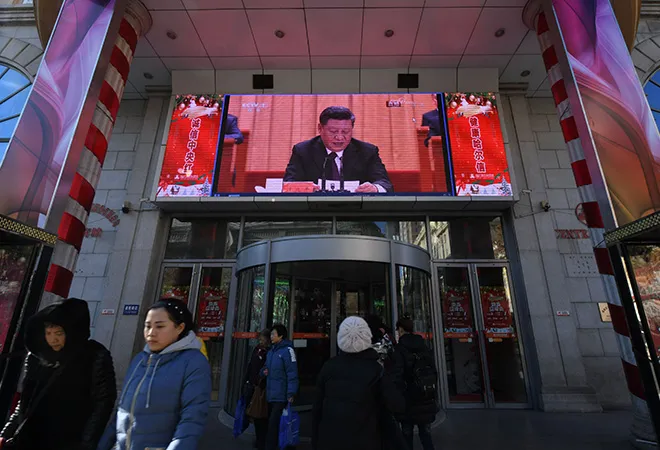
China remains a superpower in the making but its journey has now become profoundly more difficult
Better policing, if nothing else, could help eliminate the existing air of permissiveness and re-introduce a sense of security in women - and also in men - inside their homes and outside - than at present.
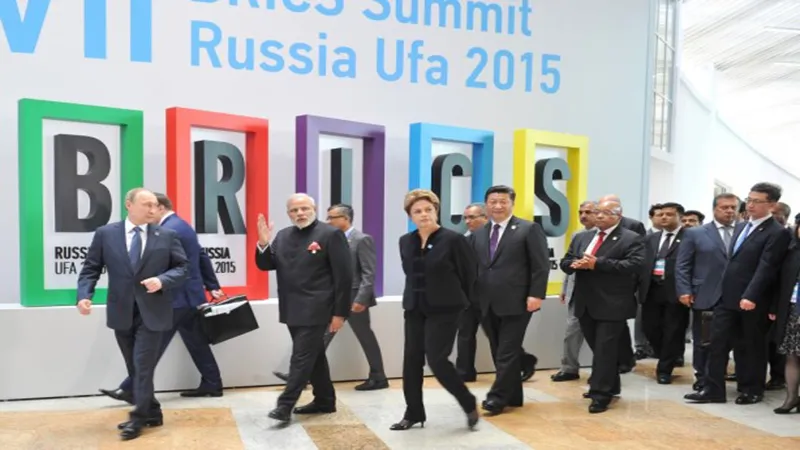
The 77-paragraph outcomes statement from the Ufa BRICS summit was inevitably going to be a list of ideas that would cater to different expectations and aspirations of each of its members.
If there is one thing on which all the ¿Dravidian parties¿ of Tamil Nadu stand united today, it is their criticism of the Union budget, presented by fellow Tamil leader Palaniappan Chidambaram. In doing so the DMK, the PMK and the MDMK, allies of the Congress at the Centre, have restricted their criticism to the proposed tax on the daily withdrawal of money from one¿s own bank account.
Cities across the globe are increasingly using materials such as concrete, which store more thermal energy than natural materials and absorb sunlight rather than reflecting it, warming their surroundings. This ‘urban heat island’ (UHI) effect has consequences on health, ranging from heat exhaustion to cerebrovascular events and circulatory failures resulting in death. Compounding the challenge is that the impact of extreme heat on health is u
Most leading air forces around the world were quick to learn from the experiences of the US Air Force between the Vietnam War in the 1960s and the Gulf War three decades later. This resulted in the widespread adoption by these forces of Precision Guided Munitions (PGMs) beginning in the mid-1990s. Only a few of these air arms, however, have matched the overall effectiveness of US air power, which combines aircraft survivability with weapon range,
Eighty-eight innocent civilians, about 60 of them Egyptians, and the remaining believed to be foreign tourists, were killed in three well-synchronised explosions by unidentified terrorist elements at the Red Sea resort city of Sharm el-Sheikh in Egypt on July 23,2005.The city is a popular tourist resort on the Red Sea at the tip of the Sinai Peninsula.