10 results found
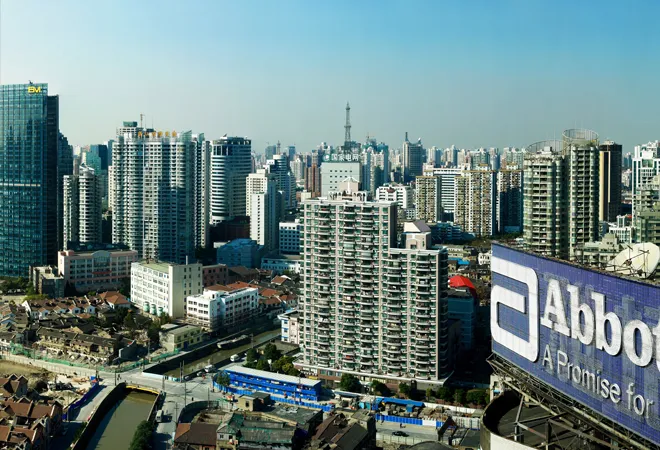
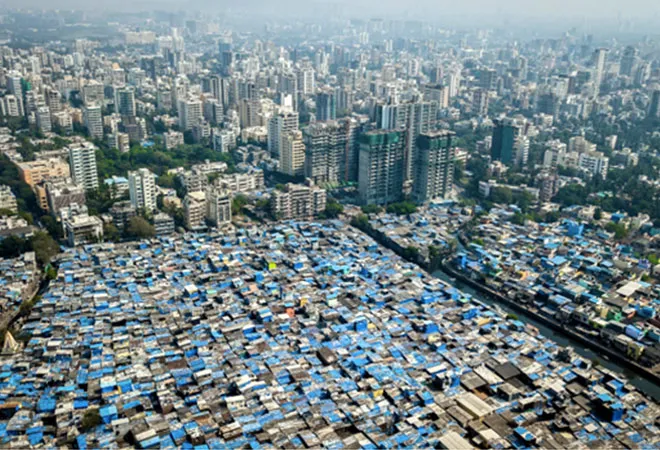
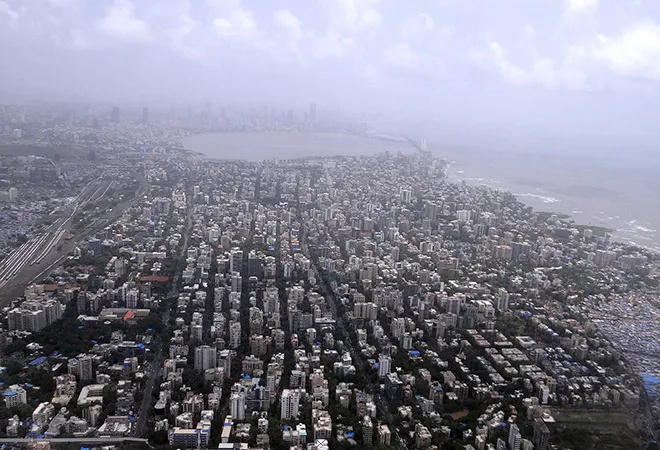
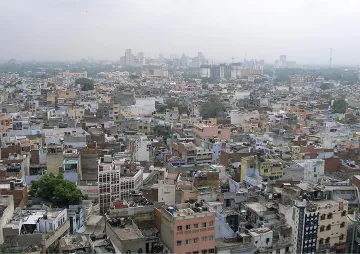
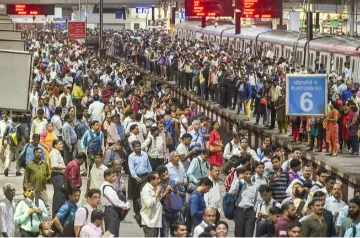
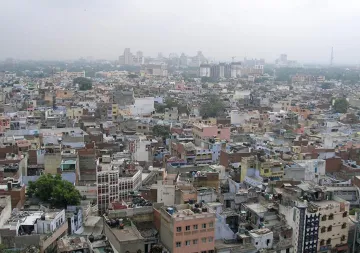
The urban nature of the pandemic becomes clearer when we consider the megacities and the large Indian cities.
While megacities generate mega economy, they hurtle down the hill on almost all benchmarks of livability — a way must reverse this trend.
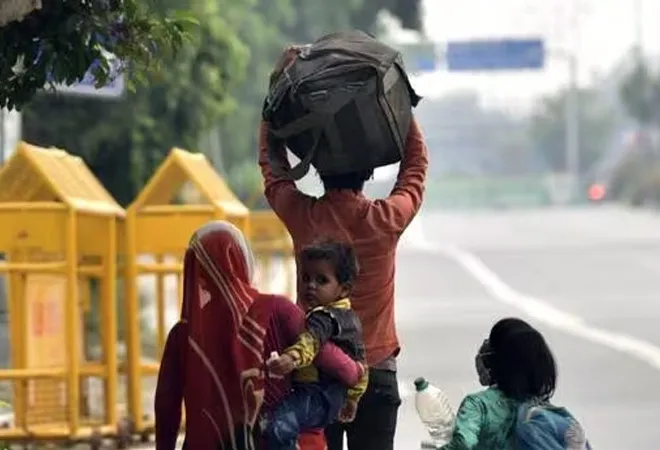
Population relocations driven by economic reasons or caused by land speculation have led to people settling in peri-urban areas (or areas in the periphery of the urban). The in-migration of population and emergence of new activities is transforming such areas, as seen in changes in land use and occupational patterns, reduced farm activities, and growth of built structures. Inadequate planning and governance of peri-urban areas by local government
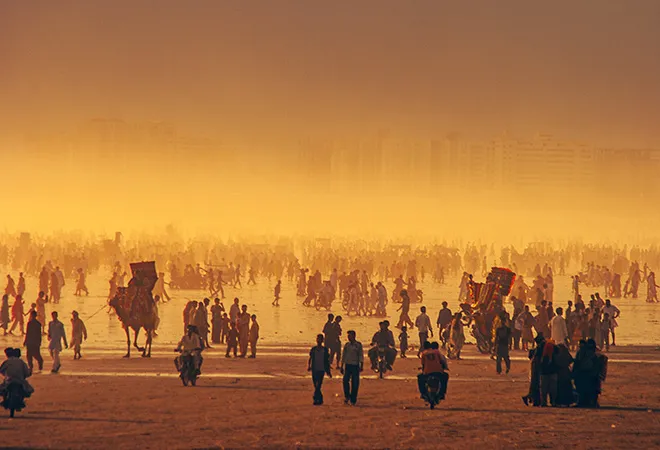
High-density urban agglomerations may be sustainable in terms of the economies of scale their populations provide. Yet, as proven by the ongoing COVID-19 pandemic, these same urban spaces are nearly defenceless in times of unprecedented disease outbreaks. A pandemic poses many risks to the millions who live in dense megacities, whether in wealthy countries or developing ones. The sheer density of the population of these cities provides an ideal e

In the long⎯term, new cities can adopt a ‘decentralised urbanisation’ approach, where stronger linkages between urban and rural areas should be drawn up. The two areas can co⎯evolve leading to a loss of traditional distinctions between them.
आज देशातील शहरे महागडी, पर्यावरणघातकी आणि रोगट जीवनशैली देत आहेत. या सर्वाचा उलटफेर करण्यासाठी एखादा शाश्वत मार्ग शोधून काढावा लागेल.
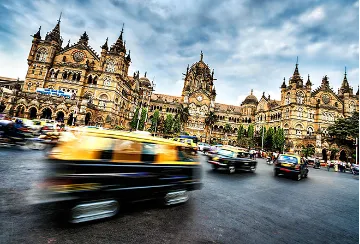
The megacities of India have multiplied their populations way beyond the projections arrived at by population studies undertaken by demographic experts.
A global platform can be one where cities learn from each other, share best practices, discuss challenges — and seek solutions together.
विकेंद्रीकृत शहरीकरणात गुंतवणूक करून भारताने आपल्या नागरिकांचे चांगले भविष्य घडवावे, याची जाणीव जागतिक लोकसंख्या दिनानिमित्त व्हावी.