28 results found
ये टिप्पणी अभी चल रही USIPS NED परियोजना का हिस्सा है. उत्तर पूर
As heatwaves scorch classrooms, floods wash away infrastructure, and smog chokes our cities, climate change is no longer a future threat but a frequen
अगर हिंद प्रशांत क्षेत्र को दुनिया की अर्थव्यवस्था का के
धोरण स्तरावर, व्यावसायिक आरोग्य मार्गदर्शक तत्त्वांमध्
At the policy level, there is a need to integrate climate risks into occupational health guidelines and to develop innovative solutions to ensure the
Electrification of private buses is imperative for effective sector-wide decarbonisation.
भारत में महिलाओं पर लू और पानी की कमी के असर को देखते हुए म�
महिला व मुलींच्या कल्याणासाठी व सक्षमीकरणासाठी सर्वसमा
The gendered impacts of heatwaves and water scarcity in India underscore the urgent need for comprehensive strategies that prioritise the well-being a
हवामान बदलामुळे विद्यमान आरोग्यविषयक असुरक्षा कमालीची
Climate change is intensifying existing health vulnerabilities. Placing health at the heart of the climate justice movement is thus essential for mean
हवामान बदलाशी जुळवून घेणे आता ऐच्छिक राहिलेले नाही. परिस
Adapting to climate change is no longer optional. Failing to adapt will lead to severe human, economic, and environmental losses.
Climate change is the single biggest health threat facing humanity, and developing nations of the Global South are expected to be the most vulnerable
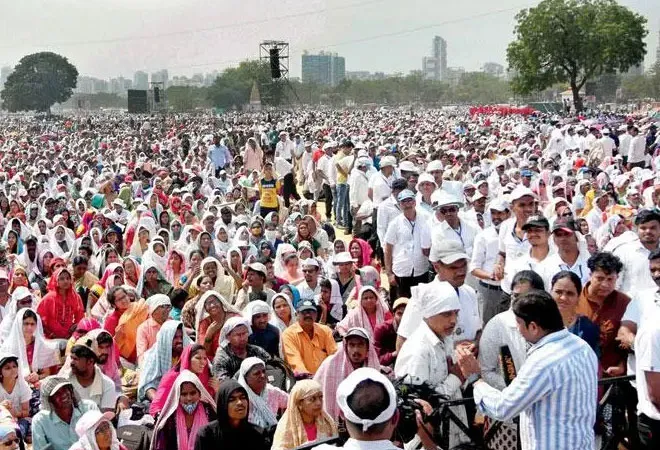
India must learn from the Kharghar tragedy and adopt several measures to prepare for and tackle the impact of heatwaves.
भारत में झुलसाती गर्मी की मौजूदा स्थिति लोगों की सेहत पर �
The current heat wave situation in India is a wake-up call for the need to address the impact of changing climate on public health
UN Secretary General links WMO report with Earth Day 2023 slogan—‘invest in our planet’
This year’s theme for the Earth Day, ‘Invest in our planet’, is a pivotal point in history as the need to adapt and mitigate the triple planetar
India’s critical water infrastructure must be built to withstand, respond to, and recover rapidly from climate disruptions
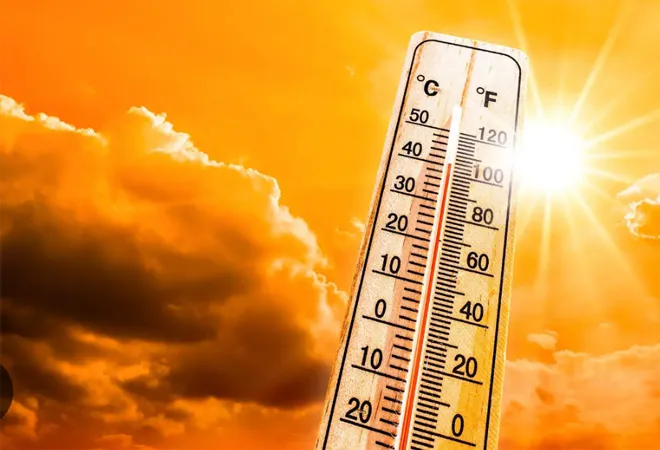
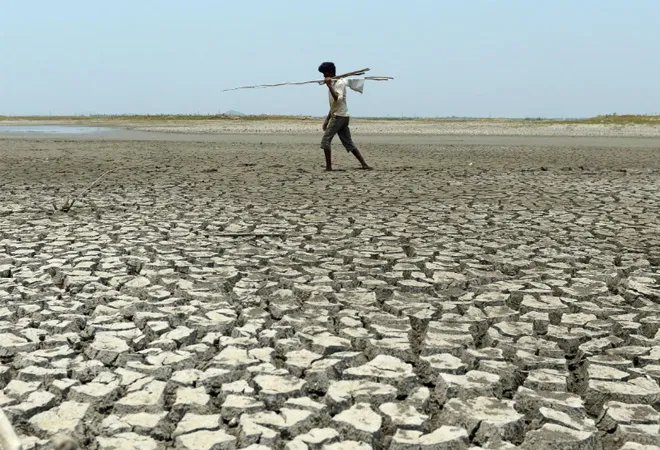
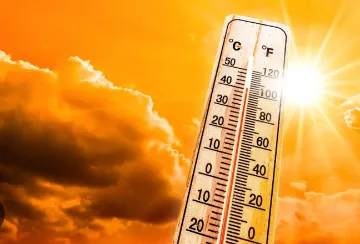
Among the most severe consequences of climate change is the global rise in average temperatures, and the resultant increase in the frequency and intensity of heatwaves. Cities are particularly vulnerable to heatwaves as their high built density absorbs and retains heat, leading to higher temperatures than the surrounding areas and causing the ‘heat island’ effect. India’s northwest region routinely experiences abnormally hot days during the

Climate change has now evolved into a systemic risk that is reshaping economic systems, governance structures, and the landscape within which India’s fiscal federalism operates. As climate impacts intensify, the existing foundation of inter-governmental fiscal transfers is being tested. As the 16th Finance Commission embarks on releasing its recommendations this year, it faces a critical opportunity to strengthen the alignment between India’s
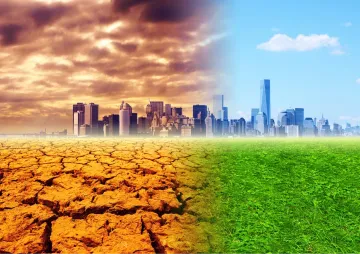
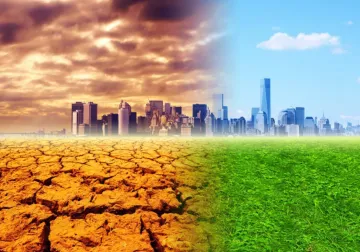
Relentless urbanisation often has a heavy environmental cost, arising from activities such as the consumption of fossil resources to fuel industrialisation and infrastructure development. The resulting surge in greenhouse gas emissions is one of the biggest contributors to climate change, which leads to frequent extreme weather events such as floods, droughts, and heatwaves. Such events pose an existential threat to human life, infrastructure, an
For building resilient cities in India, involvement of the private sector is a must
हवामानातील अडथळ्यांना तोंड देण्यासाठी, प्रतिसाद देण्यासाठी आणि त्यातून वेगाने सावरण्यासाठी भारताने महत्त्वपूर्ण जल पायाभूत सुविधा तयार केल्या पाहिजेत.