-
CENTRES
Progammes & Centres
Location
20 results found
उर्जा क्षमता, पारदर्शक कार्बन उत्सर्जन अहवाल आणि अक्षय उ
The US and India must work together to balance AI innovation with sustainability by focusing on energy efficiency, transparent emissions reporting, an
যদিও চিন বর্তমানে গুরুত্বপূর্ণ খনিজ সরবরাহ শৃঙ্খলে আধি�
Although China currently dominates the critical minerals supply chain, an India-Australia partnership can form an important counterbalance
भारत को अगर नेट-ज़ीरो कार्बन उत्सर्जन के लक्ष्य को हासिल �
कार्बन उत्सर्जन निव्वळ-शून्य करण्याची भारताची वचनबद्धत
India’s net-zero commitment depends on robust policies and strong institutional frameworks for decarbonising its transport sector.
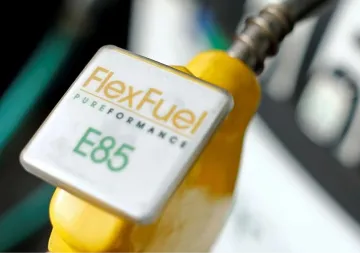
भारत जसजसा पुढे जात आहे, तसतसे फ्लेक्स इंधन त्याच्या स्व�
As India forges ahead, integrating flex fuels into its cleaner and greener mobility narrative becomes essential, heralding a more sustainable future
একটি ন্যায্য ও সবুজ পরিবর্তনকে অবশ্যই গ্লোবাল সাউথের অর�
A just and green transition must respond to the economic and labour systems of the Global South can unlock the real potential for green employment gen
अनिश्चितता के इस दौर में, भारत लगातार दुनिया की मदद कर रहा
It is important to differentiate between physical capital as produced means of production in contrast to natural capital which is naturally endowed. The latter facilitates a host of ecosystem services[i] that flow through human processes, both societal and economic. Unlike physical capital, natural capital cannot be substituted easily. Therefore, this stock of natural capital processing into the flow of ecosystem functions need to be valued and
With natural resources being exploited beyond scope of regeneration, excessive pollutants accumulating in the biosphere, and ecosystems and biodiversity undergoing life-threatening degradation, industrial policies that steer investment towards a greener economy have become an imperative. This paper examines the green component of the industrial policies of 14 Indian states which have been found to be responsible for more than 80 percent o
China’s Belt and Road Initiative (BRI) is central to the country’s ambitious policy reorientation. The energy sector accounts for nearly 40 percent of all investments under the BRI, with significant geostrategic and geoeconomic implications. In recent years, China has adopted a “greening the BRI” strategy, emphasising green energy projects. This brief analyses China’s BRI investments in the energy sector to establish the potential trend