26 results found
जागतिक अन्न दिन 2025, जो युनायटेड नेशन्सच्या अन्न आणि कृषी स
विश्व खाद्य दिवस 2025 इस बात पर ध्यान दिलाता है कि नीति-निर्�
As FAO marks 80 years, World Food Day 2025 highlights the urgent need for inclusive, sustainable partnerships to end hunger and strengthen food securi
अन्न असुरक्षितता आणि मानसिक आरोग्य यातील चक्र खंडित करण�
To break the cycle between food insecurity and mental health, initiatives need to be undertaken that directly target mental health issues
शाश्वत विकास उद्दिष्टे साध्य करण्याकरता लैंगिक सबलीकरण
Gender empowerment and food security are deeply interconnected, with profound implications for achieving sustainable development goals
The Global South experiences a disproportionate impact of climate change which in turn leads to food insecurity
भारत को अपने यहां कुपोषण की चुनौती से उबरने के लिए अधिक सम
A more holistic approach needs to be adopted for India to overcome its malnutrition challenge.
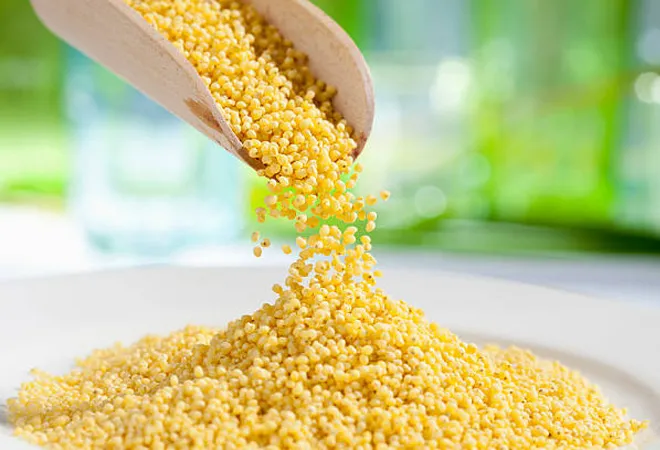
Urging the world to focus on the overall advantages of growing and consuming the climate-resilient crop 'Millet', as the crop offers hassle-free produ
Given the rapidly growing population, resource constraints and climate change concerns, accompanied by the impacts of the COVID-19 pandemic — it is
Human economic ambitions have led to such interventions over the natural ecosystem that it has impaired the ecosystem processes and the capacity of ec
India needs to enhance its programme effectiveness and reach. It calls for proactive measures and scaling up of innovations required to address malnut
In states such as West Bengal, the purpose of holding a ration card is still of utmost importance for procurement decisions. The low level of digitisa
Higher growth and higher export earnings based on exports of natural resources will not help Africa achieve the zero-hunger goal.
Both Africa and India continue to have the highest percentage of under-five children who are undernourished.
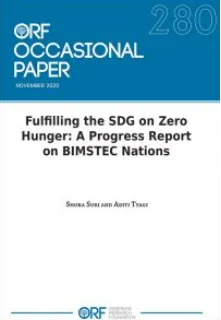
The countries of BIMSTEC, or the Bay of Bengal Initiative for Multi-Sectoral Technical and Economic Cooperation, are working to translate the Sustainable Development Goals (SDGs) into action plans to ensure access to adequate and nutritious food. They are transforming their food systems based on their priorities and capacities to fulfill, in particular, the 2030 SDG Goal 2 that aims to “end hunger, achieve food security, and promote sustainable
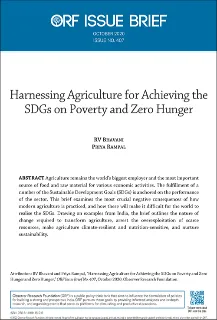
Agriculture remains the world’s biggest employer and the most important source of food and raw material for various economic activities. The fulfillment of a number of the Sustainable Development Goals (SDGs) is anchored on the performance of the sector. This brief examines the most crucial negative consequences of how modern agriculture is practiced, and how these will make it difficult for the world to realise the SDGs. Drawing on examples fr
Across the globe, the COVID-19 pandemic has had a massive impact on food and nutrition security. Efforts to meet Sustainable Development Goal (SDG) 2 on Zero Hunger have been stalled, and it is estimated that an additional 137 million people faced acute food insecurity as 2020 ended. The reasons are many: interrupted food supply chains, high levels of unemployment, loss of incomes, and rising food cost. Climate change and the resultant extreme we

India needs to act now by enhancing its programme effectiveness and reach.
Food insecurity and mental health issues are linked in a syndemic relationship, where their interplay exacerbates negative outcomes, particularly among vulnerable populations. Chronic food insecurity contributes to psychological distress and depression, creating a self-perpetuating cycle that hinders access to adequate nutrition and undermines mental well-being. This bidirectional dynamic is further influenced by socio-economic disparities, gende
भोजन असुरक्षा एवं मानसिक स्वास्थ्य मुद्दे में सिंडेमिक रिलेशनशिप अर्थात दो महामारियों के बीच पारस्पारिक संबंध है. इस सिंडेमिक संबंध की वजह से दोनों के बीच की परस्पर क्रि�