-
CENTRES
Progammes & Centres
Location
19 results found
भारत इलेक्ट्रिक गतिशीलतेकडे (electric mobility) झपाट्याने वळत असता�
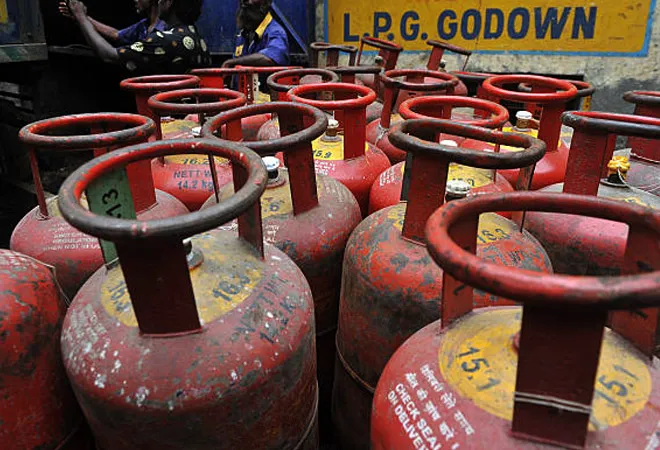
एलपीजी हे जीवाश्म इंधन असले तरी ते पेट्रोल आणि डिझेलपेक्
इतर गरजा पूर्ण करण्यासाठी विजेचे महत्त्व वाढत असल्याने,
ऊर्जा आणि सार्वजनिक आरोग्य यांच्यात एक मूलभूत दुवा आहे. �
There is a fundamental link between energy and public health. In advancing health, energy security is critical.
LPG subsidies, and other energy access programmes, continue to be a major point of contention for India.
Adapting a more multi-dimensional framework for measuring energy access that could capture gender disaggregated data and indicators would push for a m
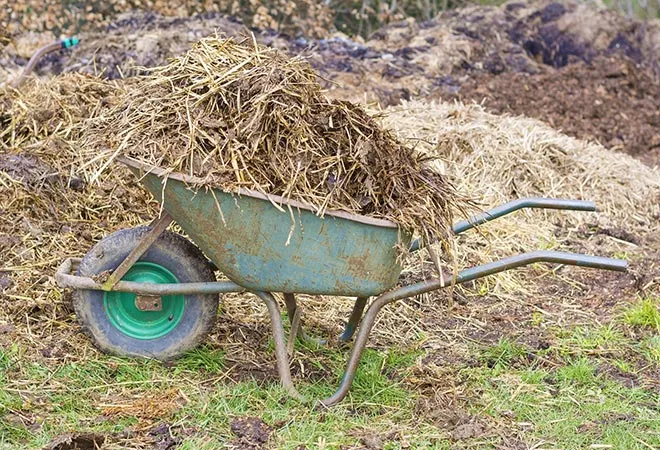
Processing bio-waste to bio-fuels and compost will enhance clean energy energy access as well as improve soil fertility.
India's macro position on equity at international fora such as Rio +20 must be reflected in its domestic resolve to offer energy equitably to its diverse population. The imperatives of creating a 'green economy' must only follow and complement such efforts.
The seventh of the Sustainable Development Goals (SDGs) aims to ensure access to affordable, reliable, sustainable and modern energy for all by 2030. This challenge is acute in the African continent, home to large populations without access to electricity and clean cooking fuel. This brief explores the scope for cooperation between India and Africa in not only achieving SDG 7, but while doing so, also considering the targets set by SDG 5 to

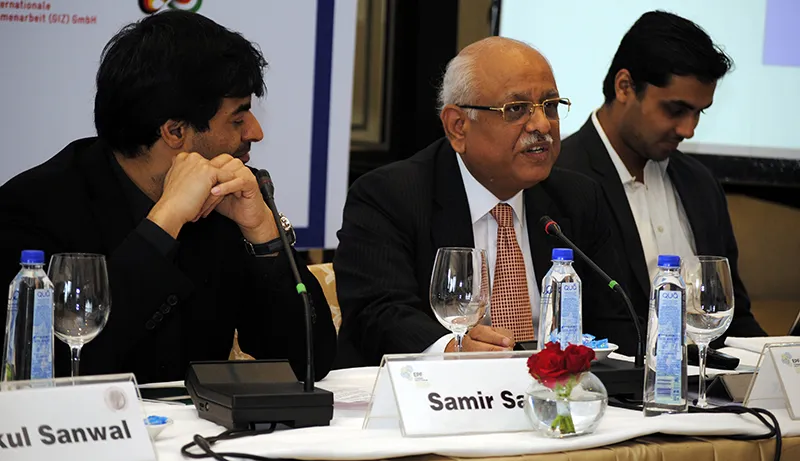
Experts from the BRICS countries and Germany discussed in Delhi 'Supply Side Economics and the Need for Energy Diversification'; 'The Future of Global Energy Systems'; 'Industrial Efficiency and Business Responsibility' and 'Energy Access in BRICS Nations'.
Recent policies and programmes such as the draft National Energy Policy (NEP), 2017 and Pradhan Mantri Ujjwala Yojana have attempted to fill the critical gender gap by recognising the linkages of women to energy access.
Among the estimated 1.3 billion people across the world who have no access to electricity, 70 percent are women. This brief discusses the impact of energy poverty on India’s rural women. As women are primarily responsible for securing food and energy for their family, they are the ones who are worst affected by the lack of access to clean and modern energy. The brief calls for a more holistic approach in research and policymaking on energ