-
CENTRES
Progammes & Centres
Location
To achieve global carbon neutrality, developed nations needs to look beyond domestic green deals and provide Global South with the capital to go green.
What are the policy changes that need to be adopted by India to ensure that it fully utilises the opportunities arising from green transition?
Public-private cooperation is the first step towards securing financial investments and adopting new technologies for our green future.
Forests and tree cover can be leveraged in a proactive manner by developing countries like India to boost their climate action compliances and support the global climate mitigation efforts
Developing countries that already have put in place a research base in geoengineering (such as India) should be at the forefront of demanding a governance framework based on an inclusive approach
Current numbers demonstrate why a net-zero framework is needed, but also show that it is unlikely that direct funding from governments and voluntary funding from companies will be enough
Large climate financing is a prerequisite for net-zero transformation and innovations to reduce emissions. However, such financing must be recognised as investments rather than mere expenses.
Climate change is already imposing an impossible toll on the world’s poorest and most vulnerable. It is no surprise that the key to averting catastrophe is to invest in their resilience.
Africa continues to face the sharp end of climate change and evidence suggests that the countries of the continent are already committing some resources of their own to adaptation efforts
The COP26 summit will need to work towards four key outcomes: increased finance for climate action; more ambitious emissions reduction commitments; fiscal and policy framework for strengthening climate change adaptation efforts and addressing loss and damage; and enhancing international collaboration on energy transition, clean road ...
If India intends to meet its climate pledges, well-planned nature-based interventions need to be employed by the ULBs for a sustainable future.
In the lead up to COP26, India and the UK can work together in catalysing a just and equitable post-pandemic recovery
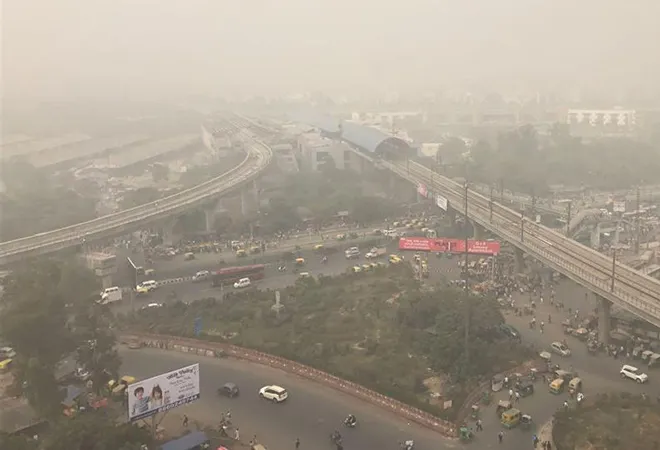
As the third-largest emitter of carbon dioxide, India needs to chart a development plan rooted in green initiatives to achieve the 1.5 ℃ climate target.
How can supply reliability be ensured in the Indian power system?
The reduction in carbon emission needs to be observed through a global perspective, as most countries have reformed the sectorial makeup of their economies and not brought major climate policy shifts.
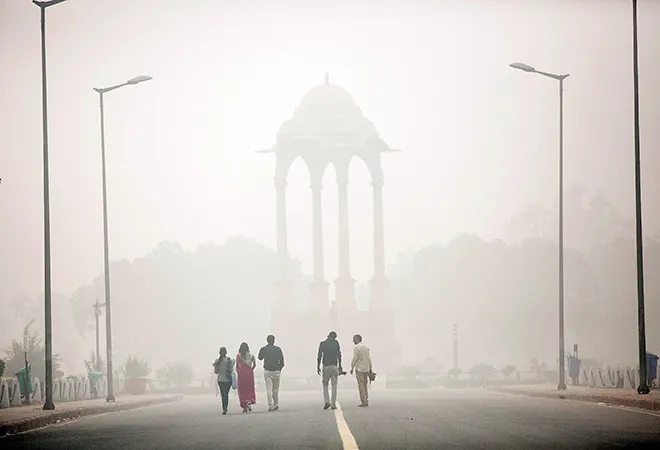
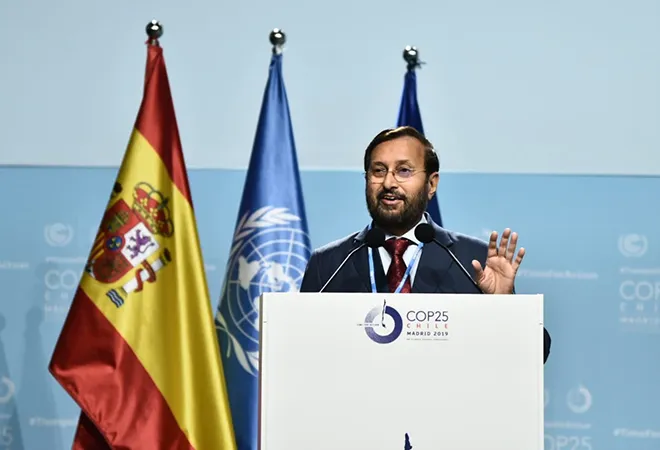
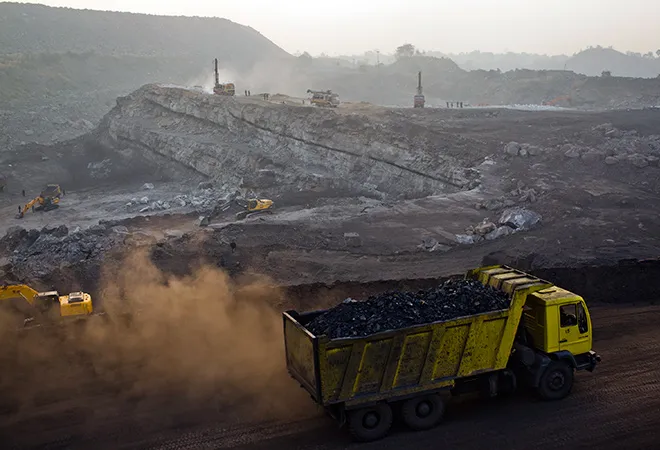
Ahead of the upcoming COP26 Summit, India needs to redefine its transition path for achieving net zero emissions, and reconsider its dependency on coal
The new RRRD scheme introduced to improve the discom sector seems to be yet another scheme in the long list of reforms that has failed to take in account the ground reality.
If China continues to undergo a major energy crunch, its green policy might be under jeopardy
Despite substantial policy changes, the discom sector has not improved. Could this be chalked up to inefficiency or should political interventions be held accountable?
The recent technological advancement in the energy front could translate into abundant low carbon energy supply; however, there are multiple problems associated with it that need to be addressed first.
As the price of crude oil continues to rise, there will be drastic repercussions if the centre increases excise taxes without sharing the revenue with the states.
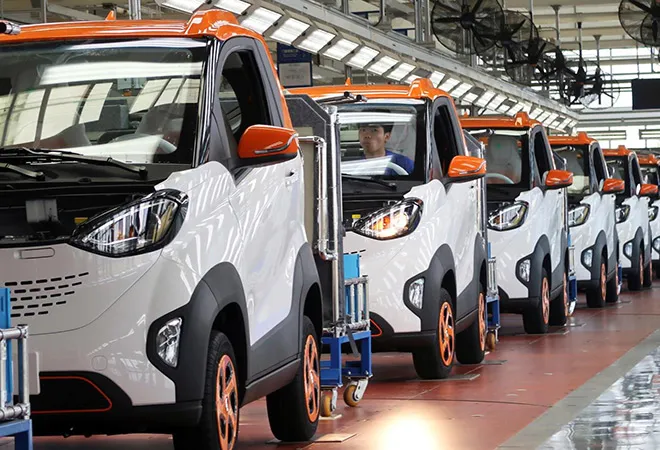
India aims to decarbonise its road by pushing for EVs, but would decarbonisation of road transport through electrification without decarbonisation of power generation mean anything?
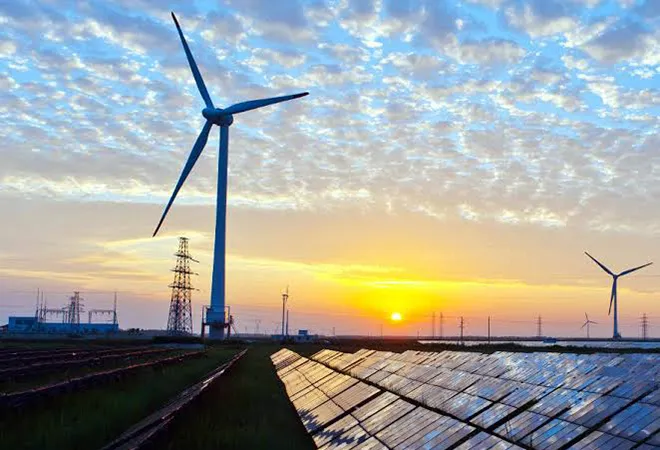
Over the foreseeable future, only massive advances in renewable technology and storage options can reverse the tide of carbon emissions from the incremental economic growth needed to lift one half of the global population trapped in low and lower middle-income status
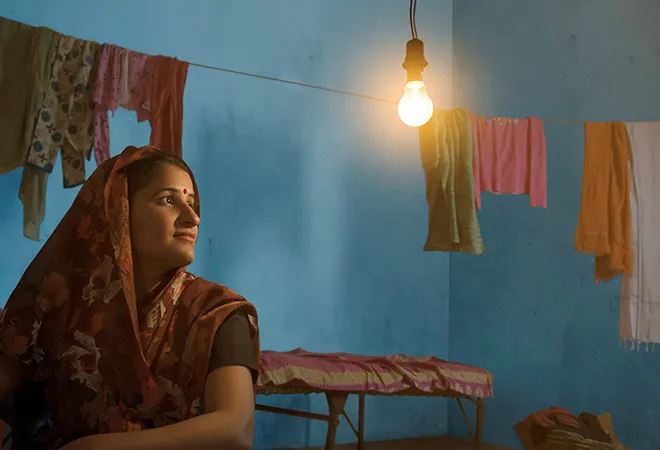
As the world speeds towards its goal of a “green transition”, India must look into what this entails for people, communities, and the social structure
Srishti Sinha worked as a research assistant for the Digital Societies Initiative at ORF. Her research focuses on the governance of emerging technologies, with a particular emphasis on artificial intelligence, data infrastructure, and the regulatory frameworks shaping responsible innovation. Previously, she ...
Read More +
Srishti Sinha worked as a research assistant for the Digital Societies Initiative at ORF. Her research focuses on the governance of emerging technologies, with a particular emphasis on artificial intelligence, data infrastructure, and the regulatory frameworks shaping responsible innovation. Previously, she ...
Read More +