26 results found
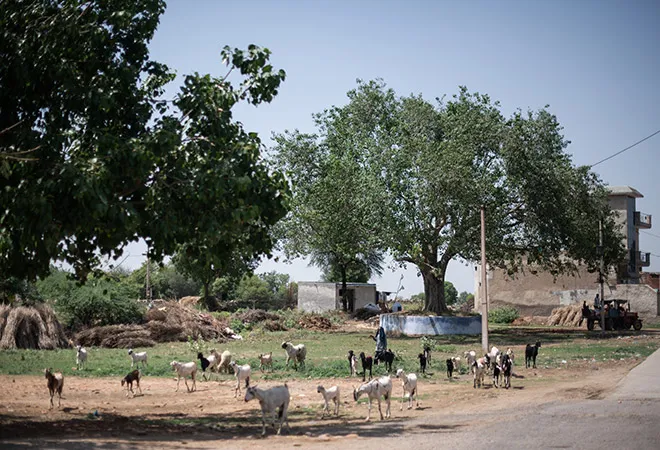
एवियन इन्फ्लुएंजा सिर्फ पक्षियों की बीमारी नहीं है, यह ह�
The global resurgence of avian influenza illustrates how zoonotic threats transcend health sectors, reinforcing the need for an integrated One Health
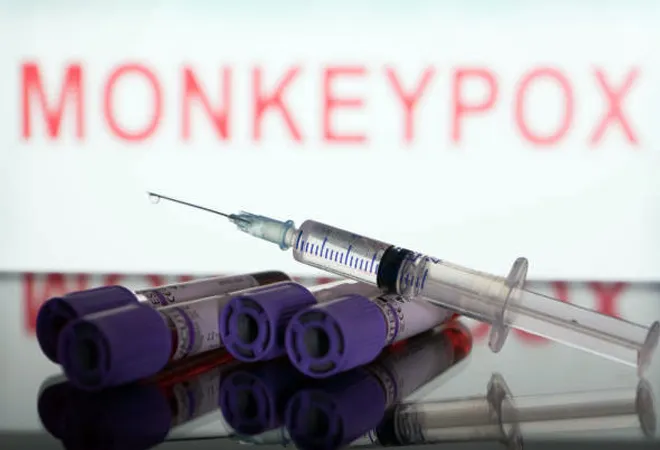
Mpoxचा उद्रेक BioE3 लसींची तातडीची गरज अधोरेखित करतो, उत्पादन �
The mpox outbreak highlights the urgent need for vaccines, with India’s BioE3 policy crucial for boosting production and supporting global health ef
झूनॉटिक आजारांचा सामना करण्यासाठी आरोग्य सुरक्षेच्या द
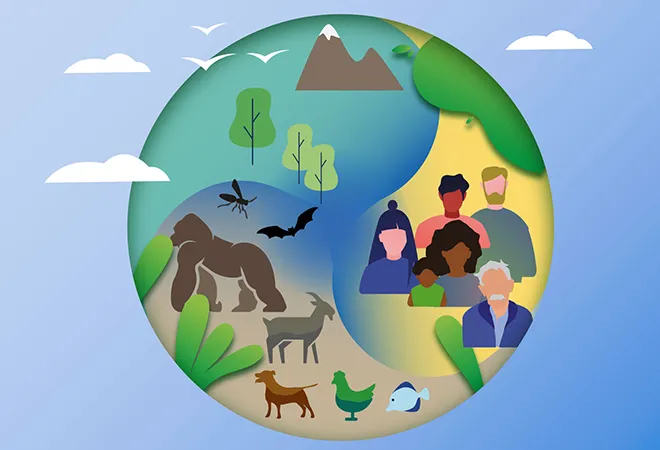
A holistic One Health approach is crucial for tackling zoonotic diseases, focusing on prevention, collaboration, and innovation for better health secu
मानवी आरोग्य आणि कल्याणावर होणाऱ्या सखोल परिणामांमुळे �
Recognising climate change as a public health emergency is imperative due to its profound implications for human health and well-being
लोकांच्या आणि पृथ्वीच्या आरोग्य विषयक नियमांची चौकट एक�
Constitutional provisions for the right to health cannot be realised without integrating frameworks for the health of people and the planet.
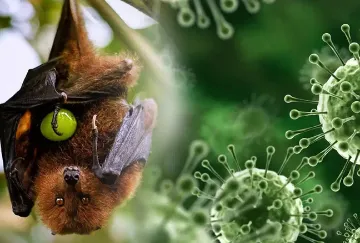
While the Nipah virus is less contagious than COVID, it is deadly and thus further studies need to be undertaken
The G20 has the potential to leverage its influence and resources to address the root causes of zoonotic diseases through joint initiatives and take p
Addressing rather than neglecting the crises in Africa is the only viable option which can help us avoid another epidemic and tackle the ongoing ones.
One of the less debated causes of growing greenhouse gases is the increasing global meat consumption.
Let us resolve to leave the standing forests and other natural landscapes alone and revisit the provisions of forest land diversion under the legal fr
COVID-19, which is a highly infectious disease of zoonotic origin, serves as a serious reminder that human-nature interactions need to be based on sustainable development pathways. The recent surge in zoonotic infections in different parts of the world—among them, H1N1, Nipah virus, Zika virus, and Lyme disease—can be attributed to the intensification of human-animal contact through wildlife trade and livestock production. Reducing the rates

Kerala outbreak sparks calls for improved communication and targeted action
An urgent shift to an integrated One Health response is needed nationally
Although COVID-19 has ended, the threat of new and re-emerging zoonotic viruses remains, the most recent cases being the Nipah virus (NiV) and Guillain-Barré syndrome (GBS) outbreaks; there is also the risk of accidental or intentional biological threats. Addressing them requires effective surveillance systems and response mechanisms within a health emergency preparedness framework. Strengthening India’s ability to identify and respond to pa
The COVID-19 pandemic, in India, illustrated the need to enhance the country’s capabilities in confronting biological threats, particularly through early detection and timely intervention. Although the pandemic has ended, the threat of new and re-emerging zoonotic viruses remains, the most recent cases being the Nipah virus (NiV) and Guillain-Barré syndrome (GBS) outbreaks; there is also the risk of accidental or intentional biological threats
In the last two decades, the world has witnessed disease outbreaks that have resulted in massive loss of lives and economic disruptions.[1] The current pandemic of the novel coronavirus or SARS-CoV-2, which causes COVID-19, might still not be the last of the pandemics that the world will suffer in the years to come—as long as human activities that use natural resources beyond their capacities, resulting in the spread of viruses, continue unab
संयुक्त पुढाकारांद्वारे झुनोटिक रोगांच्या मूळ कारणांना संबोधित करण्यासाठी आणि जागतिक स्तरावर प्रतिबंधात्मक उपाययोजना करण्याच्या दृष्टीने जी २० कडे त्याच्या प्रभा�
राष्ट्रीय स्तरावर इंटीग्रेटेड वन हेल्थ रिस्पॉन्सकडे तातडीने वळण्याची आवश्यकता आहे.