13 results found
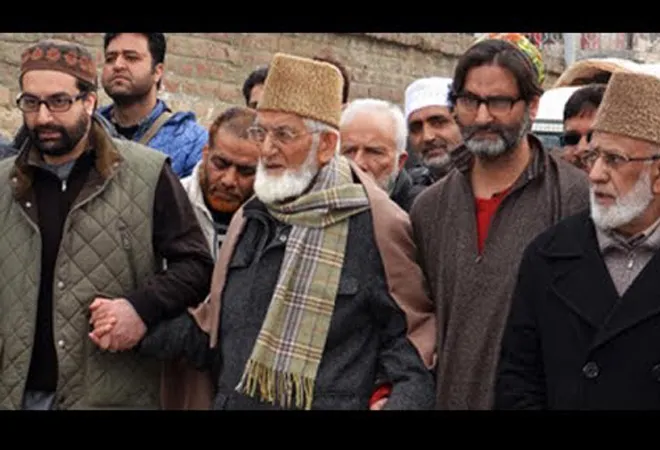
इस पहल के तहत केंद्र सरकार ने 24 जून को घाटी के बड़े नेताओं- �
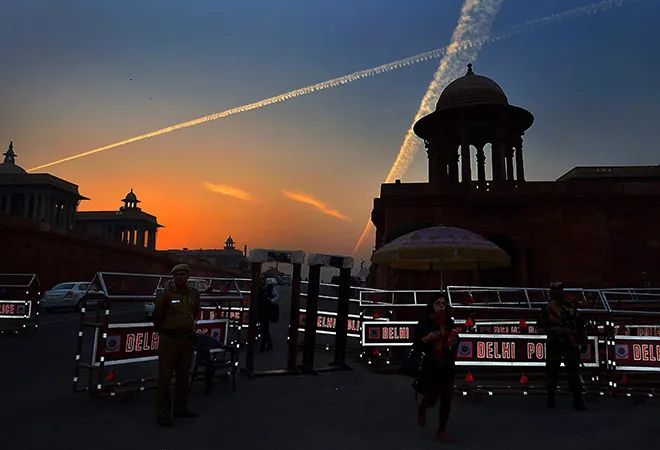
The singular character of Delhi needs recognition. The first fact is that in essence Delhi is a city. It is also the national capital and the centre o
The question of full statehood for Delhi has occupied the national limelight since the Aam Aadmi Party (AAP)’s landslide victory in the assembly elections of 2015. To be sure, the demand for statehood for Delhi has been on the slow burner since the time of the country’s independence; however, it was in the past three years that it gained considerable pace. While the last seven decades have witnessed nearly all major national parties advocatin
The Aam Aadmi Party's unprecedented electoral victory in Delhi has revived the debate on full statehood to Delhi. But how practical is the statehood for the national capital? What are the issues? To discuss these issues, ORF organised a panel discussion with experienced bureaucrats, academics and experts.
Delhi, India's national capital, has long been the subject of a quandary: Should it be granted full statehood, or maximum autonomy commensurate with its megalopolis status? is paper takes a tour of select national capitals to understand how other nations have arranged their governance and handled competing jurisdictions and functions. Lessons are drawn from this examination of other capitals, and recommendations are put forth towards a more sensi
Governments across the world are reluctant to cede power to the city-capitals, but with Delhi being larger than many states in India, it needs to have a relook at its relationship with Centre
Campaign trends in Delhi elections indicate that parties are playing around the issues having popular appeal rather than the hard core issues of governance, statehood or even air pollution. In varying degrees, populist ideas such as free houses, free water and free electricity remain the core poll promises for all political parties.
Why statehood is no answer to the city’s pollution mess
Despite domestic political changes, the alliance with the US continues to be the cornerstone of Japan's security policy in the Asia-Pacific region. Although Japan has taken some siginificant steps in the direction of normal statehood, the domestic constituency in favour of full strategic autonomy is still very weak. Japan's dilemma between its growing security concerns and the limitations laid by its Constitution will continue to be a major chall
Tel Aviv doesn’t seem to have any political endgame beyond the destruction of its adversaries. But without a political strategy, battlefield gains won’t amount to much
India needs LCA for a variety of reasons. First, it is a requirement, not a 'symbol of statehood' project as scholars like David Kinsella and Jugdeep Cheema might like to argue. Basic principles of self-reliance in defence would necessitate such projects.
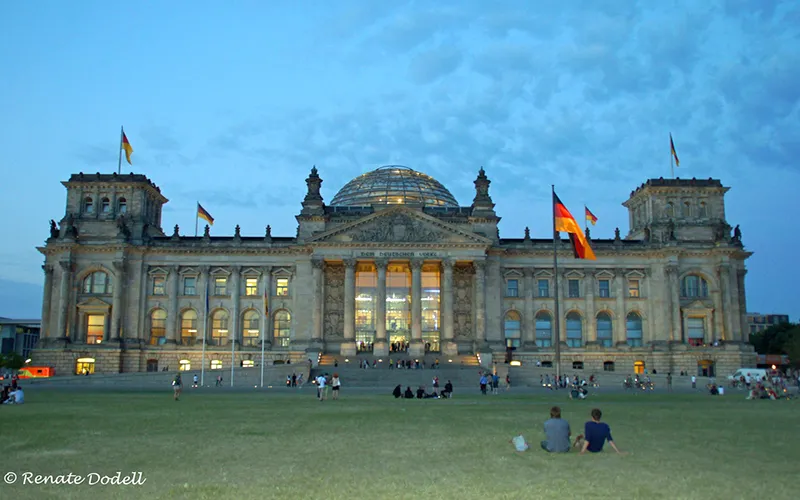
One way or the other, Germany's Bundestag is about to make history with the upcoming vote on the issue of recognising Palestinian statehood. The Bundestag has a choice to make. It can continue looking backwards in history on this issue and ignore its leading role in securing peace in the Middle East, or it can courageously look forward, maybe even recognising something it owes history.