15 results found
As procurement paralysis narrows options, the LCA Tejas emerges as the IAF’s only viable path to arrest an alarming fighter shortfall
सहा दशके भारतीय आकाशात घालवल्यानंतर मिग-21 आता निवृत्त हो�
जब यह विमान अपने शबाब पर था, तब पूर्वी वायु कमान के तेज़पु�
After six decades in the skies, the MiG-21 bows out, a versatile warrior that redefined India’s air power across generations.
भारत अधिक आर्थिक समावेशकतेकडे आणि महिला सक्षमीकरणाकडे �
India is seeing a shift towards greater financial inclusion and women's empowerment. Policies supporting this trend can create a more equitable financ
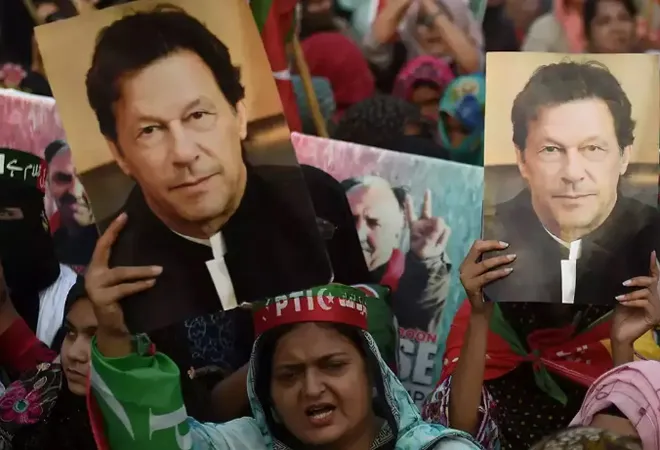
As long as Imran is there—whether in jail, exile, or even forced retirement—he will pose a threat to the Pakistan Army
पीढ़ियों तक चलने वाला अल्प-पोषण का कुचक्र निर्धनता, सामा�
While post-retirement employment is not illegal, there are serious questions of propriety and conflict of interest that crop up, especially when the g
As India faces an inevitable downturn of its demographic graph over the next few decades, it must adopt a nuanced strategy to keep the ageing, but fit
Despite the optimism surrounding the potential dividends from India’s youth population, demographic ageing is underway. All but five of India’s 28 states have fertility rates below replacement levels, with the share of older adults growing faster than all other age cohorts. However, existing policies, laws, and schemes targeting older adults have fallen short. Poor drafting, limited implementation, and a disproportionate focus on youth needs
This brief examines India’s defence budget for 2023-24. It outlines the economic context for India’s latest defence allocations, and examines the drivers of growth, the broad distribution of resources among the defence forces, and the impact of such distribution on modernisation and the domestic defence industry. The brief posits that the new defence budget, coming on the back of a hefty mid-year upward revision of the previous alloca
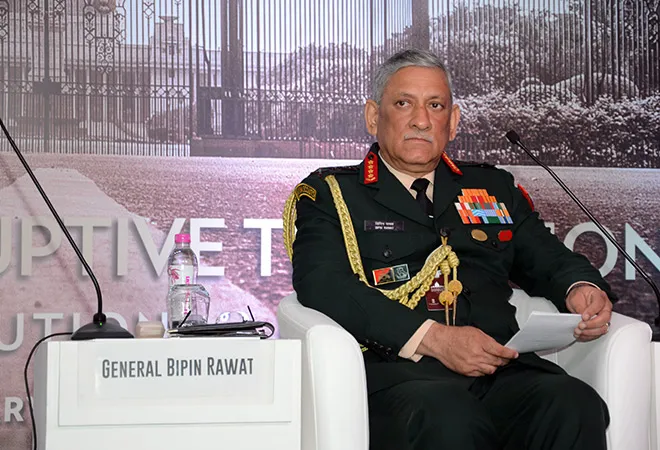
General Rawat seems to revel in making these politically loaded remarks. One conclusion of this is that he is not being adequately supervised by the government of the day. The other is that he is pushing the envelope with an eye on a post-retirement political career.
Current discussions around the macroeconomic impacts of generative artificial intelligence (GenAI) and its effects on the future of work tend to be sensationalist. Unlike previous waves of automation, GenAI has the capacity to affect tasks and professions of capital holders—or white-collar workers—as well as blue-collar workers—and can also contribute to a widening of the gender gap. Capital holders must strengthen the human aspects of work
Lieutenant General Iqbal Karim Bhuiyan's appointment as the new Chief of Bangladesh Army on June 25 has evoked a keen interest in India and elsewhere. There are two reasons for this interest in an other-wise routine succession--General Bhuiyan succeeded General Abdul Mobeen on his retirement.