19 results found
भारत में 73वें और 74वें संविधान संशोधनों के बाद स्थानीय स्व�
आयकर से होने वाली राजस्व प्राप्ति का विकेंद्रीकरण करने स
Decentralising income tax revenue could turn India’s 250,000 local councils into growth engines—delivering equity, efficiency, and resilience
The Indian government will have to comprehensively rethink its approach and empower ULBs if India is to achieve its promise of becoming an economic po
लोकसंख्येच्या स्फोटात, विकेंद्रित शासन प्रणालीची नितां
Amidst the population rise, a push for decentralised governance structures that focus on data-driven efficient public service delivery is extremely cr
The recent tragic incidents in India have highlighted a common issue: local governance lacks effective functioning, accountability, and transparency.
पंचायतींमधील महिला प्रतिनिधींनी स्थानिक प्राधान्यक्र�
Women representatives have played a critical role in redefining local priorities, but proper measures need to be adopted to address the existing chall
नागरिकों की भागीदारी और जागरुकता को सुनिश्चित करने के लि
Despite many structural shortfalls, the 73rd and the 74th Amendments were able to create critical democratic space for these underrepresented groups s
नागरिकों की भागीदारी और जागरुकता को सुनिश्चित करने के लि
To ensure citizen participation and awareness, it is instrumental that ULBS are slowly transformed into transparent and accountable bodies
As big-ticket items stall, the US and India are identifying areas of convergence on local governance
India’s 73rd Constitutional Amendment Act, which empowered local self-governments (Panchayati Raj Institutions) and reserved one-third of electoral seats in these bodies for women, has elevated women’s participation in rural governance. India is among the foremost countries for women’s participation in local governments, with over 1.45 million women shaping local decision-making. Women leaders are a critical link between local governance, s

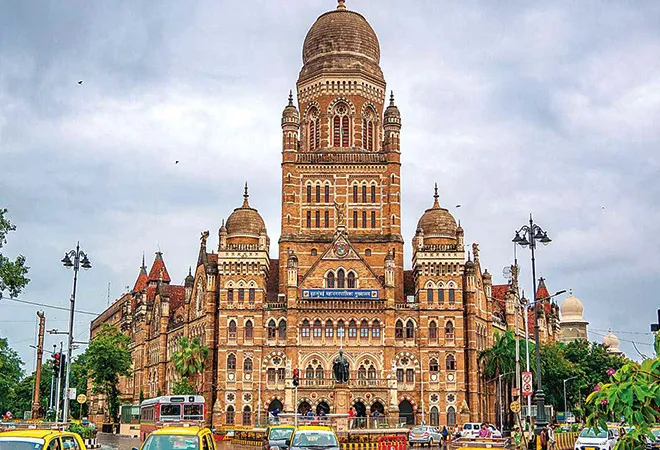
Municipal governance has once again taken centre stage in Indian polity. There is a current re-shaping of narratives within the national government to make local governance effective. It is realised that deficit in the delivery of urban services results in chaos, which forms the basis for citizens doubting the functioning of the local government.
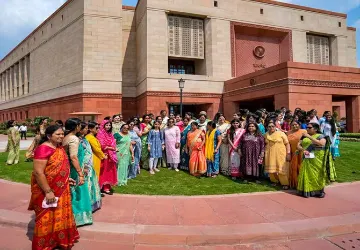
Women’s representation in local governance is a crucial indicator of gender inclusivity. Since 1993, the 74th Constitutional Amendment Act has reserved one-third of seats in Urban Local Bodies (ULBs) to women. Multiple states have since granted 50 percent reservation of seats for women in urban and rural local self-government bodies. Today, women have become a crucial political constituency, both as voters and as electoral candidates. This pape
This brief examines India’s foundational literacy and numeracy (FLN) landscape in the context of SDG 4 and the National Education Policy (NEP) 2020. It focuses on the findings of the 2024 report of the national assessment regulatory body, PARAKH, released in July 2025. The results highlight three conclusions: (a) despite some post-pandemic recovery, FLN levels have not improved beyond the 2017 scores; (b) PARAKH records share intra- and interst