-
CENTRES
Progammes & Centres
Location
51 results found
जैश-ए-मोहम्मद या दहशतवादी संघटनेने महिलांसाठी ऑनलाइन जि�
जैश-ए-मोहम्मद का नया ऑनलाइन कोर्स ‘तुहफ़त-उल-मोमिनात’ सि�
JeM’s women-centric online jihad course reveals how Pakistan’s digital and ideological ecosystems continue to enable extremism under the cloak of
ऑपरेशन सिंदूर के बाद आतंक के बड़े ठिकाने भले ही ढह गए हों �
Precision strikes weakened LeT and JeM, yet both are regenerating capacity through dispersed bases, digital fundraising, and ideological mobilisation
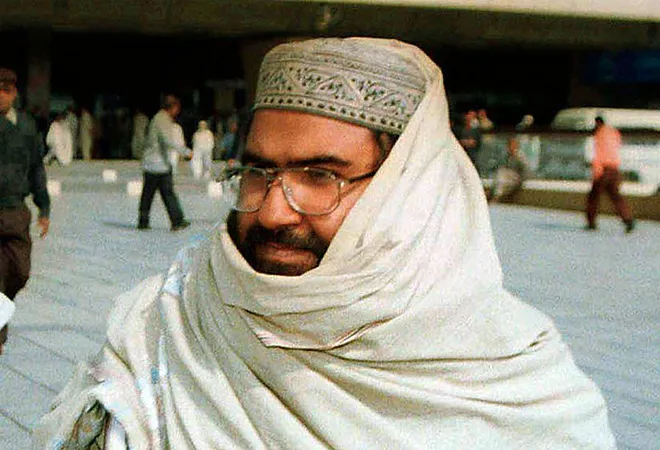
जैश-ए-मुहम्मद के फिर से सक्रिय होने और उसके आक़ा मसूद अज़ह
The re-emergence of JeM and its leader Masood Azhar’s recent threats call for an active response from India
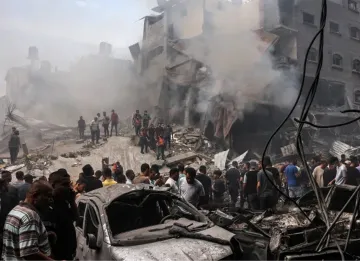
Even with the hierarchical decapitation of Hamas by Israel, it is likely that the group would resurface in another avatar
What is important in the UNSC decision is the symbolism of the move – a symbolism that exemplifies India’s coming of age as a global political act
While every counter-terror theatre works on its own specific requirements and variables, Pakistan is a completely different ball game.
If the Balakot strike is not to join the dismal achievement of previous Indian attacks, it has to be part of a deterrence strategy.
Masood Azhar-led Jaish-e-Mohammed (JeM) is one of the many terror groups Beijing considers as important cogs for security and stability in its restive
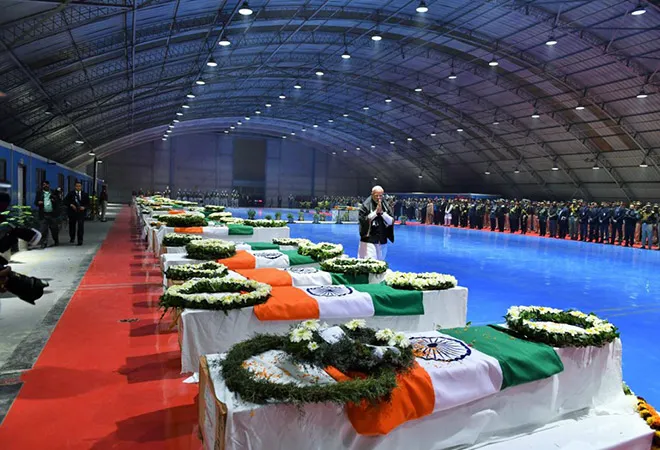
The immediate consequence of the Pulwama carnage is the sense of fear developed in the State of Jammu and Kashmir.
The operational success of the security forces is commendable, but their real test would be against the hard-core and well-trained JeM and LeT terrori
Twelve innocent civilians, 11 of them Indonesian nationals, were killed in an explosion on August 5, 2003, in the US-franchised JW Marriott hotel in Jakarta. The Jemaah Islamiyah (JI) was suspected. If the JI is ultimately established to have been responsible, it would be the second major post-9/11 terrorist strike organised by it
India’s February 26 attack can be seen as more of a signalling of intent than a counter-terror operation
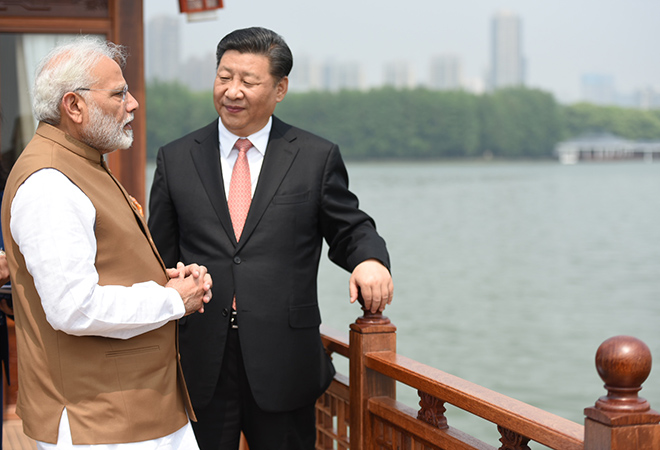
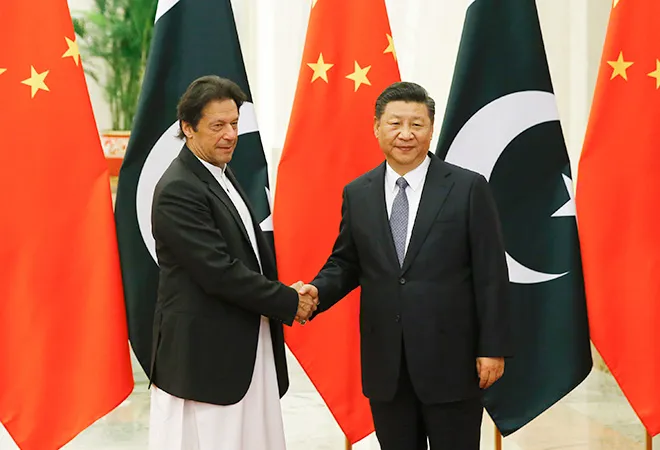
China will continue to shield Pakistan. The Wuhan spirit, if it ever existed, is gasping for breath — and New Delhi will have to firm up its response to China.
Beijing’s move, though unsurprising, is not without significance.
India, despite being at the receiving end of many terror attacks, has had domestic successes that do not find mention in the prevailing counter-terror discourse
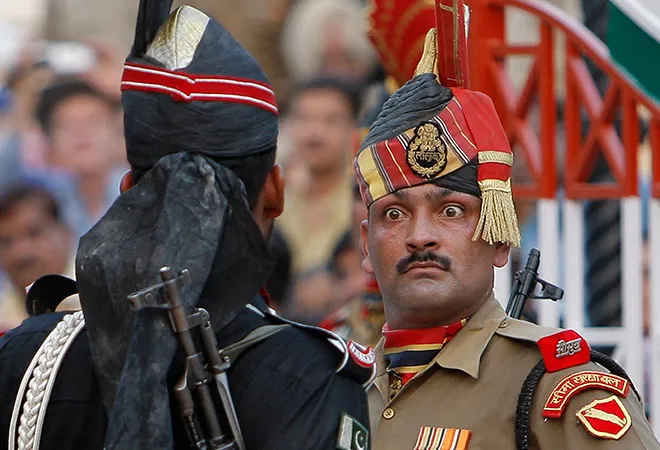
As long as both sides focus on reassuring their domestic constituencies rather than contradicting each other’s version of events, the chances of conflict are paradoxically lower. The problem is that in this crisis like any other, facts inevitably intrude.
Despite the severity of the attack and the pressure for action, New Delhi’s choices are much more limited than they may initially appear.
The way it is currently configured, Pakistan is unlikely to to mend itself any time in the foreseeable future.
National interests are taking precedence over international issues such as terrorism
We should consider the effects of the Balakot strike
Better sense must prevail and both India and Pakistan must avoid serious conflict that will hardly help either. True progress will happen when Pakistan starts to wind up its terror factory
What has happened in Balakot is a punitive strike against known camps of terrorists — especially Jaish-e-Mohammed.
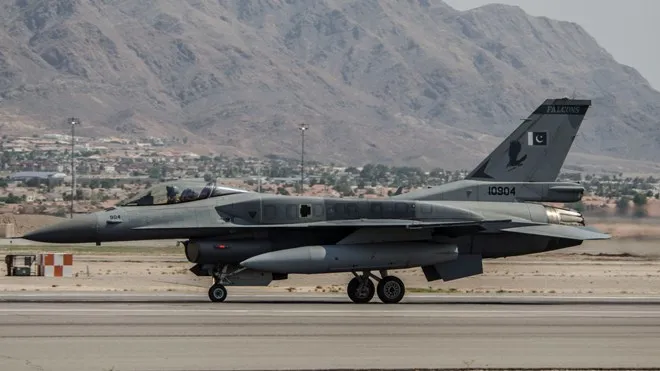
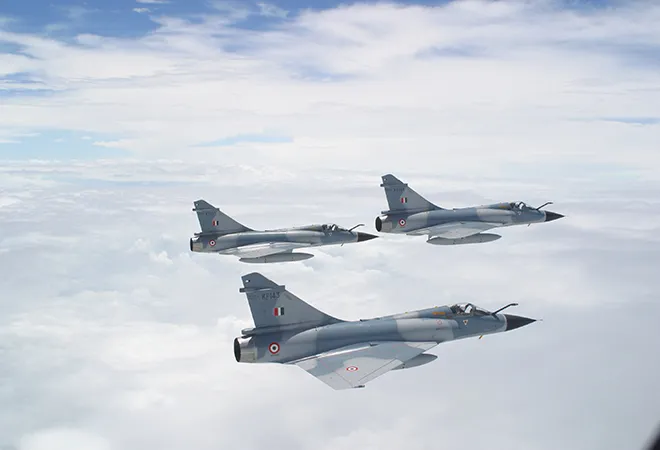
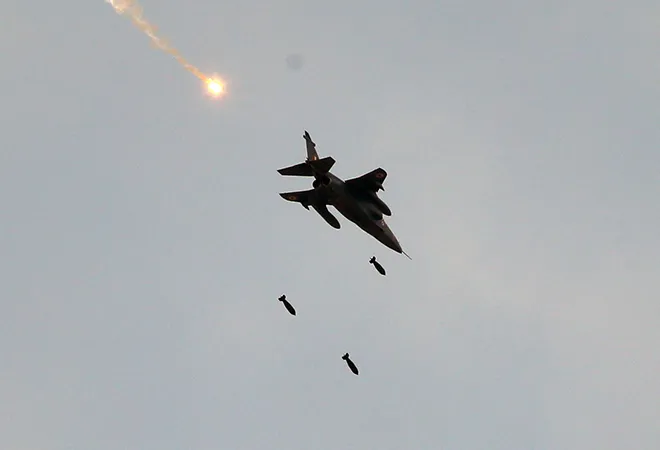
The IAF's strikes on the terror camps in Balakot, Muzaffarabad and Chakoti in Pakistan mark a fundamental shift in New Delhi’s approach to its security.
India barely spends 1.5 per cent of its GDP on defence — two-thirds of it on military salaries and pensions and current costs.
Clearly, the prime minister is very good at making speeches.
Indian counter-terror thinking needs strengthening from the ground up without care of international levers, FATF, and other multilateral security mechanisms
The wave of terrorist violence that will hit India as a result of de-escalation is not going to be a tenable proposition for India.
भारताच्या दहशतवादविरोधी विचारसरणीला आंतरराष्ट्रीय दबाव, FATF आणि इतर बहुपक्षीय सुरक्षायंत्रणांची फारशी काळजी न करता मुळापासून बळकट करण्याची गरज आहे.