7 results found
पिढ्यानुपिढ्या चालणारे गरिबीचे चक्र संपवण्यासाठी आणि स
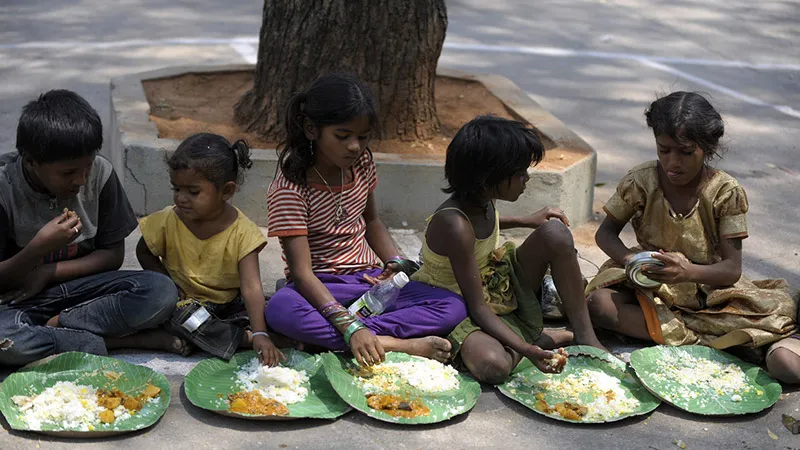
To end the intergenerational cycle of poverty and eradicate all types of malnutrition, policymakers must intensify their efforts
The world is currently witnessing an increase in the prevalence of undernourishment as well as a rise in the incidence of overweight, obesity, and non-communicable diseases. Addressing issues of food security and nutrition would not be possible without adopting a food systems perspective—from farm to fork. Indeed, in 2021, countries developed national pathways to transforming food systems to accelerate progress towards the Sustainable Developme
Climate change, conflicts, and various crises have exposed the vulnerabilities of global food systems. Acute food insecurity and undernourishment have become more prevalent in recent times, and the imperative is to build more robust and sustainable food systems that do not adversely impact the environment. The COVID-19 pandemic has only underlined the importance of food security in times of crises. This brief explores the promise of clima
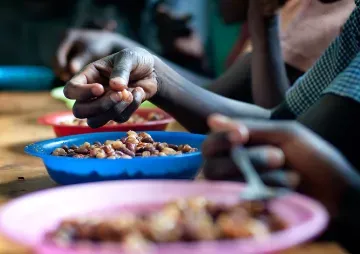
After improving between 2000 and 2013, hunger levels have significantly worsened in Africa in the years since. While global food insecurity is currently at an all-time high, Africa's record in addressing undernutrition was not impressive even in the pre-pandemic era when growth rates were higher. There are several challenges to food security in Africa, including short-term external shocks such as the pandemic and the Ukraine-Russia war, and long-

Africa is experiencing a food crisis on an unprecedented scale. More than 150 million people in the continent are anticipated to be in danger of increased levels of hunger in the immediate future because of the impacts of the conflict in Ukraine, compounded by climate-related variability and extremes, economic slowdowns, and the lingering consequences of the COVID-19 pandemic. Within this context, social and gender disparities are increasing, wit