-
CENTRES
Progammes & Centres
Location
10 results found
हे शक्य आहे की आर्क्टिकच्या संसाधनांचे शोषण करून तात्का�
While resource exploitation in the Artic may offer short-term gains, the long-term consequences for the planet outweigh them
India's growing interest in the Arctic arises from a combination of scientific, geopolitical, and environmental factors
आर्क्टिक प्रदेशातील सध्याच्या पर्यावरणीय आणि भू-राजकीय
The current ecological and geopolitical shifts in the Arctic region may warrant a thorough revaluation of the Arctic Council’s functions and authori
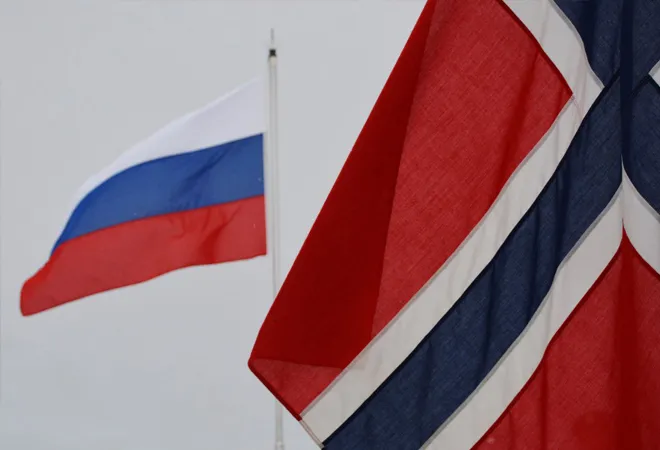
As Norway takes over as the Chair of the Arctic Council, it will have to tread a fine line between its priorities and the geopolitics in the regions
The role of the ‘small’ actors as leaders has been critical in lowering confrontations between the great powers in the Arctic. This has allowed th
This paper examines India’s role, and stakes, in the so-called ‘Arctic Paradox’: As the Arctic region witnesses an unprecedented rate of ice-melt because of global warming, new routes are being opened, paving the way for untapped hydrocarbon and mineral resources to be exploited. While India has been active in the Arctic for over ten years, it has not fully made use of its Observer status, and it must give new energy to its activities in th
Will the potential entry of new players into the Arctic require a wider reimagining of the Arctic governance architecture? How will the Arctic governance mechanism confront the changing geopolitical calculus in the region? The Arctic Council will need to delicately balance these pressing questions.
New Delhi is cognisant of the future viability of the Northern Sea Route, given the further thawing of the Arctic and the prospect of improved relations between Russia and other Arctic states over the long term.