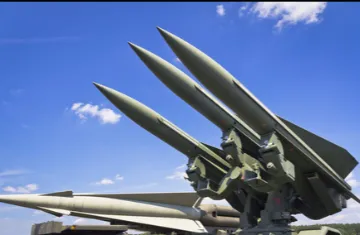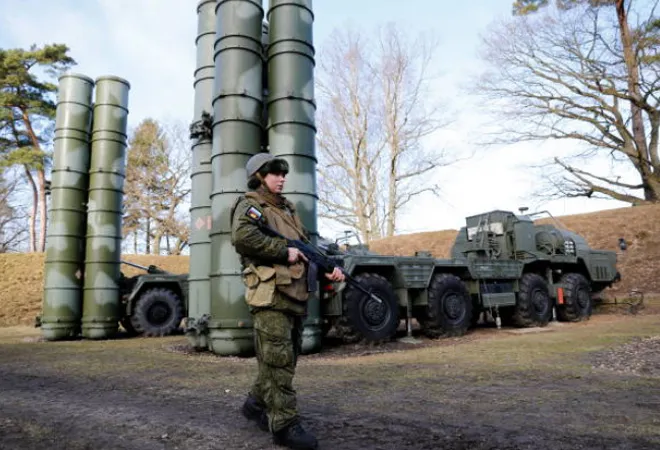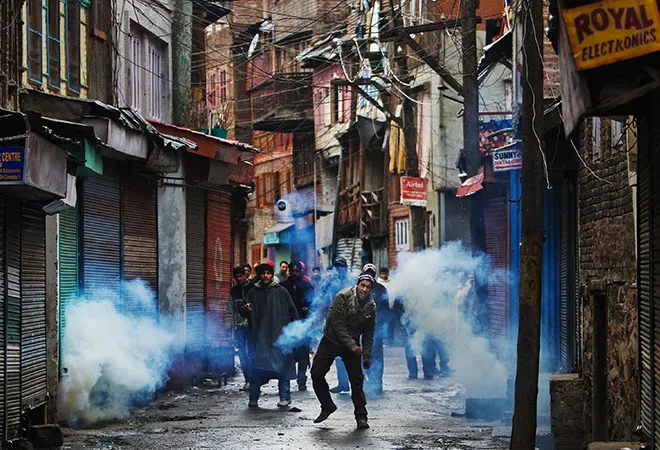
As states invoke “self-defence” to justify aggression, Article 51 of the UN Charter risks becoming a tool for legitimising war, not preventing it. ...
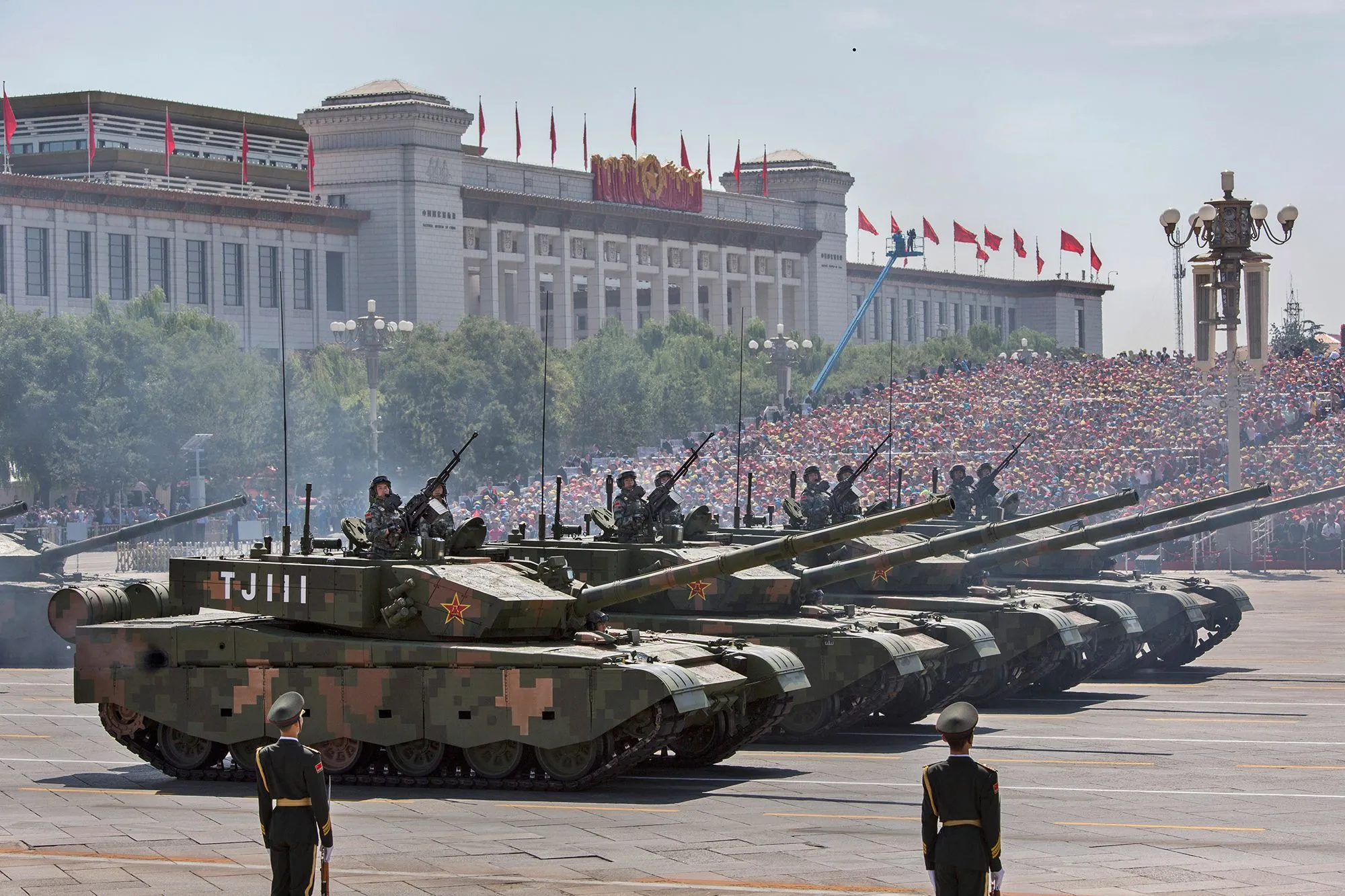
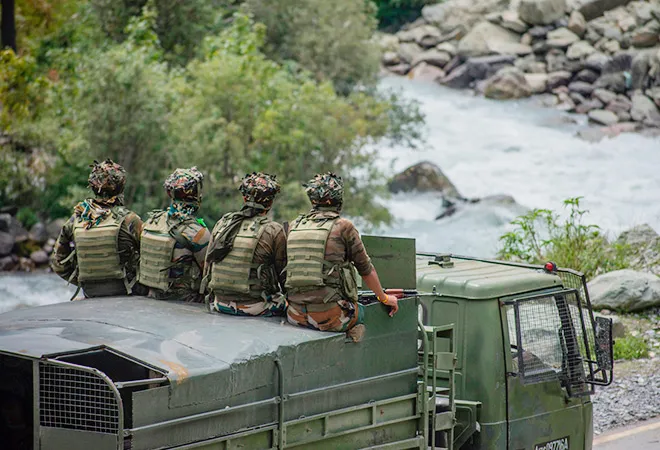
India’s Future Ready Combat Vehicle must prioritise mobility to meet operational demands along contested borders against China and Pakistan. ...
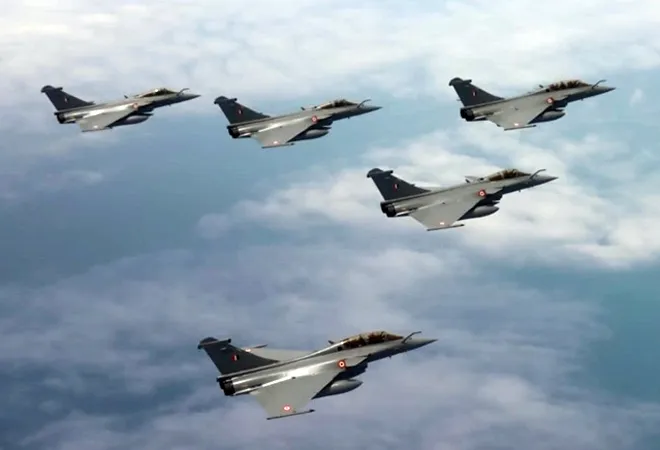
The PAF’s evolving capabilities show how strategic partnerships, cutting-edge acquisitions, and sustained spending continue to define Pakistan’s military power projection. ...
The Indian Air Force urgently needs to develop an air-launched cruise missile and a suitable delivery platform to counter China's advanced long-range strike capabilities ...
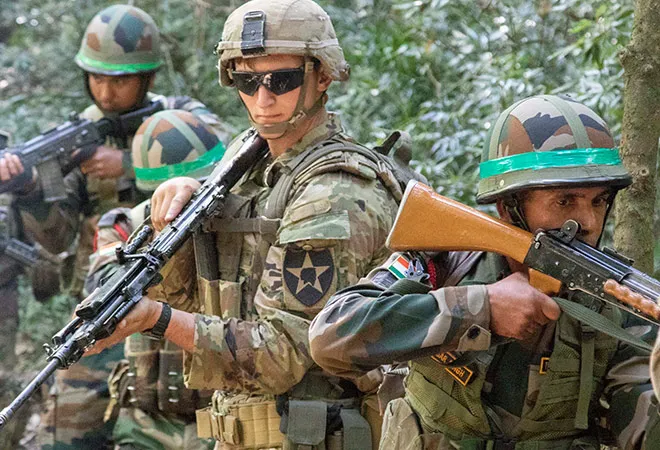
In an era of multi-domain warfare, India’s military must think beyond silos, integrate capabilities, and prioritise efficiency for national security. ...
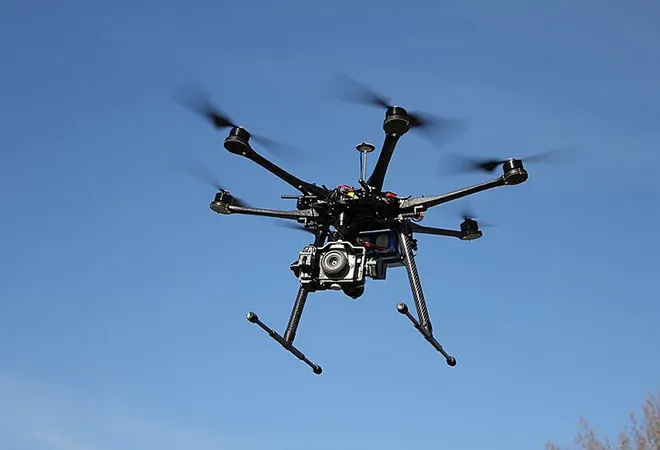
The future of military drone development in India can be pushed forward provided there is sustained effort by the government, the armed services, the DRDO and industry ...
Military diplomacy remains a vastly untapped constituent of India’s Comprehensive National Power and needs a holistic push for the attainment of national objectives ...
The Kargil War taught China and India that enhancing military capabilities and infrastructure is crucial for securing the LAC, with no room for compromise on this front ...
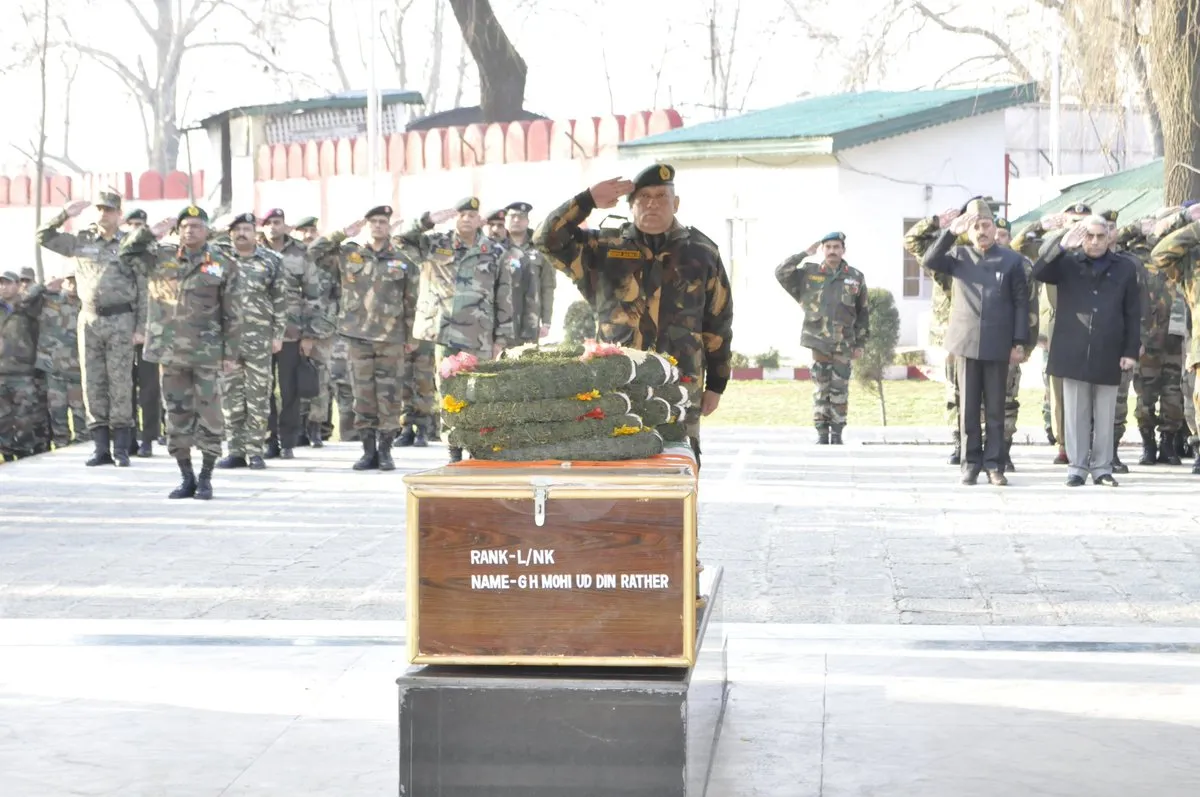
The aftermath of Kargil saw a series of reforms being brought to the national security system to plug existing loopholes ...
The Kargil War highlighted the need for clear nuclear doctrines and strong command systems to manage escalation risks for both India and Pakistan ...
The Kargil conflict and India’s rapid growth marked a turning point in India-US relations. ...
India's diplomatic pressure on Pakistan during the Kargil War illustrates the interconnection between diplomacy and war and how the former influences military actions and resolve conflicts ...
The Kargil War, as India’s first televised conflict, revolutionised the media’s role and helped to shape public perception and to bolster national support ...
The growing scale of wars worldwide has heightened the risk of atomic blackmail, shifting the perception of nuclear power plants from assets to liabilities. ...
As the conflict in Myanmar escalates, an increasing use of commercial weaponised drones by non-state actors is observed. This spread of drone warfare carries heavy strategic implications. ...
The coupling of conventional and new, high-tech warfighting elements, as witnessed in recent conflicts, highlights the importance of a balanced approach that leverages the strengths of both domains. ...
Establishing Middle East WMD-free zones (MEWMDFZ) is an urgent requirement, not only for the region's stability but also for global security. ...
The American political landscape has been witnessing a great divide due to the growing immigration problem and the US’ support to ongoing wars. ...
Given the growing relevance of hypersonic weapons, India needs to accelerate its efforts in their development and in the deterrence of these weapons. ...
As terrorists and violent extremists adapt their online tactics in the era of AI, counterterrorism efforts should also evolve, employing new tools and approaches ...
With commercial drone operation just around the corner, relevant guidelines need to be introduced to ensure the smooth and safe functioning ...
Given India’s history and ethos, India must forge its own unique structures to achieve jointness and integration and civil-military fusion in the broadest possible sense ...
Tactful usage of available resources is essential to mitigate the diminishing strength of India’s fighter squadrons and the vulnerability of its helicopter fleet ...
The military coup has led to a breakdown of the rule of law in Myanmar, creating a conducive environment for criminal activities, especially in border states ...
Adaptation remains critical in wars as seen throughout history and the current conflicts between Moscow and Kyiv and between Hamas and Israel are no different ...
Sreeparna Banerjee is an Associate Fellow in the Strategic Studies Programme. Her work focuses on the geopolitical and strategic affairs concerning two Southeast Asian countries, namely Myanmar and Thailand. Her primary focus is on the Rohingya issue within the Bay of ...
Read More +
Sreeparna Banerjee is an Associate Fellow in the Strategic Studies Programme. Her work focuses on the geopolitical and strategic affairs concerning two Southeast Asian countries, namely Myanmar and Thailand. Her primary focus is on the Rohingya issue within the Bay of ...
Read More +