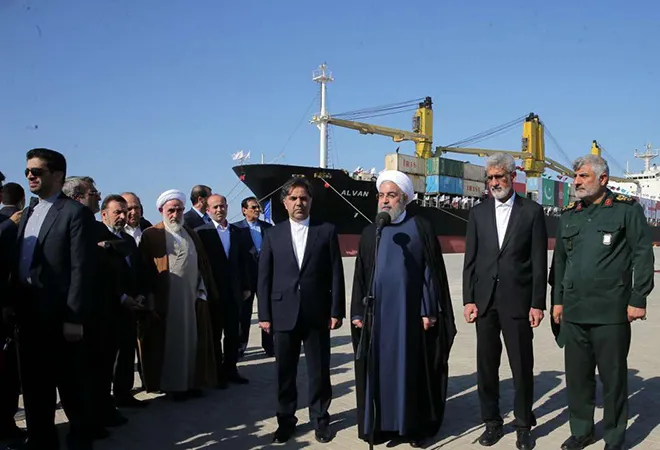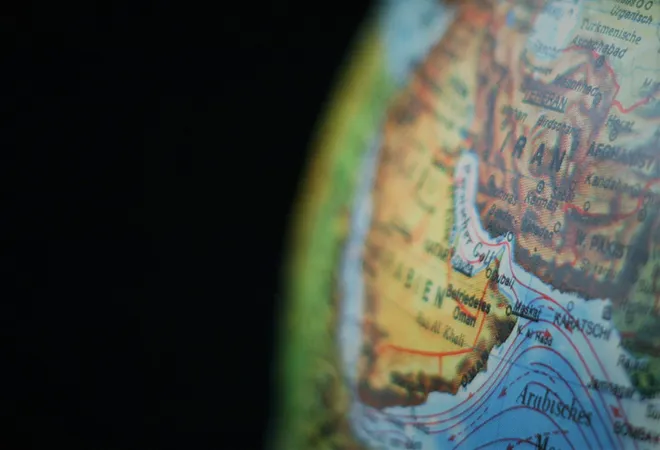
Beijing would find it hard to sustain its balancing act between Iran and Saudi Arabia. ...

The Syrian crisis, at its current juncture, looks set for a prolonged battle. ...

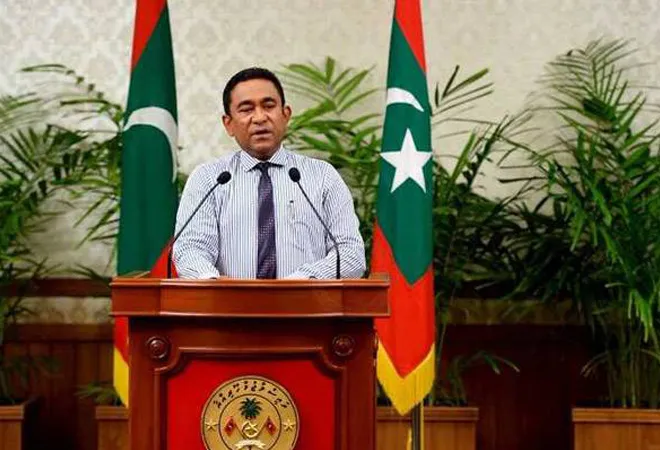
For New Delhi, the China FTA came as a surprise as less than a year earlier, Yameen had declared that Maldives’ first FTA, whenever signed, would only be with India. ...

The Pakistan army has commenced openly supporting internal religious and fundamentalist groups. If these parties rise to power, Pakistan’s internal dynamics could rapidly change. ...

Gone are the days, when Latin America used to be an insignificant region for China, over fears of antagonising the US. Today, Latin America has outpaced Africa in terms of bilateral trade. ...
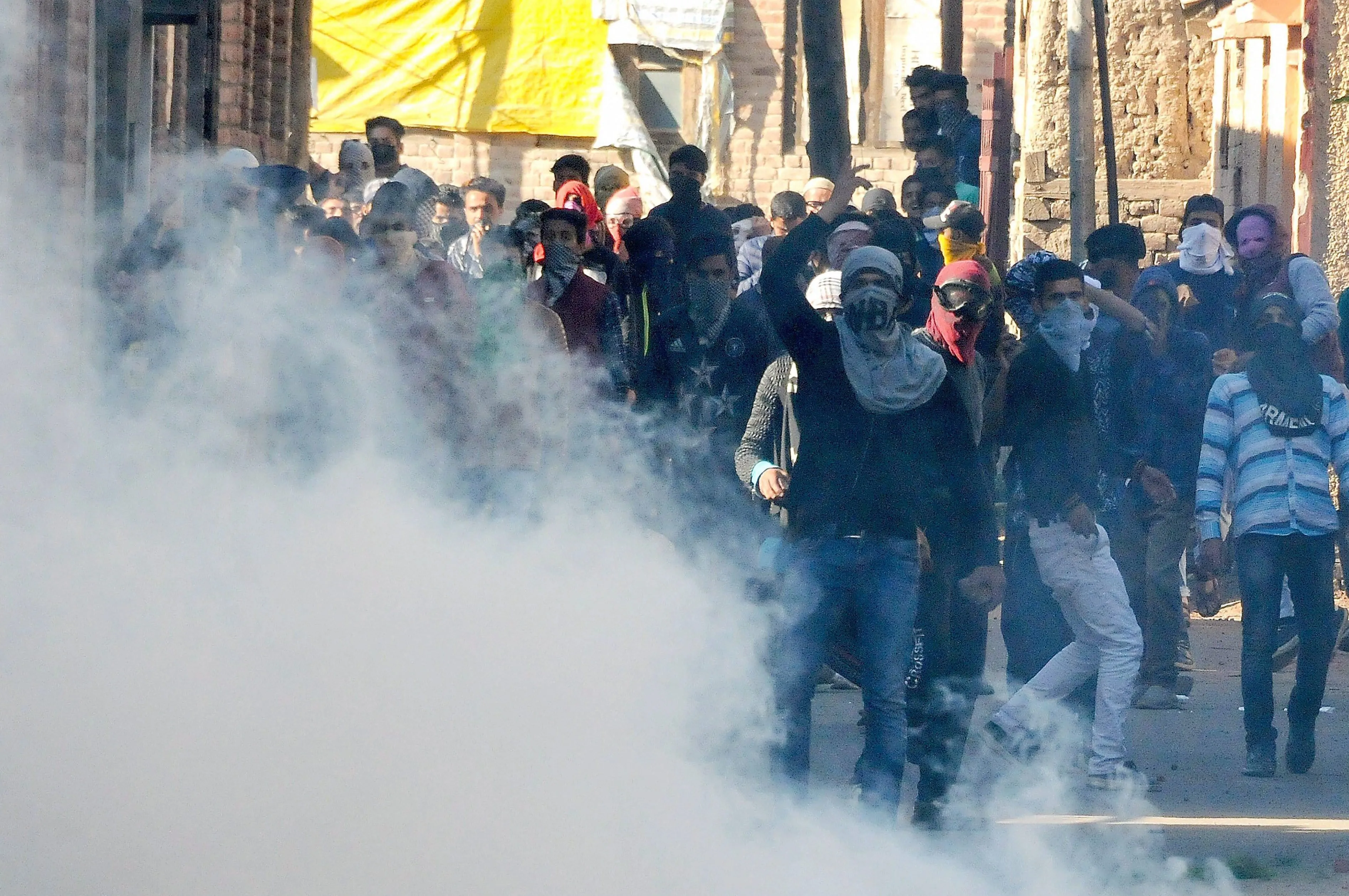
The US knows that the Pakistan government has little to no control over the support to terror groups as it is done by the deep state, comprising the army and the ISI. The regular warning to the Pakistan government to act, have been ignored. ...

It is necessary to contextualise the North Korean nuclear crisis with regards to Asian geopolitics and its implications for India. ...
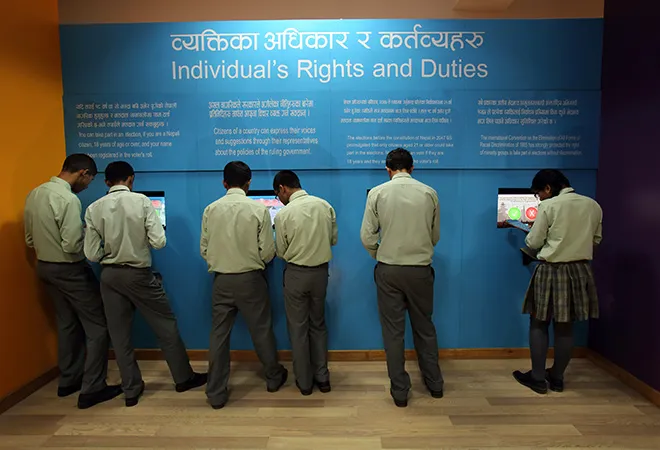
The revoking of the Budhi Gandaki agreement also heralds a shift in Nepal’s bilateral relations with China. ...
The absence of the rule of law in China has been a constant refrain. Beijing benefits from free global markets without making the necessary changes within. This self-righteous take-all stance is reaching a flashpoint. ...

It is a tall order for a small group of people, yet they are determined to lobby for a pluralist and democratic future for Lebanon. ...

Thucydides’ assertion of the fifth century war being “inevitable” owing to the “rise of Athens” and the fear it “instilled” in the “ruling” power of Sparta — holds key relevance in the 21st century. ...

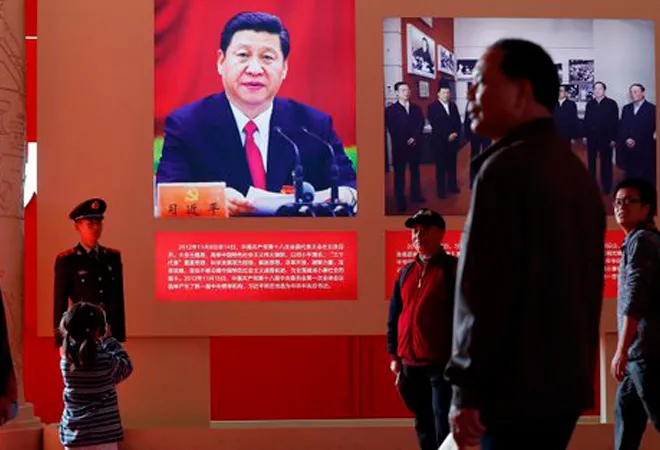
An internationally accepted ‘redback’ and financial institutions under Beijing give China the requisite arsenal to project economic influence and craft the Belt & Road Initiative. ...
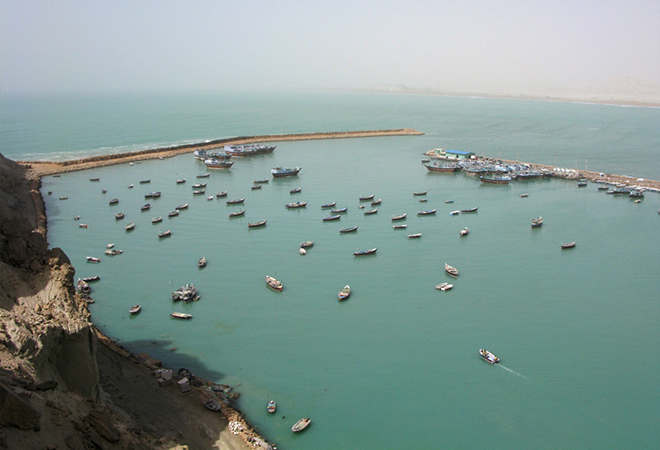
The moment Chabahar opens, and Indian support becomes freely available, Afghanistan's dependency on Pakistan would reduce. This would provide Afghanistan more options. ...
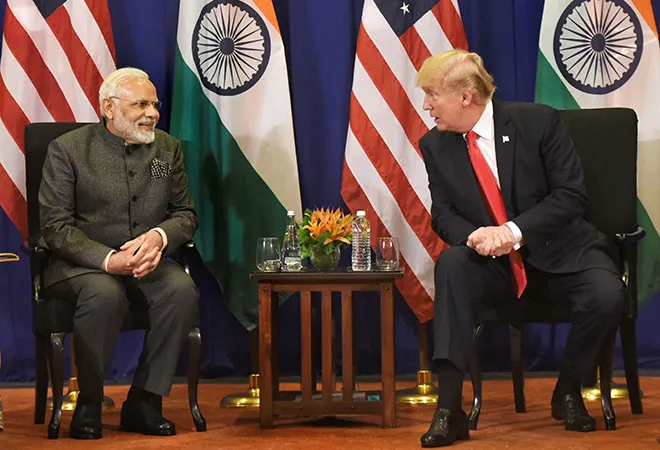
There is mounting interest in reviving the US-India-Australia-Japan Quad strategic dialogue. ...
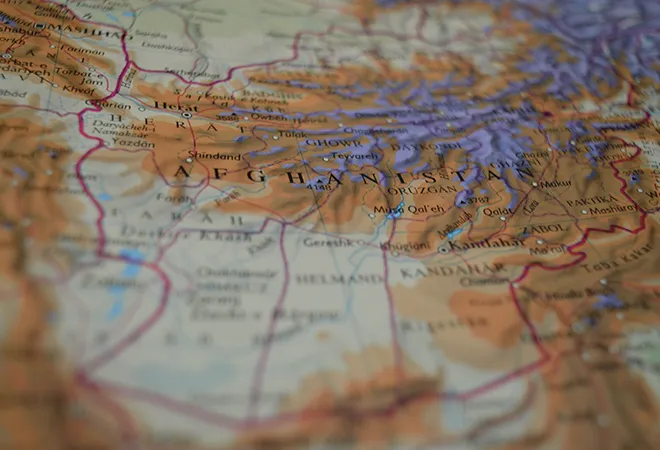
Maritime security — on which much else depends — is interconnected with events in landlocked countries. Afghanistan is a prime example: Over the past 40 years, geopolitical tensions have imposed destructive conflicts on what is one of the most naturally endowed countries at the heart ...
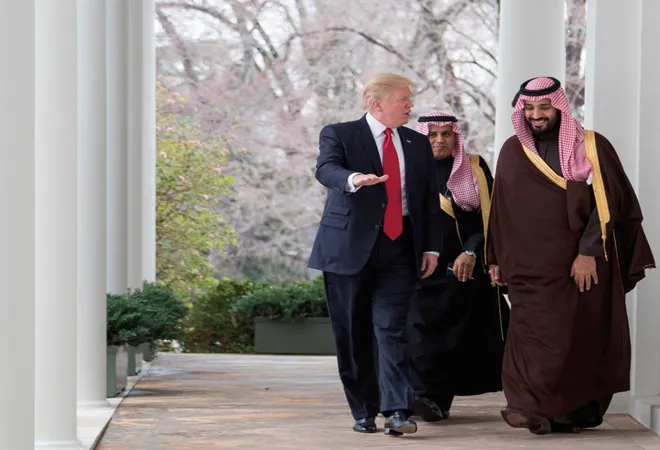
Not only are the important regional players getting into a huddle to discuss the implications of President Trump’s actions, but are also re-calibrating their moves in view of this uncertainty. What Saudi Arabia and Iran do are most critical to the region. ...
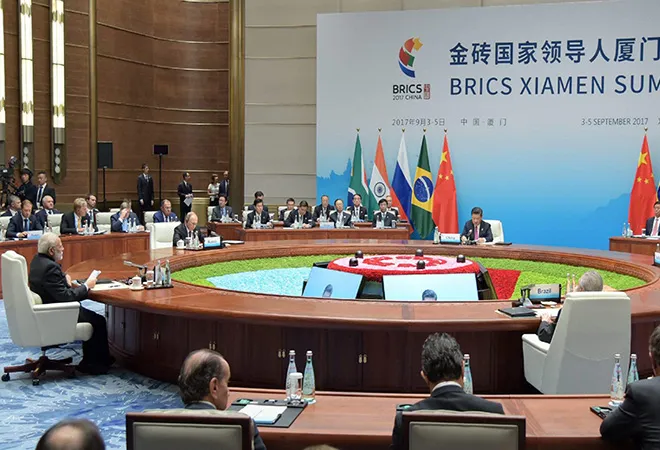
The dichotomy in India-China relations — on the one hand troops engaged in a two-month long stare-down, and on the other agreeing to change various facets of global governance — stems from the principle that the two nations must continue to integrate their economies and ...
The Kurdish battle plan for ISIS was not just dethroning insurgency in northern Iraq, but to solidify their case for an independent Kurdistan. ...
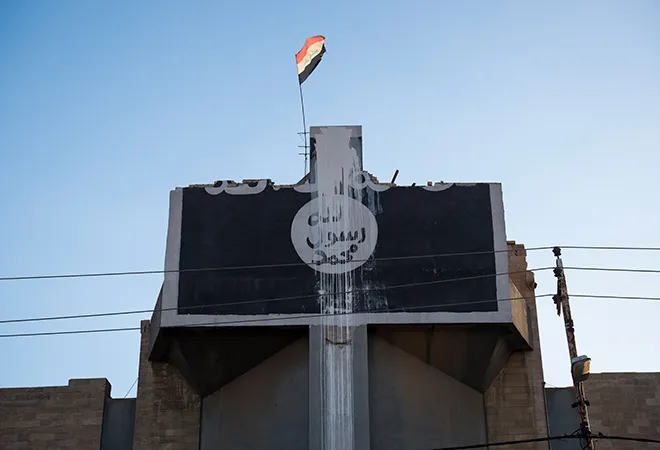
It is bewildering to notice the whimper and not the promised bang ISIS ended with. ...

Ashish Upreti is a serving Indian Army officer with over 25 years of experience in operations, crisis management and strategic communications. He has represented India at international forums and written articles and opinion pieces for national and international publications. In ...
Read More +
Ashish Upreti is a serving Indian Army officer with over 25 years of experience in operations, crisis management and strategic communications. He has represented India at international forums and written articles and opinion pieces for national and international publications. In ...
Read More +