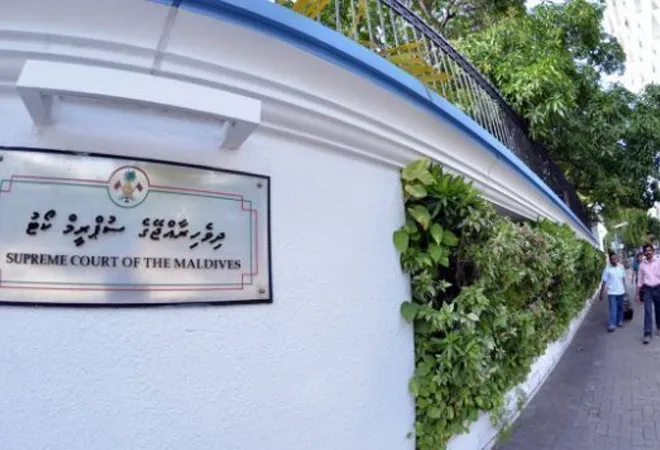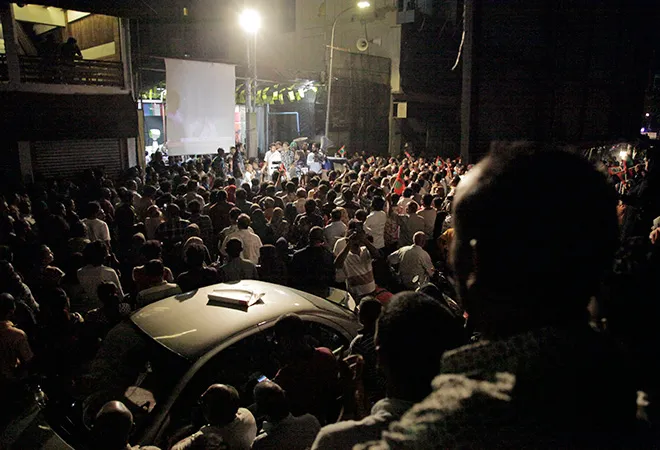
As long as Yameen claims to be working within the four walls of the Constitution, there is nothing much that third nations could do on the ground. ...
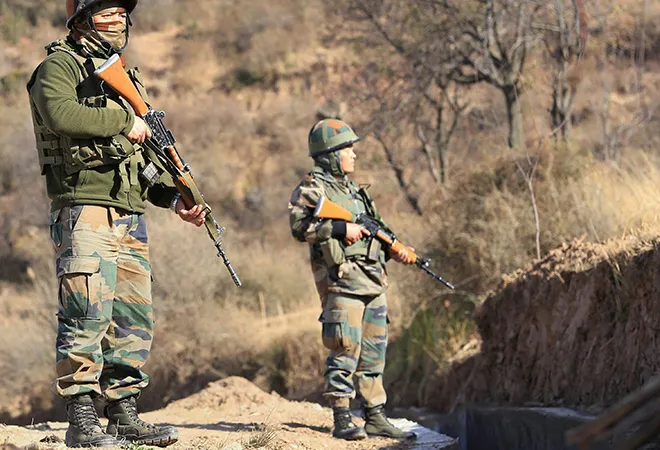
Policymakers in New Delhi face dilemmas from Pakistan, which are two-fold — the real threat Pakistan poses and India’s available responses. ...
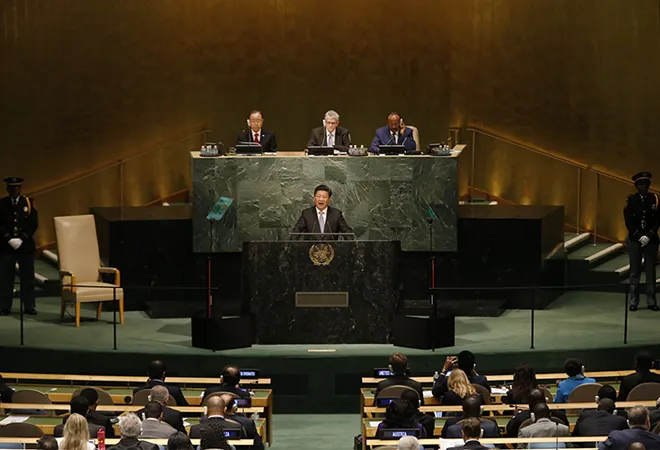
While there is no need to panic, the liberal democracies cannot simply wish away the growing threats emerging from the illiberal behemoth ...
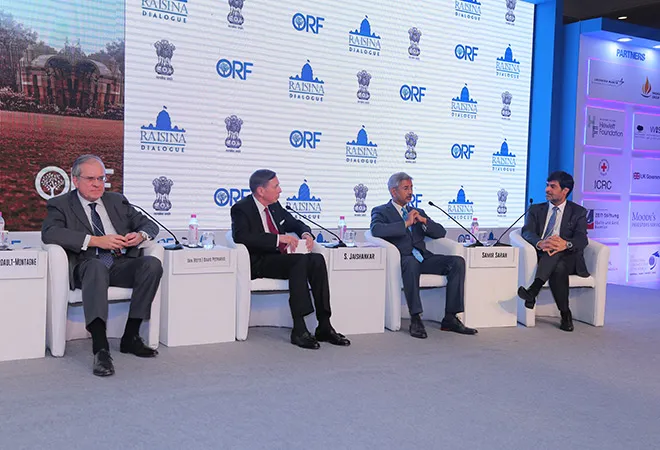
The political and cultural arrangements states and communities arrive at will be heavily implicated by the one major transition Foreign Secretary S. Jaishankar identified: that a rule based order is no longer limited to the developed world. ...
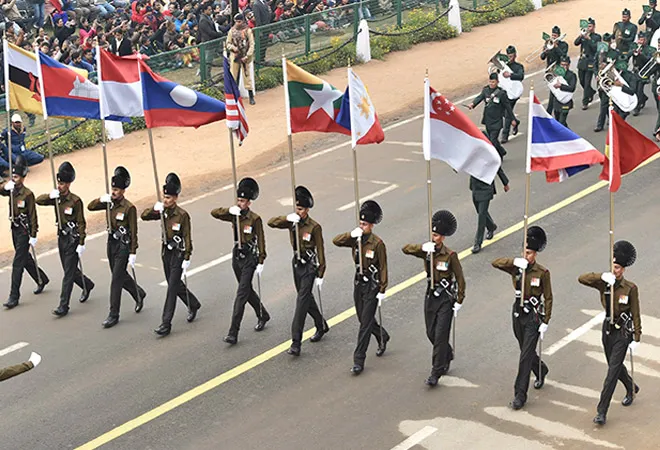
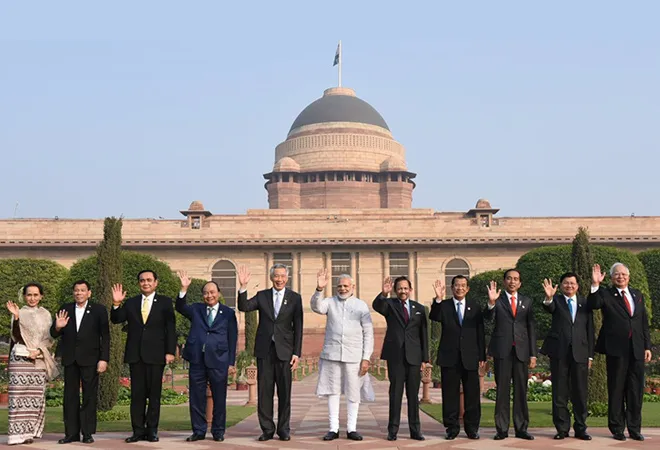
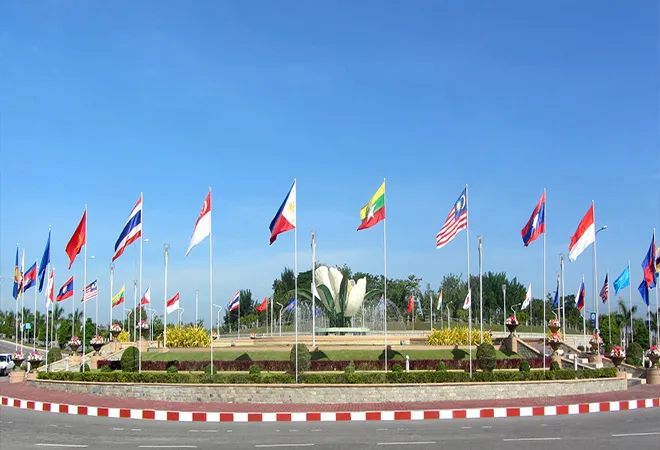
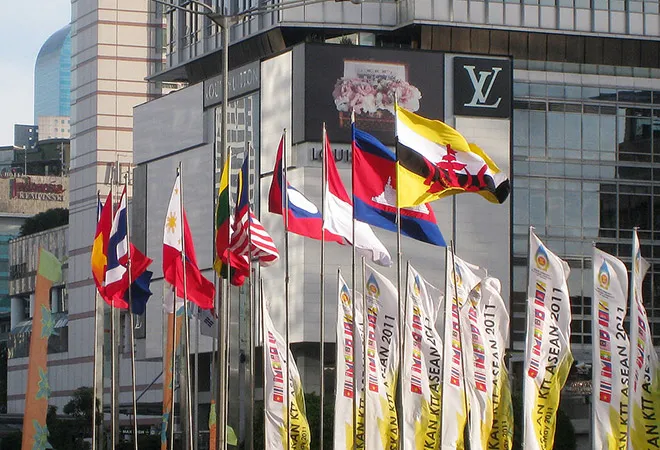
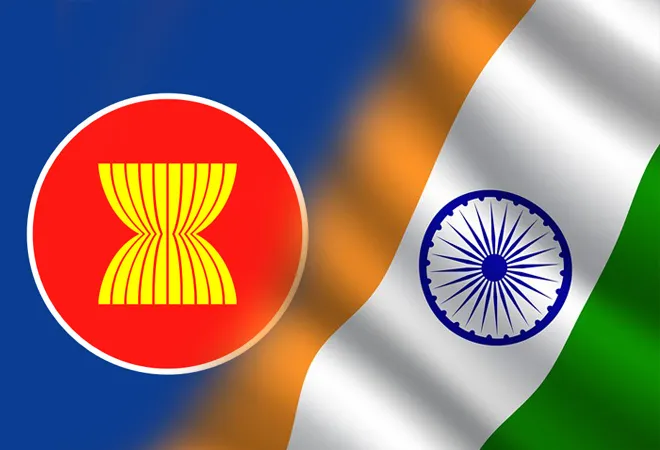
ASEAN states are keen to know if India is willing to take a stronger stand on maritime security in the Asia-Pacific. ...
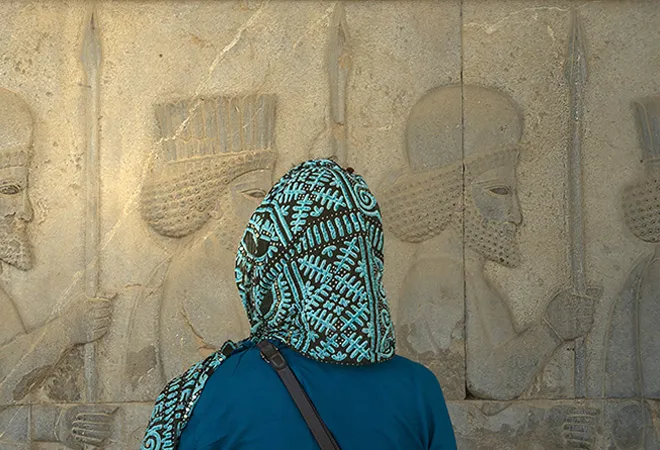
Without real reform, domestic turmoil is likely to continue and will afford opportunities to outside powers to meddle in the internal affairs of Iran. ...
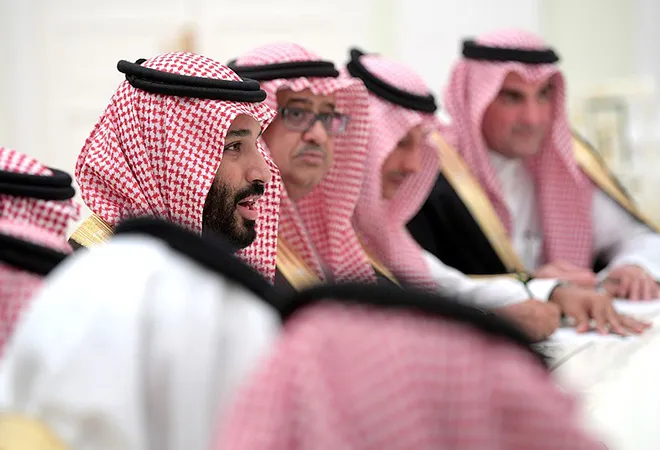
If Rouhani is the middle, it is not wise to celebrate an attack against him. Not until, organically most if not all of Iran and not just Tehran like in 2009, seeks a change in the political order. ...
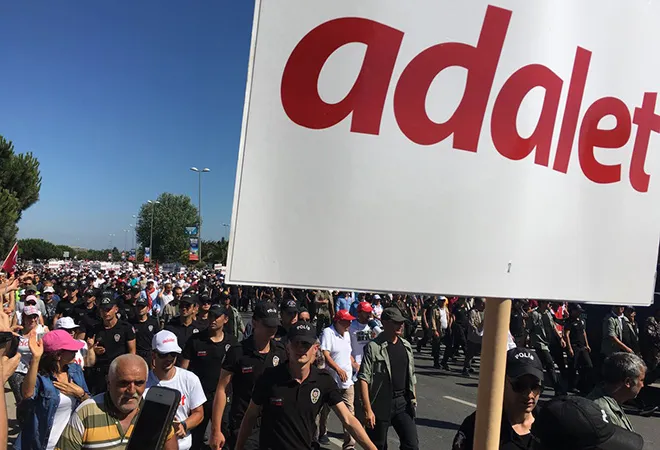
Turkey is split down the middle between the secular followers of Ataturk who oppose Erdogan and his supporters who are mostly the Islamist nationalists. ...
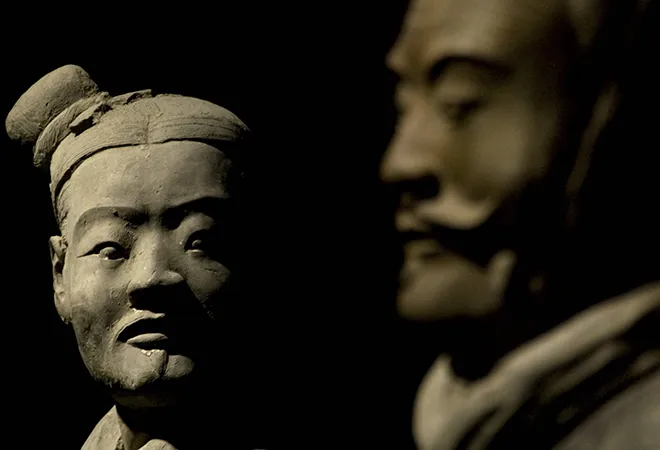
Inordinate focus on the military threat obscures the larger political impact of China’s rise, which will have a bearing on India’s interests and even security. ...
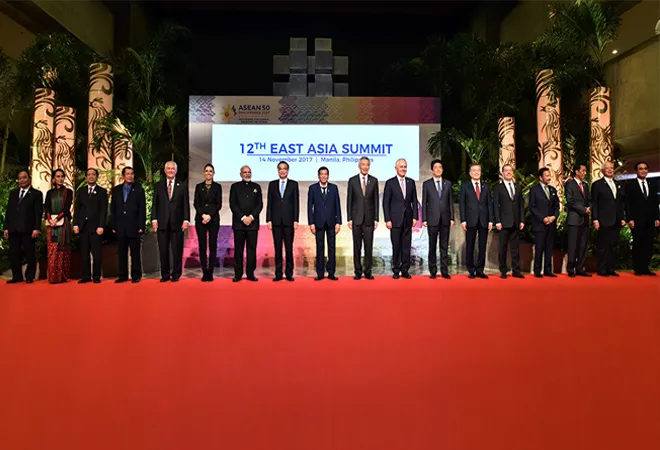
The future course as far as the "quad" format is concerned is somewhat unclear. ...
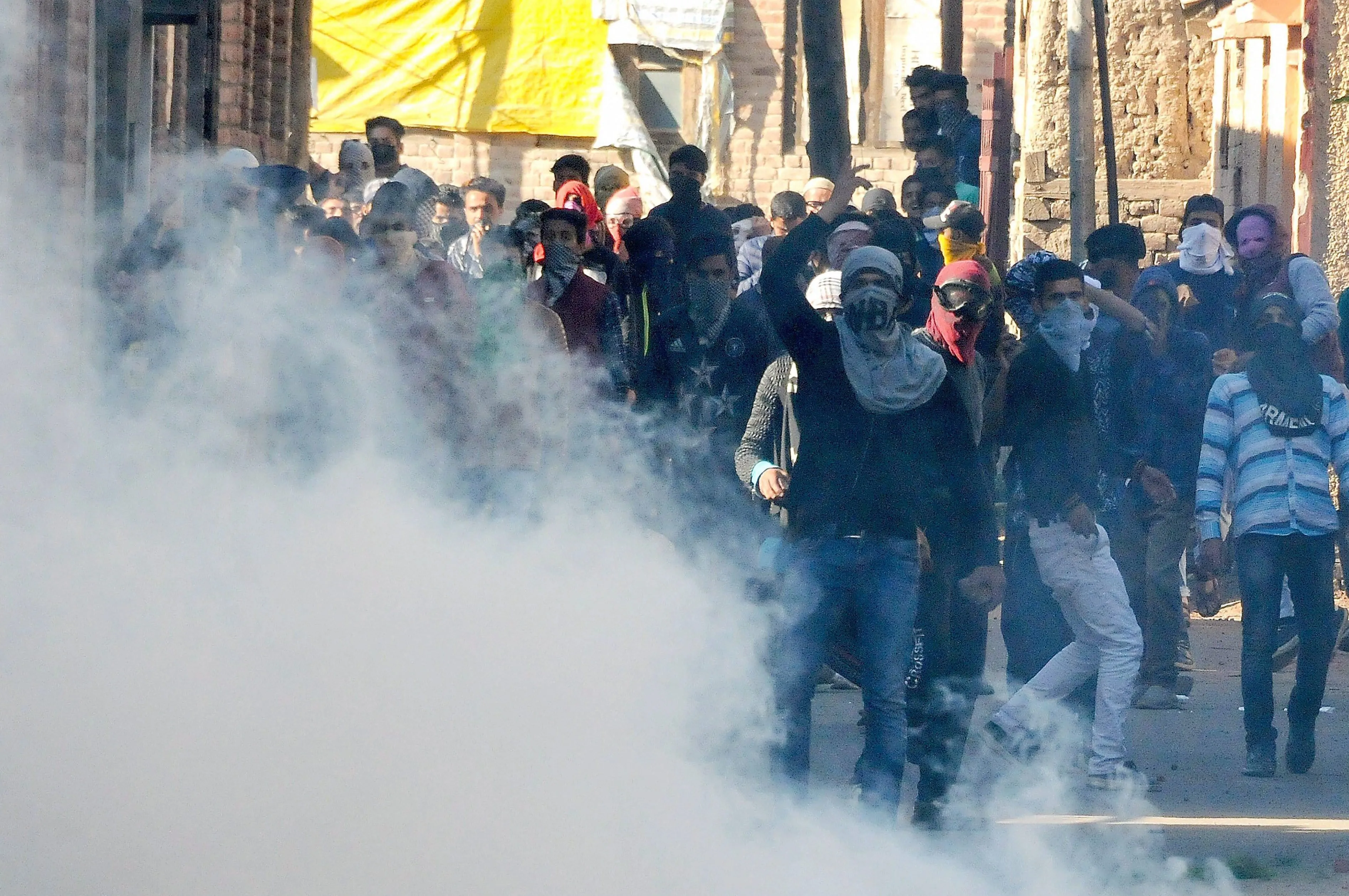
In 2018, Pakistan would move deeper into internal chaos, its relations with its neighbours would only worsen adding to tensions on both its borders. ...
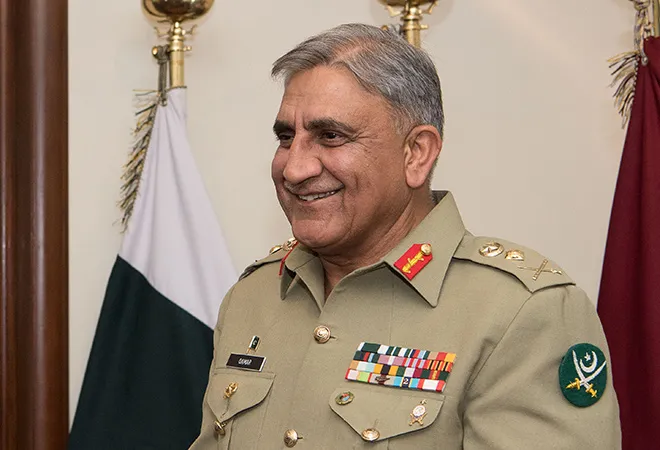
Within Pakistan, it is the army which controls foreign policy towards India, Afghanistan and the US. The polity has no role. Every time the polity has attempted to take a step forward, the deep state employs terrorists to strike within India, pushing talks away. ...
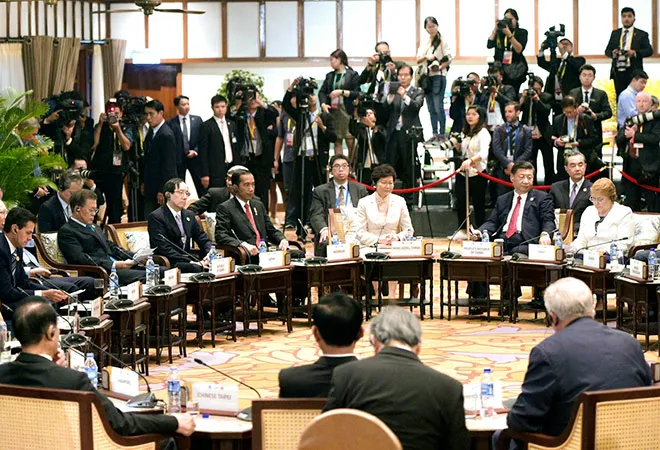
Historical differences can threaten the optimism raised at APEC and East Asian Summit. ...
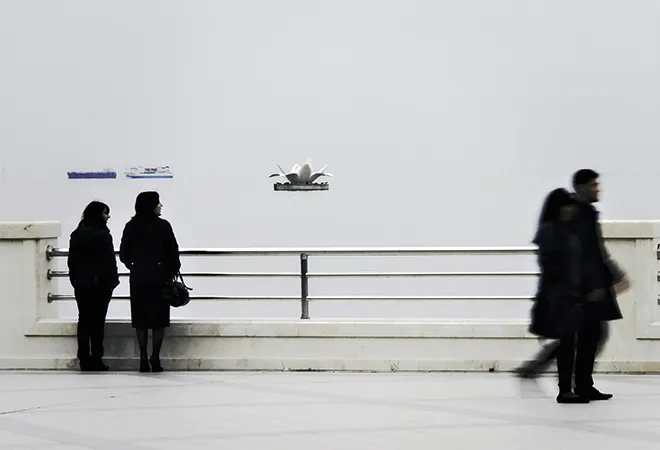
‘Wheat diplomacy’ could just be the start of focus on export from India to Afghanistan. ...
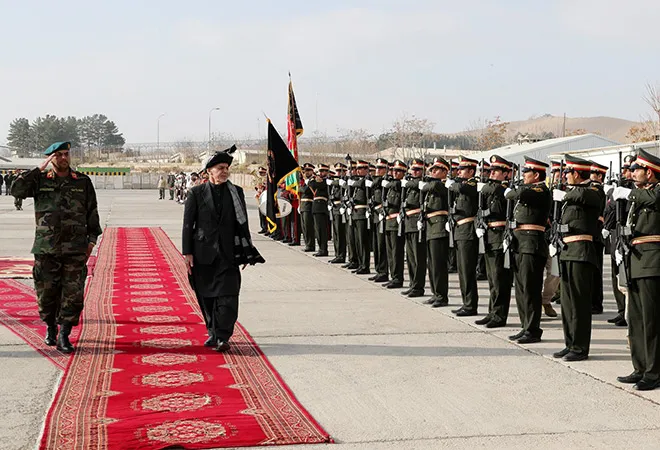
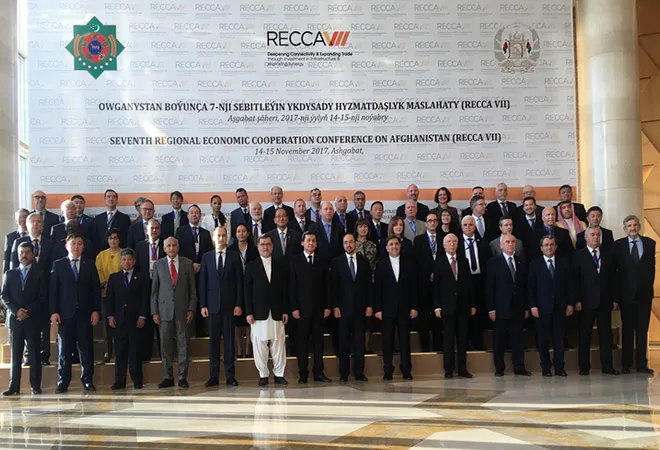
The root cause of insecurity — which hampers Afghanistan’s state-building process and sustainable development — lies outside of the country. The immense potential of South Asia and Central Asia for economic growth has been taken hostage by a known regional state-actor and its proxies. ...

The new extra-regional player in China seems to want to provoke internal anti-India debates in individual South Asian nations. ...
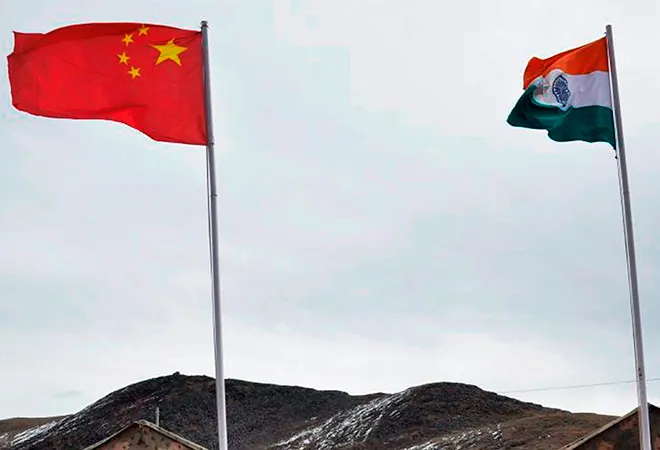
China has done little in reducing the earlier tensions of Doklam, while India has taken no action, other than protecting its national security concerns. Doklam is likely to again become a spoilsport between the two nations. ...
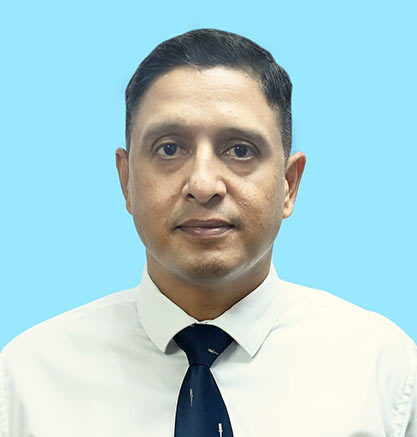
Ashish Upreti is a serving Indian Army officer with over 25 years of experience in operations, crisis management and strategic communications. He has represented India at international forums and written articles and opinion pieces for national and international publications. In ...
Read More +
Ashish Upreti is a serving Indian Army officer with over 25 years of experience in operations, crisis management and strategic communications. He has represented India at international forums and written articles and opinion pieces for national and international publications. In ...
Read More +